Adams Elderberry
Back in Stock Fall 2026
This variety is currently out of stock. We'll be restocking for the Fall 2026 shipping season.
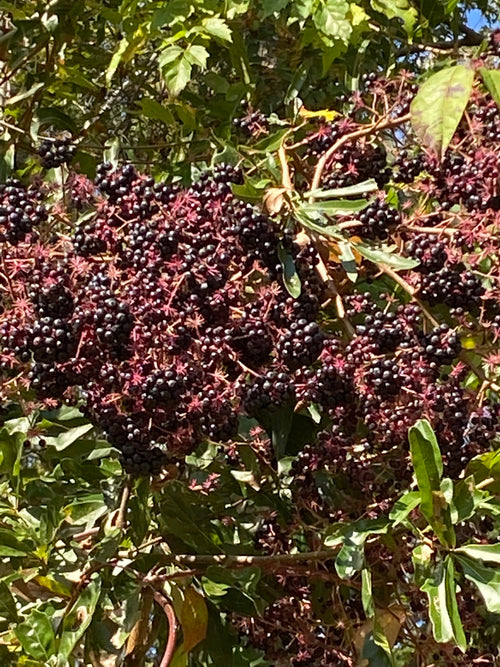
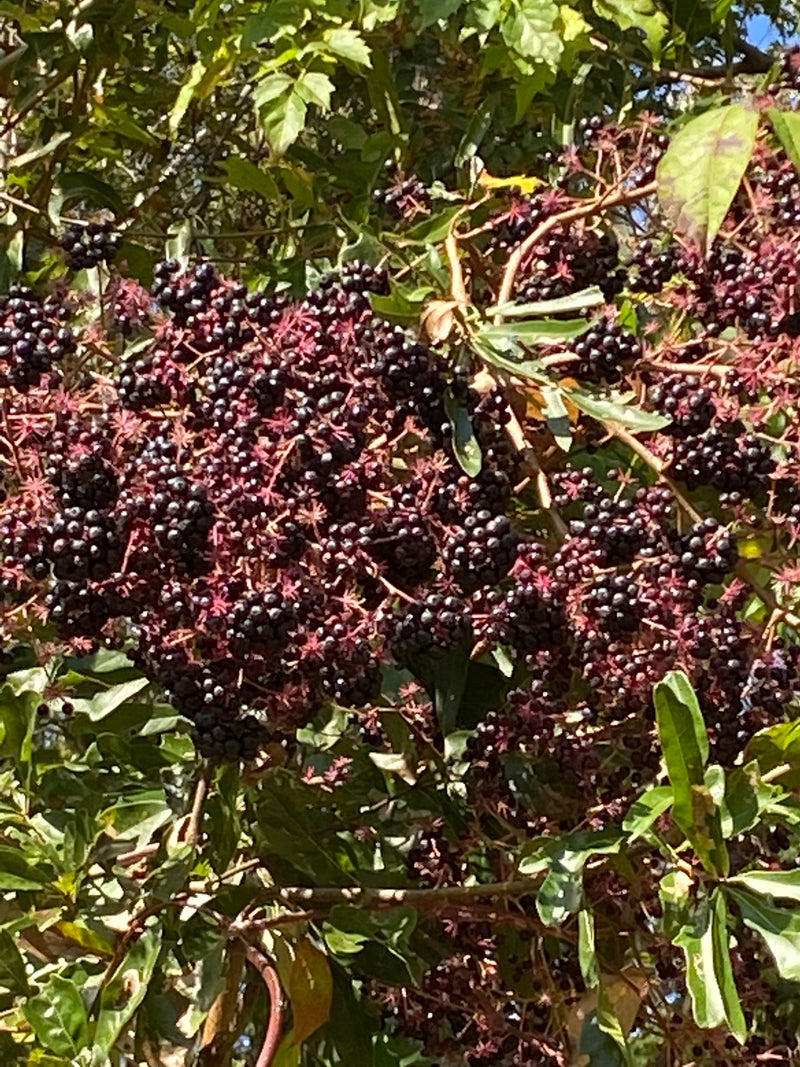
Browse currently available varieties →Adams Elderberry (Sambucus canadensis) is a fast-growing native elderberry grown for large clusters of dark purple-black berries and big, showy flower heads. It’s a popular choice for making syrups, juices, jams, wines, and extracts. This is a vigorous shrub that can fill in quickly once established and produces heavily in the right conditions.
Quick facts
USDA zones: 3-9
Pollination: Not reliably self-fertile, plant 2+ elderberry varieties for best fruit set and bigger yields
Sun: Full sun to partial shade (best fruiting in full sun)
Soil: Moist, fertile, well-drained soil, tolerates heavier soils if not bone-dry
Growth habit: Multi-stem shrub that spreads and thickens over time
Size
Mature height: About 6-10 ft (can be kept shorter with pruning)
Mature width: About 6-10 ft
Spacing: About 6-10 ft between plants, depending on how you plan to prune and maintain them
Flowers and fruit
Flowers: Large, creamy-white flower clusters in late spring to early summer (timing varies by region)
Berry color: Deep purple-black when ripe
Flavor: Tart/astringent raw, excellent when processed
Ripening and harvest
Ripening window: Typically late summer to early fall (depends on region)
How it fruits: Berries form in large clusters, harvest when clusters are fully dark and ripe
Yield: Can be very productive once established, especially with cross-pollination and consistent moisture
Important note about eating
Use ripe berries for processing. Raw berries, leaves, stems, and unripe fruit are not eaten and are typically removed during prep. Cook/process berries before consumption.
Care and growing preferences
Water: Likes consistent moisture, especially during establishment and berry fill. Drought stress reduces yield.
Fertilizer: Benefits from compost or a balanced feeding in early spring, avoid heavy nitrogen late in the season.
Site: Elderberries do well near low spots or areas that stay slightly moist, as long as the roots are not sitting in standing water long-term.
Pruning
When: Late winter to early spring while dormant
How: Remove dead or weak wood, thin crowded canes, and encourage new growth. Many growers keep a mix of 1-3 year old canes for strong production.
Planting tips
Water in thoroughly and keep evenly moist during the first growing season.
Planting a second elderberry variety nearby usually improves pollination and yield.
What you’re getting
Adams Elderberry is a classic, high-yield elderberry variety valued for big clusters of berries and strong growth, ideal for gardeners who want a productive shrub for syrups, preserves, and other elderberry recipes.
Plant Details
Quick Facts
- Botanical
- Sambucus canadensis
- Type
- Native shrub
- Fruit Color
- Dark purple-black
- Fruit Taste
- Tart (cook before eating)
- Thorns
- Thornless
Growing Conditions
- USDA Zones
- 3-9
- Sun Needs
- Full sun to part shade
- Soil pH
- 5.5-6.5
- Spacing
- 6-8 ft
- Mature Height
- 8-12 ft
Pollination & Care
- Self-Fertile
- Yes (better w/2)
- Pollination
- Pair with another S. canadensis variety (e.g., Johns, Bob Gordon) for best yields.
- Difficulty
- Easy
- Data Confidence
- High
Harvest
- Season
- August - September
Growing Zones: 3–9
Hardy down to zone 3 (-40 to -30°F)

Match the shaded zones above to find your growing region. Source: USDA 2023 Plant Hardiness Zone Map.
How we ship
Most orders go out via UPS with a 2-3 day transit time to most of the continental U.S. Plants are shipped dormant in late winter / early spring, packed wet to protect the root systems, and bundled by variety so they're ready to plant on arrival.
Hawaii & Alaska orders
For HI and AK addresses we ship via USPS. The other major carriers either don't service these areas for live plants or charge prohibitive rates that would more than double the cost of your order. USPS gives us a reliable, affordable path to get plants to you in good condition.
Want UPS or FedEx anyway?
If you're in HI or AK and want to use UPS or FedEx and cover the upgraded shipping cost, reach out to us immediately after placing your order with your order number. We'll send you the available options and a quote, and you can pick what works for you.
Region overview
Continental U.S.
UPS Ground, 2-3 day transit. Free shipping on orders $100+.
Hawaii & Alaska
USPS Priority Mail. Reach out post-order if you want a UPS/FedEx upgrade quote.
Arrive-alive guarantee
Every order is backed by our 30-day arrive-alive guarantee. If a plant doesn't make it through transit, we'll replace it. Just send us a photo within 30 days of delivery.
Questions?
Call or text us at (720) 630-3715, or email support@fruitbushes.com. We answer within one business day.