Stevens Cranberry
Available now: 1 plant in a half gallon pot, $11 each.
Stevens Cranberry (Vaccinium macrocarpon) is an American cranberry cultivar valued for its heavy yields, deep red color, and strong resistance to fruit rot. The low-growing, trailing vines form a dense evergreen mat, producing tart, firm berries ideal for sauces, baking, juicing, and holiday dishes. Stevens is one of the most widely planted commercial cranberry varieties, but it also performs well in home gardens where soil is consistently moist and acidic.
USDA Hardiness Zones: Typically about 3 - 7 or 3-8 depending on sources.
Mature height: Around 6 to 12 inches tall on upright shoots
Spread: Runners can spread several feet over time, forming a dense mat
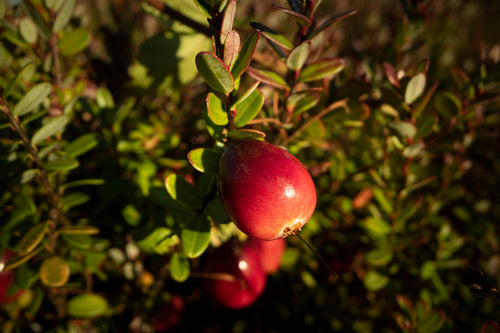
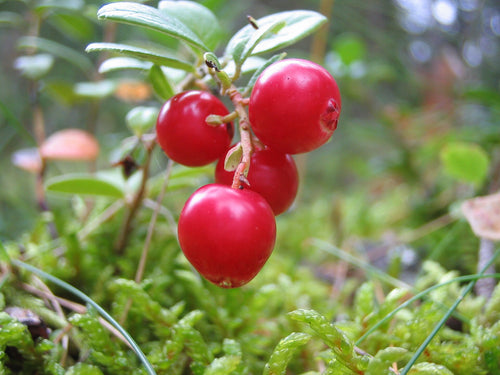
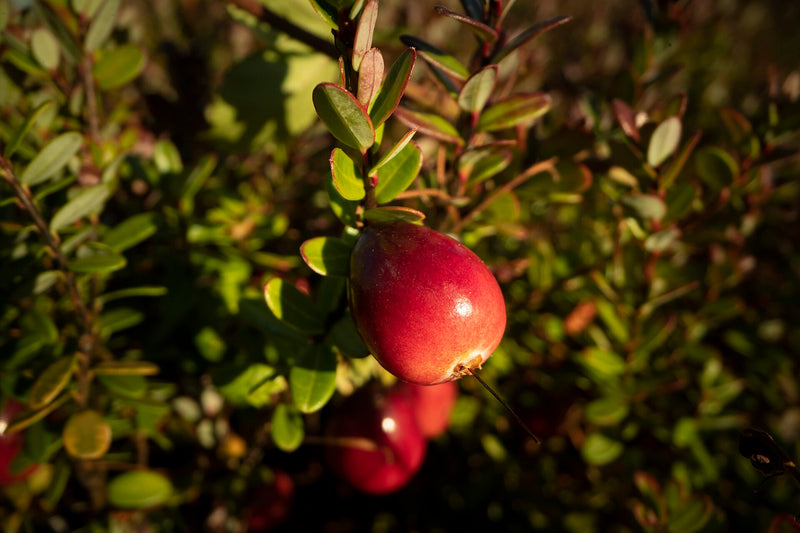
Fruit: Medium to large, dark red berries, firm and tart, great for cooking and preserving
Growing requirements
Light: Full sun for best growth and heaviest berry production
Soil: Prefers acidic soil with high organic matter; loose, sandy or peaty soil is ideal
Soil pH: Naturally thrives in acidic conditions (roughly in the 4 to low 5 range)
Moisture: Needs consistently moist soil, not bone dry; does not have to grow in standing water, but appreciates even moisture
Spacing: Plant 18 to 24 inches apart so the runners have room to fill in
Mulch: A layer of sand or peat moss helps keep roots cool, holds moisture, and supports runner growth
Pollination: Self fertile, so a single plant can set fruit, although multiple plants will give a fuller crop
Care and use in the garden
Great for creating a low, edible groundcover in acidic beds
Works well around blueberries or other acid loving plants
Best in areas that do not dry out completely in summer
Light pruning or trimming of runners can keep the patch tidy and within bounds
Plant Details
Quick Facts
- Botanical
- Vaccinium macrocarpon
- Type
- Native cranberry
- Fruit Color
- Deep red
- Fruit Taste
- Tart, sour
- Thorns
- Thornless
Growing Conditions
- USDA Zones
- 2-7
- Sun Needs
- Full sun
- Soil pH
- 4.0-5.5
- Spacing
- 18-24 in
- Mature Height
- 6-12 in
Pollination & Care
- Self-Fertile
- Yes
- Pollination
- Cranberries are self-fertile.
- Difficulty
- Difficult
- Data Confidence
- High
Harvest
- Season
- September - October
Growing Zones: 2–7
Hardy down to zone 2 (-50 to -40°F)

Match the shaded zones above to find your growing region. Source: USDA 2023 Plant Hardiness Zone Map.
How we ship
Most orders go out via UPS with a 2-3 day transit time to most of the continental U.S. Plants are shipped dormant in late winter / early spring, packed wet to protect the root systems, and bundled by variety so they're ready to plant on arrival.
Hawaii & Alaska orders
For HI and AK addresses we ship via USPS. The other major carriers either don't service these areas for live plants or charge prohibitive rates that would more than double the cost of your order. USPS gives us a reliable, affordable path to get plants to you in good condition.
Want UPS or FedEx anyway?
If you're in HI or AK and want to use UPS or FedEx and cover the upgraded shipping cost, reach out to us immediately after placing your order with your order number. We'll send you the available options and a quote, and you can pick what works for you.
Region overview
Continental U.S.
UPS Ground, 2-3 day transit. Free shipping on orders $100+.
Hawaii & Alaska
USPS Priority Mail. Reach out post-order if you want a UPS/FedEx upgrade quote.
Arrive-alive guarantee
Every order is backed by our 30-day arrive-alive guarantee. If a plant doesn't make it through transit, we'll replace it. Just send us a photo within 30 days of delivery.
Questions?
Call or text us at (720) 630-3715, or email support@fruitbushes.com. We answer within one business day.