
Description
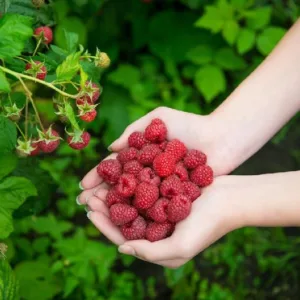
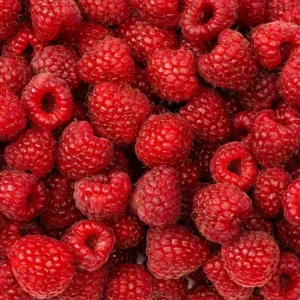
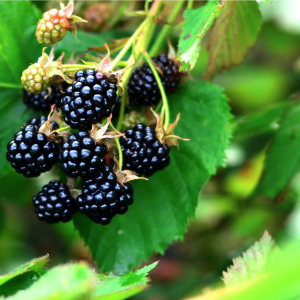
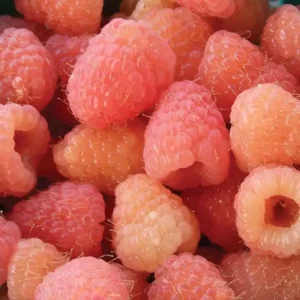
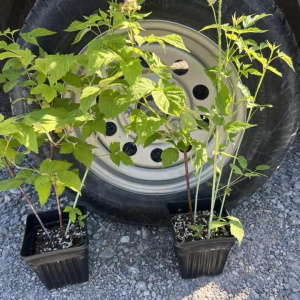
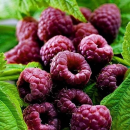
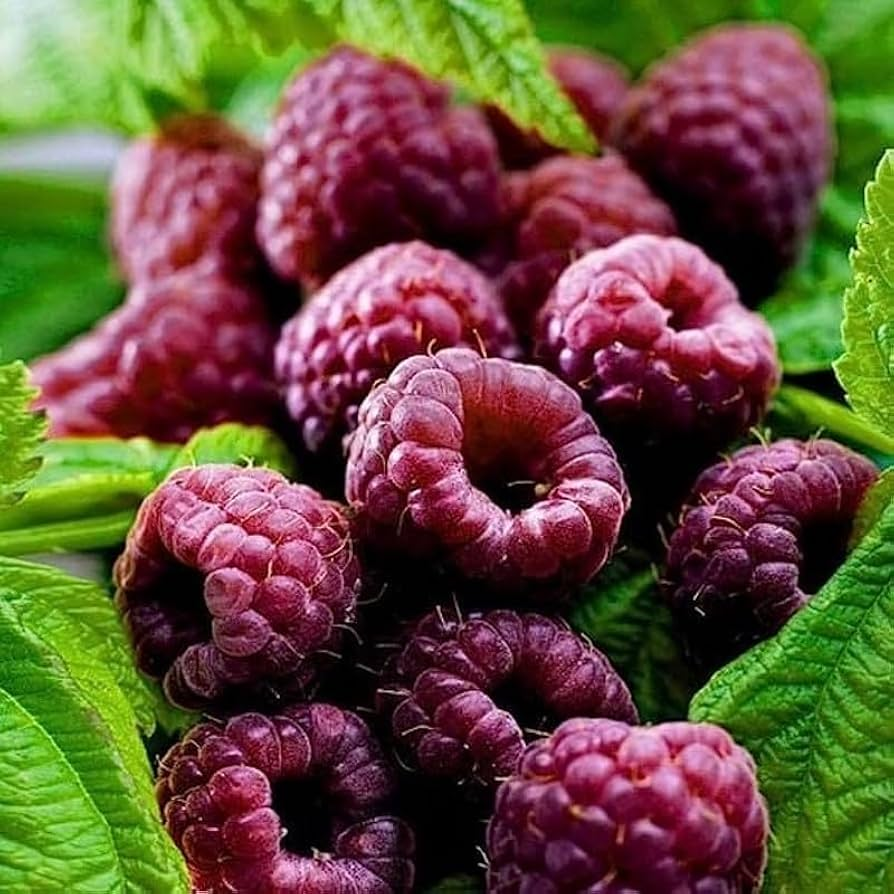
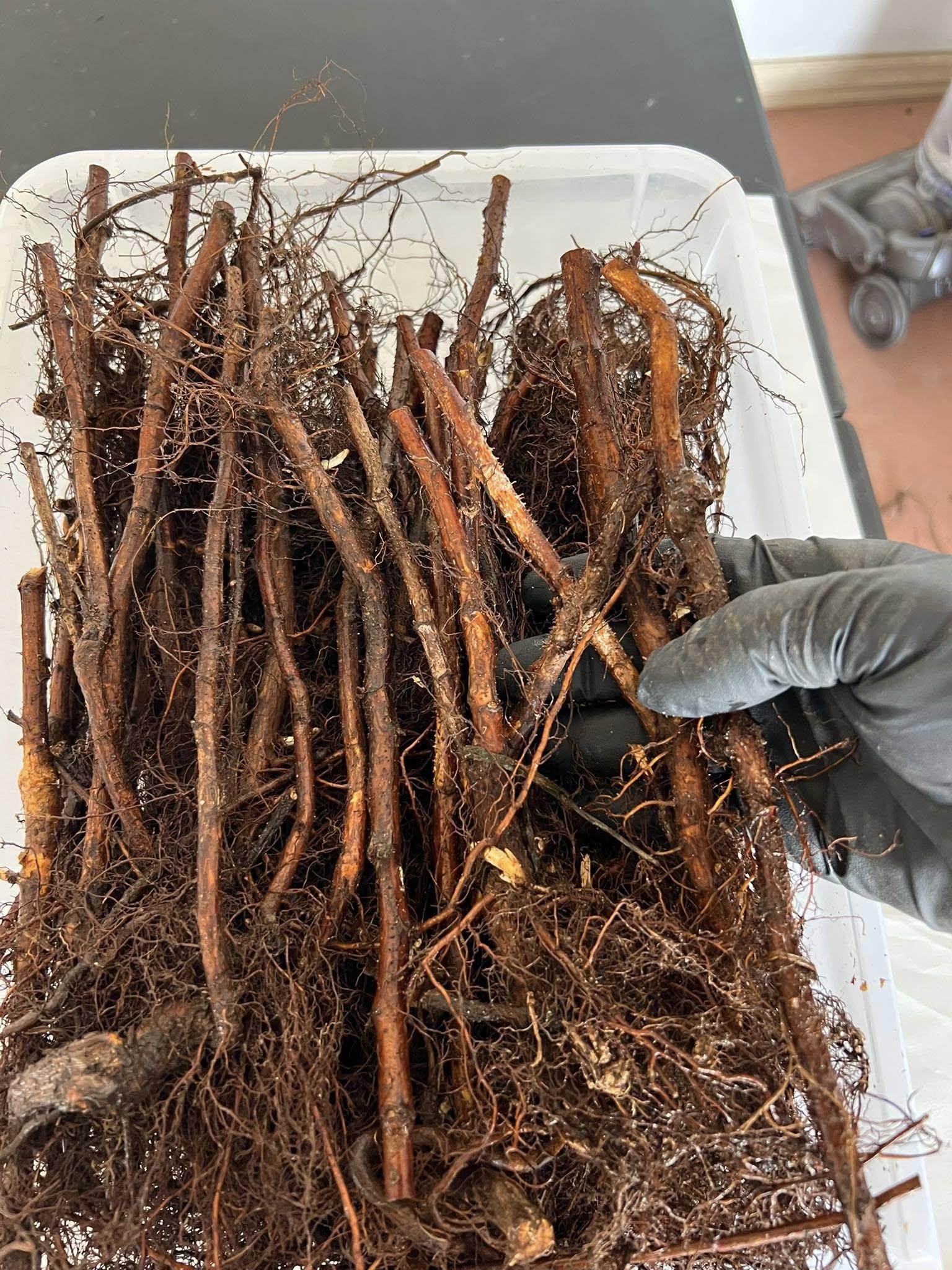
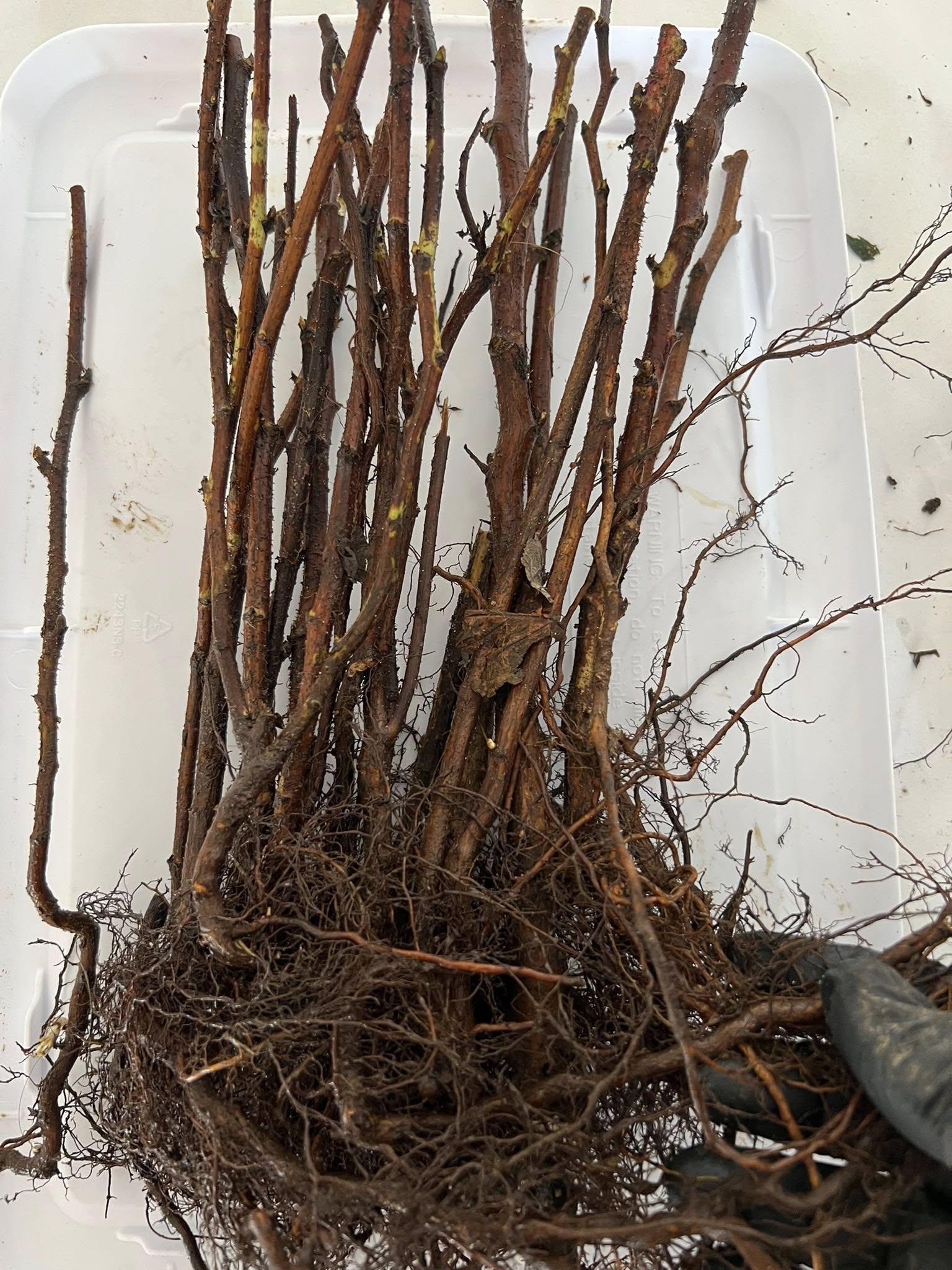
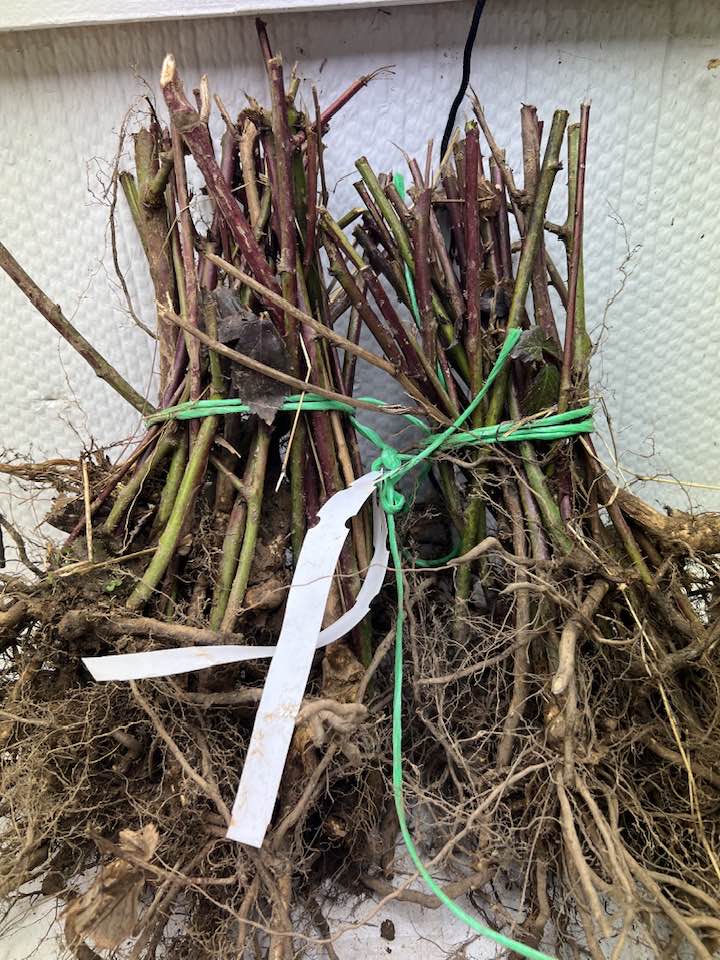
Royalty raspberry (Rubus idaeus ‘Royalty’) is a vigorous purple raspberry known for very large berries and a rich, sweet flavor with low acidity. It’s a cross between red and black raspberries, so the fruit ripens through red to a deep wine-purple when fully mature. Plants are self-fertile and productive, making them a solid choice for fresh eating, jam, and freezing.
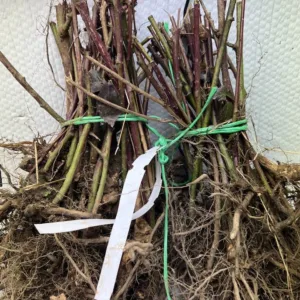
Growth habit and size: Expect upright, thorny canes that typically reach 4–6 feet tall with a spread of about 3–4 feet. Canes are vigorous and benefit from a simple trellis or wire support to keep fruit clean and accessible. Space plants 2–3 feet apart in rows set 6–8 feet apart. Like other raspberries, Royalty grows on a two-year cycle: first-year canes (primocanes) grow vegetatively, then fruit the following year as floricanes before dying.
USDA hardiness and climate: Royalty performs best in USDA Zones 4–8. It’s quite cold-hardy in northern climates, though heavy winter winds can desiccate exposed canes. In warmer areas near the upper end of its range, afternoon shade and consistent moisture help the plants handle heat. Ideal conditions include full sun (at least 6–8 hours daily), fertile, well-drained soil with a slightly acidic pH (about 5.5–6.5), and regular watering that provides roughly 1–2 inches per week during the growing season.
Fruiting behavior and season: This is primarily a summer-bearing (floricane-fruiting) cultivar. The main crop comes on second-year canes in mid to late summer, often July into early August depending on climate. Berries are notably large, firm when first colored, and sweetest when allowed to deepen to full purple on the cane. In long, mild seasons, some gardeners see a very light late flush, but plan on the summer crop as the main harvest window.
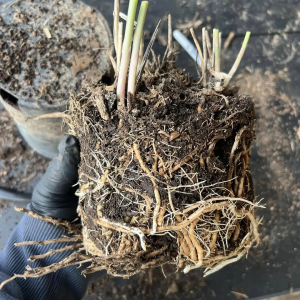
Care and pruning: After harvest, remove spent floricanes at ground level to open the row and reduce disease pressure. Thin the new primocanes to a sturdy stand of about 5–7 canes per linear foot, and tie them to wires for good air movement. Mulch with clean organic material to suppress weeds and retain moisture, and avoid waterlogged spots to prevent root problems. Royalty has good vigor and generally solid disease tolerance when given sun, airflow, and rotation away from previous bramble sites.
Pollination and yield: Royalty is self-pollinating, though bee activity improves berry size and uniformity. Under good management it’s a heavy bearer, delivering several weeks of harvests of large, sweet purple fruit that hold up well for fresh bowls, desserts, preserves, and freezing.