
Description
Nova Raspberry is a cold-hardy red raspberry variety known for dependable yields, good disease resistance, and fruit that holds up well for fresh eating and home use. It’s a solid pick if you want a straightforward raspberry plant that performs reliably across a wide range of climates without needing a complicated setup.
Nova grows best in full sun, but it can still produce in light partial shade. More sun usually means stronger cane growth and better berry sweetness. Like most raspberries, it prefers well-drained soil with steady moisture. You do not want constantly soggy ground, but you also do not want the soil drying out for long stretches during flowering and fruit fill. Compost mixed into the planting area helps with both drainage and moisture retention, and a mulch layer helps keep weeds down and keeps the root zone more consistent.
This variety is commonly grown in USDA Zones 3 through 8, making it a strong option for colder regions where some raspberries struggle. Plants grow as upright to slightly arching canes and benefit from a simple trellis or support wires to keep rows neat and make picking easier. Nova is typically a summer-bearing raspberry, which means it produces its main crop on second-year canes. You will get new canes one year, then fruit the following summer, and those fruiting canes should be removed after harvest so the new canes can take over.
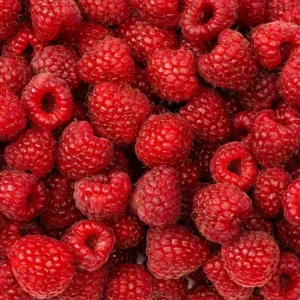
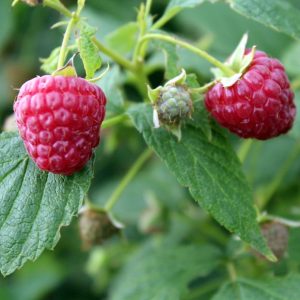
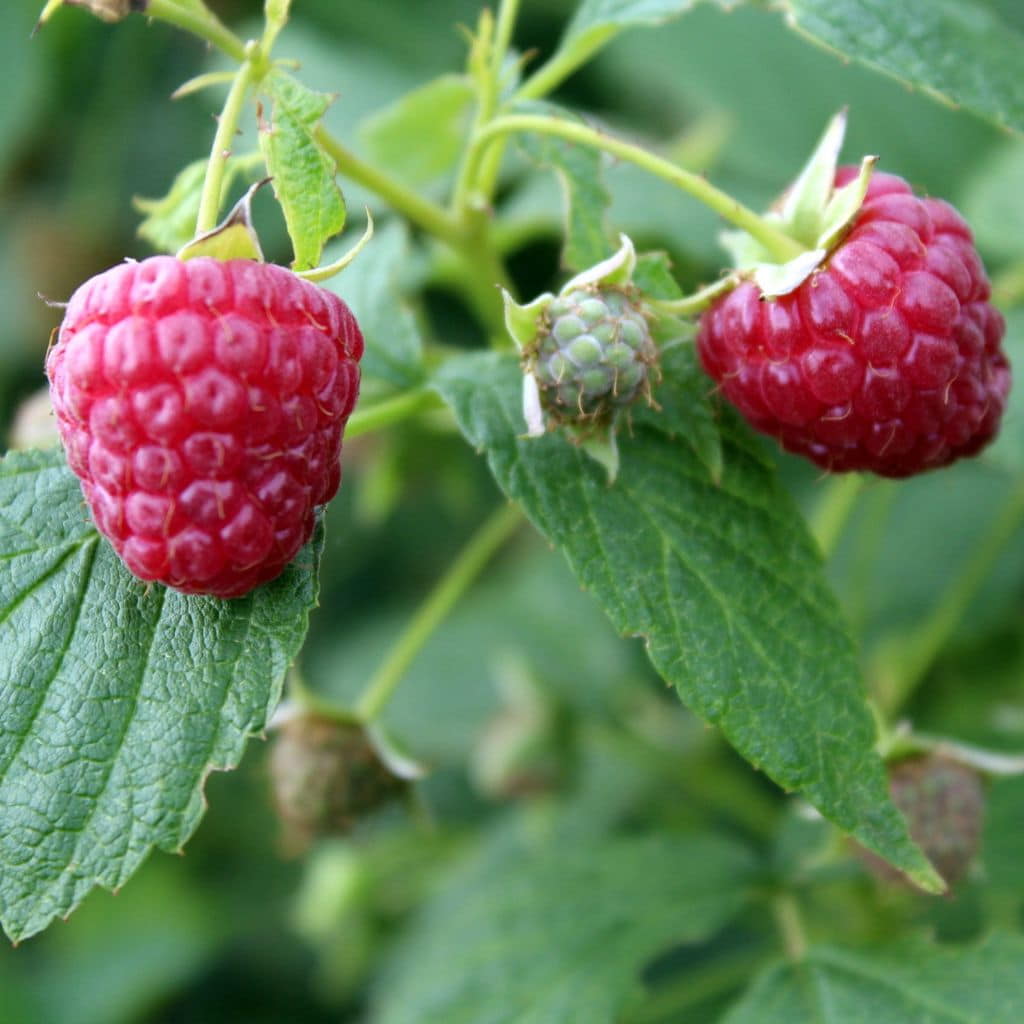
The berries are classic red raspberries, medium to large, with a balanced sweet-tart flavor. They’re great for snacking, mixing into yogurt and oatmeal, baking, freezing, and making jam. When fully ripe they pick easily and have that familiar raspberry aroma and bright flavor people expect.
If you are planting a patch, spacing and airflow matter. Give canes room, avoid crowding, and prune to keep the row from turning into a dense thicket. That reduces disease pressure and makes harvest much easier. With basic annual pruning and consistent watering, Nova can be a very steady producer year after year.
Quick Nova Raspberry facts
-
USDA zones: 3–8
-
Sun needs: Full sun preferred, partial shade tolerated
-
Soil: Well-drained soil with consistent moisture
-
Fruiting habit: Summer-bearing, fruits mainly on second-year canes
-
Flavor: Classic red raspberry, balanced sweet-tart
-
Growth habit: Upright to slightly arching canes, benefits from trellis support
-
Common uses: Fresh eating, freezing, baking, jam, and preserves