
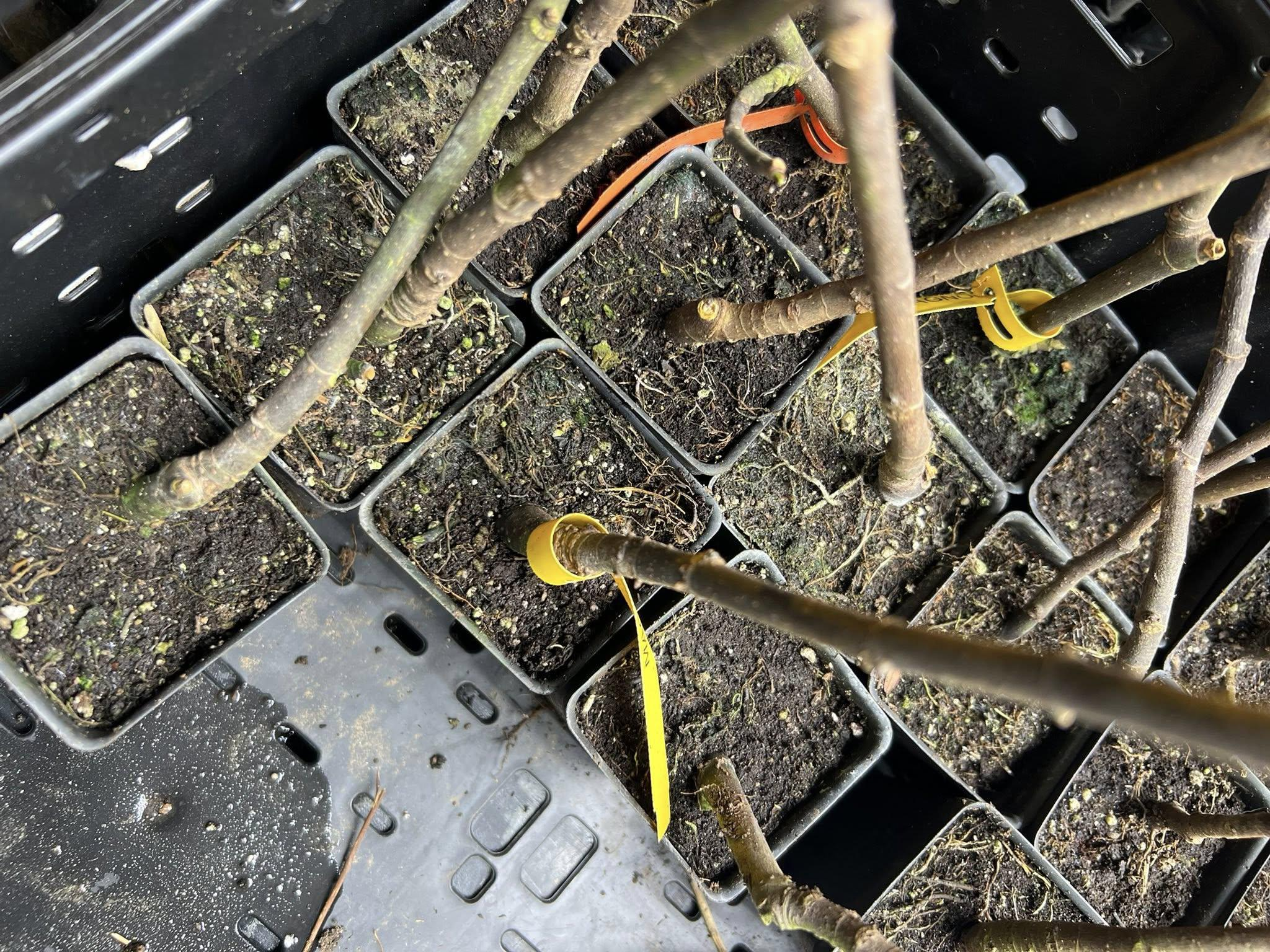
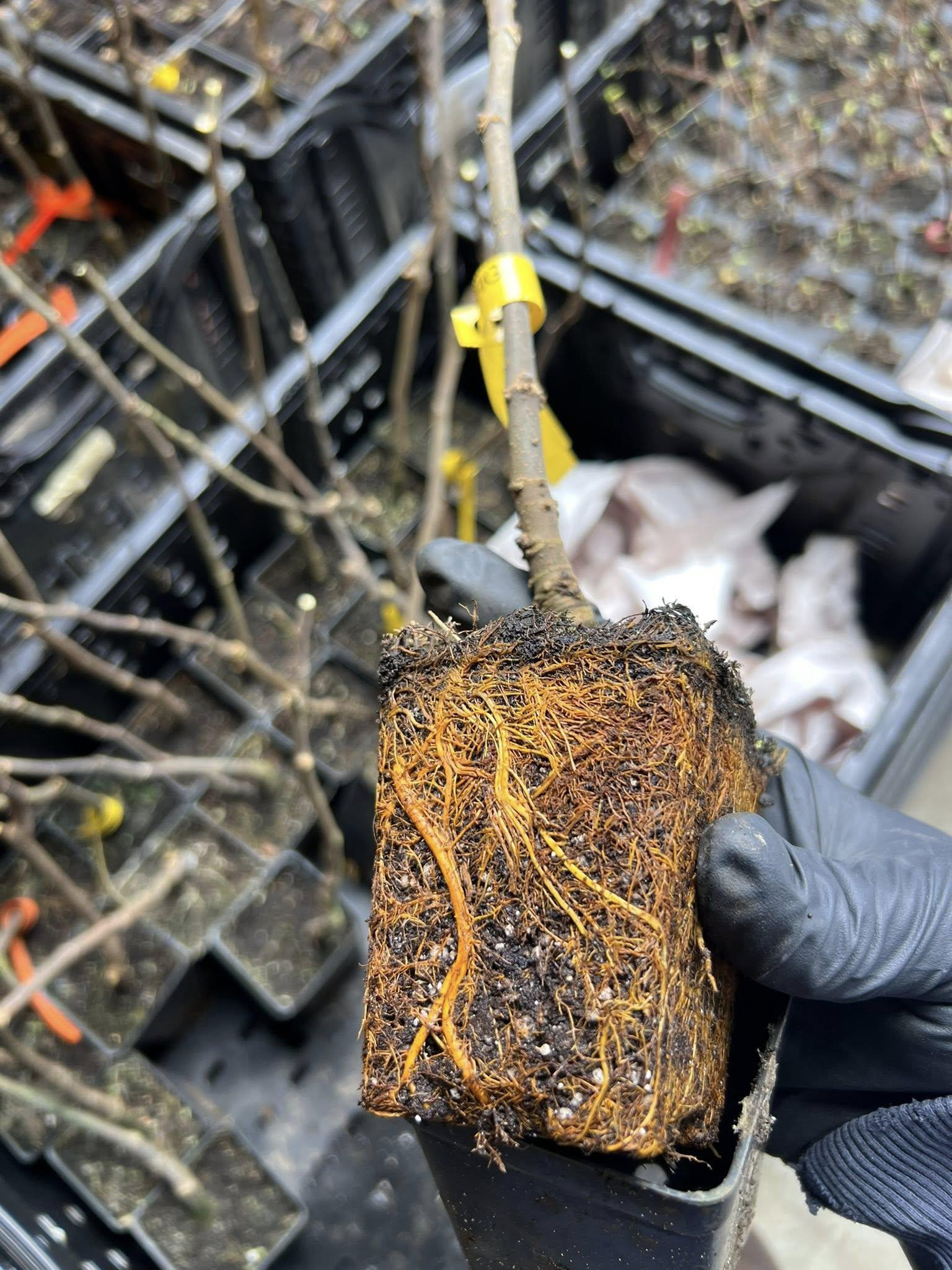

Description
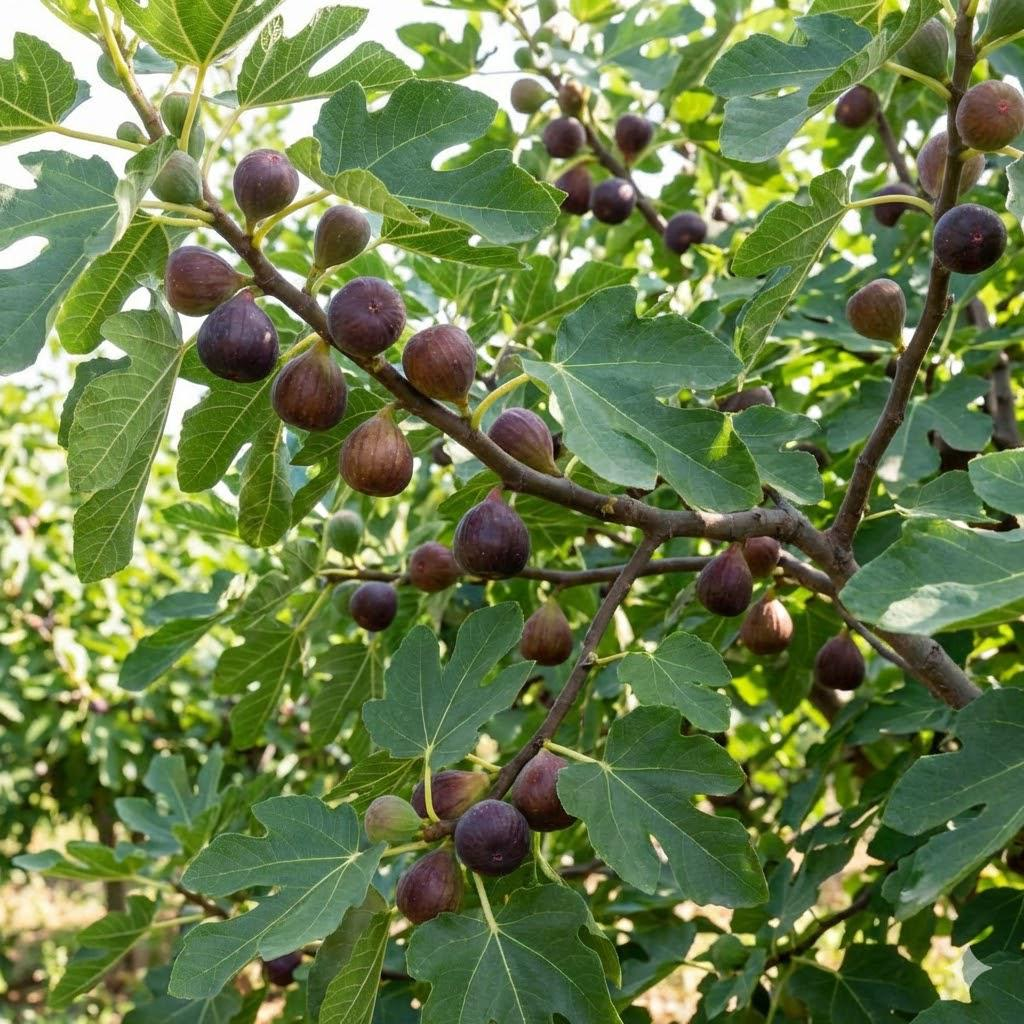
The magnolia fig (Ficus auriculata), also known as the elephant ear fig or Roxburgh fig, is a striking tropical fig tree admired for its enormous, rounded leaves that can reach over a foot across. Native to Southeast Asia and the Himalayan foothills, it has a bold, architectural presence that makes it as ornamental as it is productive. The leaves are soft, slightly fuzzy, and heart-shaped, giving the tree a lush, almost prehistoric appearance when grown in warm climates.
Beyond its dramatic foliage, the magnolia fig is also valued for its unique fruiting habit. Instead of producing figs along branches, it bears large, reddish-brown figs directly from the trunk and main limbs—a phenomenon known as cauliflory. The fruits are edible when ripe, mildly sweet, and commonly used fresh or cooked in parts of Asia. Fast-growing and adaptable, the magnolia fig can be grown as a small to medium tree and responds well to pruning, making it suitable for both gardens and large containers in frost-free regions.
Key Facts at a Glance
- Botanical name: Ficus auriculata
- Common names: Magnolia fig, elephant ear fig, Roxburgh fig
- USDA hardiness zones: 9–11 (can be container-grown elsewhere)
- Mature size: 15–30 ft tall (smaller with pruning)
- Growth habit: Fast-growing, spreading, tropical tree
- Fruiting habit: Cauliflorous (fruit grows on trunk and main branches)
- Fruit: Large, round figs; edible when ripe
- Sun requirements: Full sun to partial shade
- Water needs: Moderate; prefers consistent moisture
- Cold tolerance: Sensitive to frost