

Planting Instructions
1. Choose the Right Spot
-
Sun: Full sun is best (6+ hours daily). They will tolerate light shade, but fruiting is heavier in full sun.
-
Soil: Moist, well-drained soil is ideal. Elderberries handle heavier, slightly wet soils better than many fruit plants, but avoid spots with standing water for long periods.
-
pH: Slightly acidic to neutral (around 5.5–7.0).
If your soil is very sandy, add compost to help it hold moisture. If it is heavy clay, mix in compost to improve structure and drainage.
2. Prepare the Planting Area
-
Remove weeds and grass in a circle at least 3 feet wide where each shrub will go.
-
Work 2–4 inches of compost or well-rotted manure into the top 8–12 inches of soil.
-
Rake the surface smooth.
3. Spacing
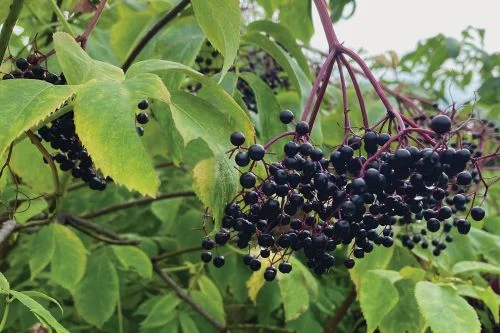
John’s elderberry is a large shrub.
-
Space plants 6–10 feet apart in the row.
-
If planting multiple rows, keep rows 8–10 feet apart.
For better pollination and heavier crops, plant at least two elderberry varieties within about 50 feet of each other (John’s plus another variety, or multiple John’s if that is what you have).
4. Planting Bare-Root Elderberries
-
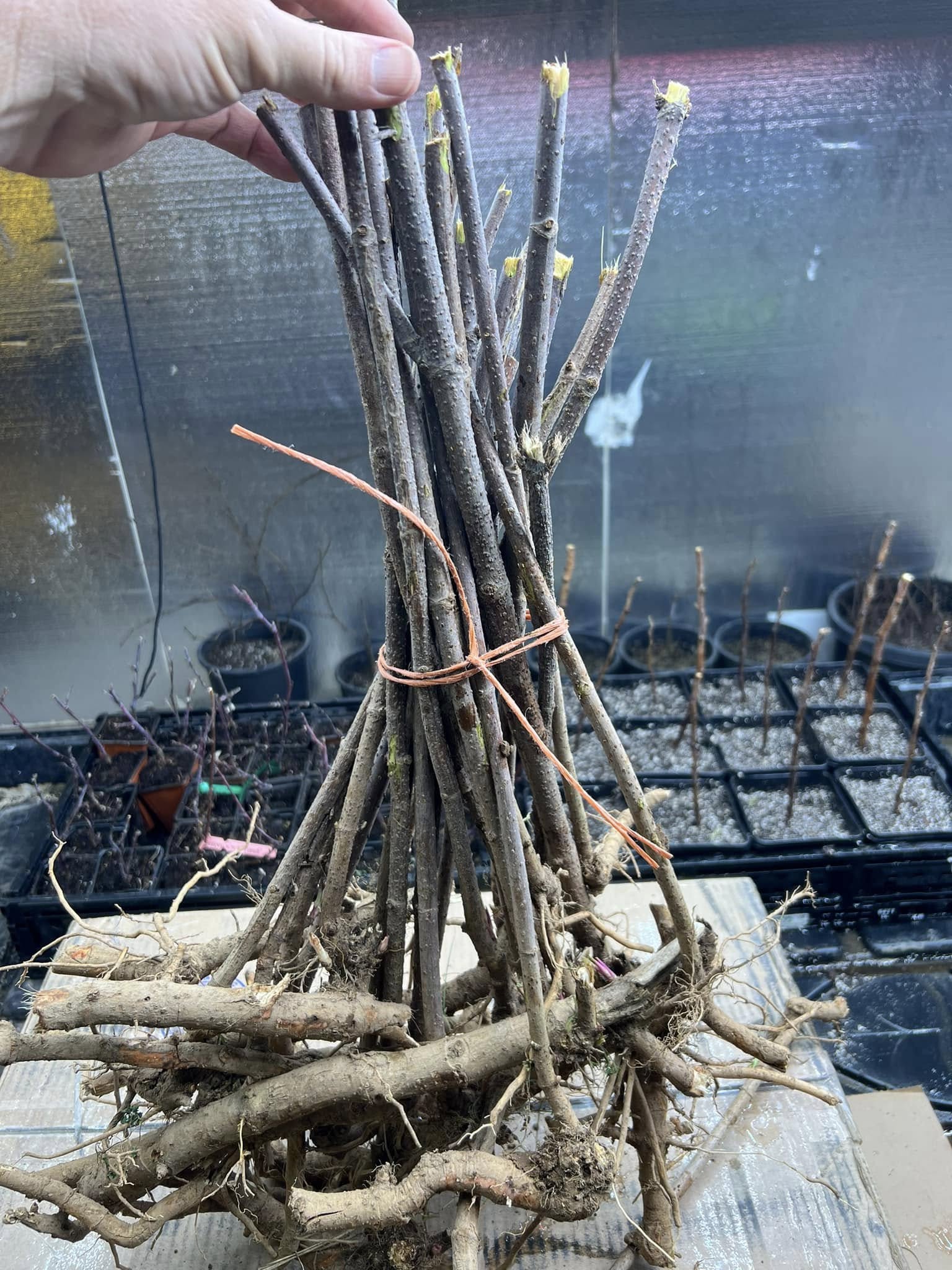
Hydrate the roots:
-
Soak bare-root plants in a bucket of water for 30–60 minutes before planting.
-
-
Dig the hole:
-
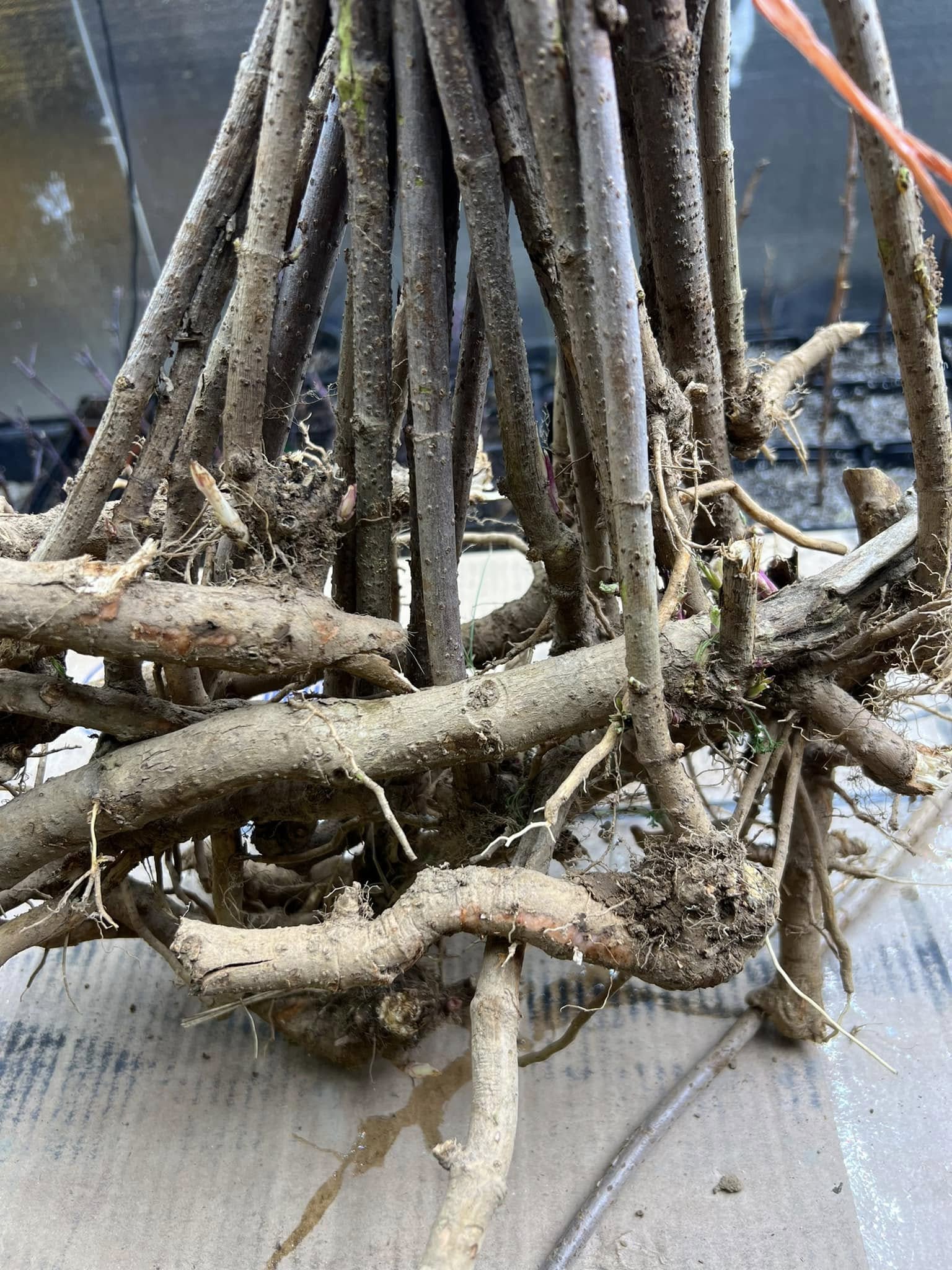
Dig a hole large enough so the roots can spread out naturally, not cramped or bent.
-
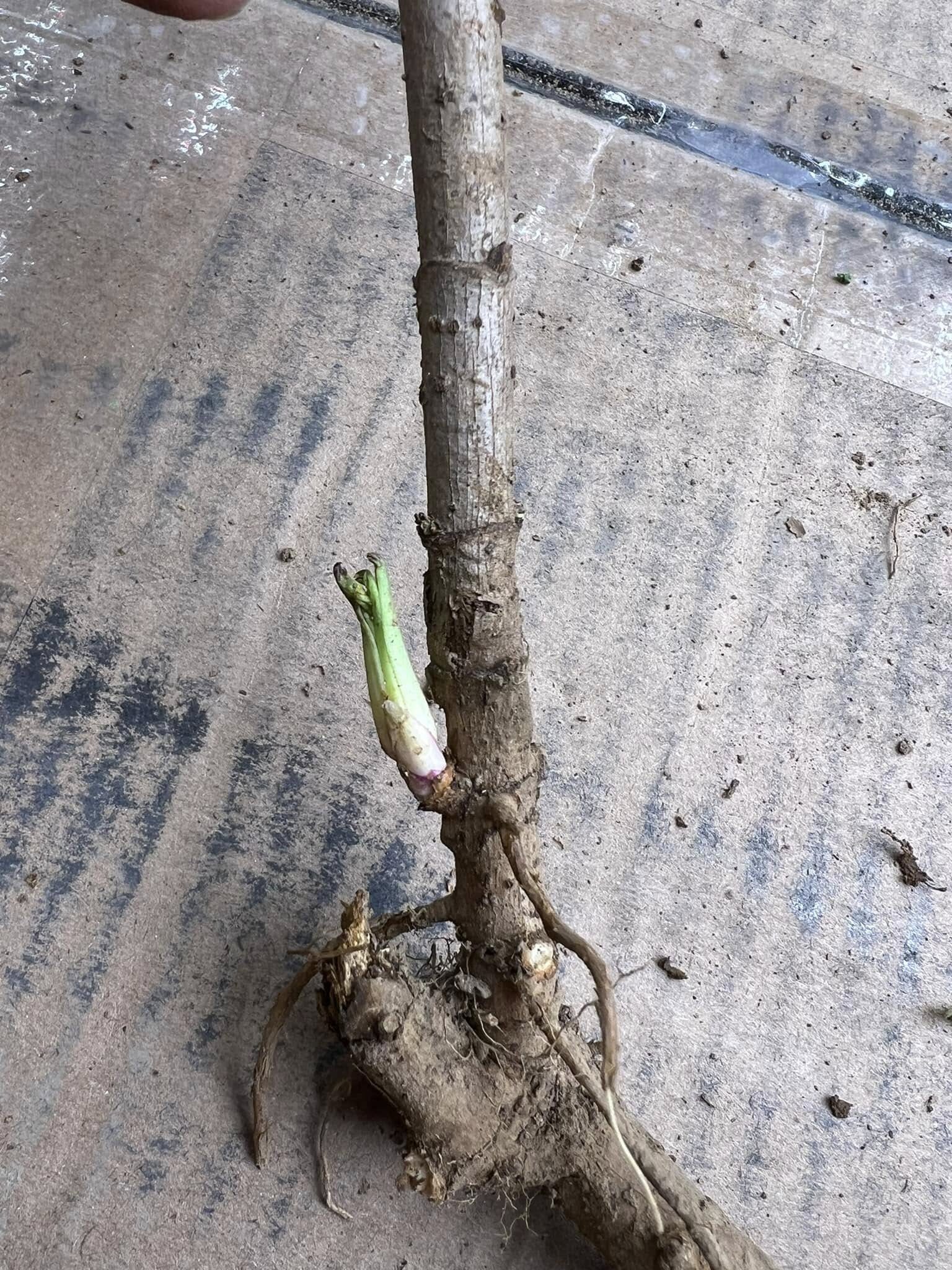
Depth should allow the plant to sit so the crown (where roots meet stems) is at or just slightly below soil level.
-
-
Set the plant:
-
Place the plant in the hole and gently spread roots outward and downward.
-
-
Backfill:
-
Refill the hole with your loosened soil and compost mix, firming gently as you go to remove air pockets.
-
Check that the shrub is upright and at the right depth.
-
-
Water thoroughly:
-
Water well to settle the soil around the roots.
-
5. Planting Potted Elderberries
-
Water the pot before planting so the root ball is moist.
-
Remove the plant from the container and gently loosen any circling roots.
-
Dig a hole as deep as the root ball and about twice as wide.
-
Set the plant so the top of the root ball is level with the surrounding soil.
-
Backfill with soil, firm lightly, and water deeply.
6. Mulch and Watering
-
Spread 2–3 inches of mulch (wood chips, shredded bark, or straw) around the base, keeping it a few inches away from the stems to prevent rot.
-
Keep soil evenly moist, especially during the first year.
-
Water deeply 1–2 times per week depending on heat and rainfall.
-
-
Elderberries like consistent moisture, so avoid letting the soil dry out completely.
7. First-Year Pruning & Care
-
Right after planting, you can lightly prune back tall, weak stems to encourage branching and strong growth.
-
Remove any broken or damaged canes.
-
Focus on getting a strong root system in the first year. Do not worry about heavy fruiting right away.
8. Ongoing Maintenance
-
Keep the area weed-free so the shrub does not compete for water and nutrients.
-
Refresh mulch each year to help with moisture and weed control.
-
After the second or third year, begin removing a few of the oldest canes each spring to keep growth young and productive.








Meagan (Etsy.com) –
Plants arrived in great condition
Catya (Etsy.com) –
Only paid for 3 & got 5! Had plenty of roots and were certainly not just small twigs. Will buy from seller again!
Laurie (Etsy.com) –
Just received today, so a little soon to tell, but so far, so good. Great communication with the seller. Heartily recommend. I’ll update soon.