Description
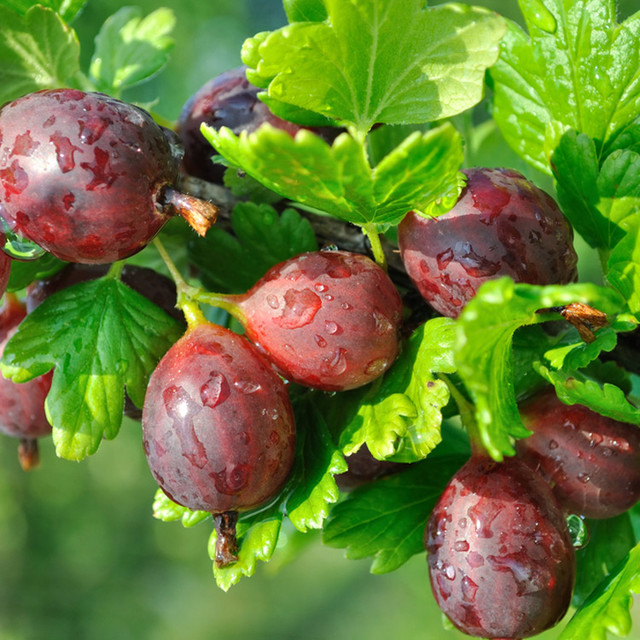
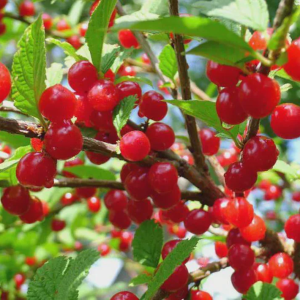
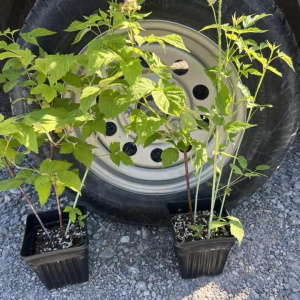
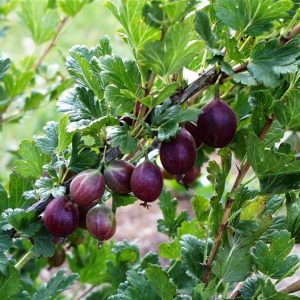
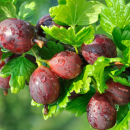
Hinnonmäki Red gooseberry is a hardy, productive gooseberry variety grown for its medium-size red berries and reliable yields in cooler climates. It forms a compact, thorny shrub that’s often used in backyard rows, edible hedges, or tucked along fences where it can spread a bit over time. The fruit typically ripens in mid to late summer, with berries that start tart and become sweeter as they fully color up, making them useful for fresh eating if allowed to ripen, and especially good for jams, pies, sauces, and freezing.
The plant prefers full sun for best fruiting, but it can tolerate partial shade, especially in hotter areas where afternoon shade helps reduce stress. Like most gooseberries, it does best in well-drained soil with steady moisture, plus a layer of mulch to keep roots cool and soil evenly damp. Prune in late winter or early spring to remove older wood and open up the center for airflow, which helps with fruit size and makes picking easier. Expect thorns, so gloves and long sleeves help during harvest.
Quick facts
- Plant type: Deciduous fruiting shrub (thorny canes)
- Mature size: Often around 3 to 5 feet tall and 3 to 5 feet wide (varies with pruning and conditions)
- USDA zones: Commonly grown in cold-hardy zones (often listed around Zones 3 to 7)
- Pollination: Self-fertile (one plant can produce fruit)
- Fruiting habit: Produces on a mix of older wood and newer growth, regular pruning improves long-term production
- Harvest window: Mid to late summer in most climates
- Berry traits: Red skin, juicy flesh, sweet-tart flavor that sweetens as it fully ripens
- Best uses: Fresh (fully ripe), jam, baking, syrups, freezing