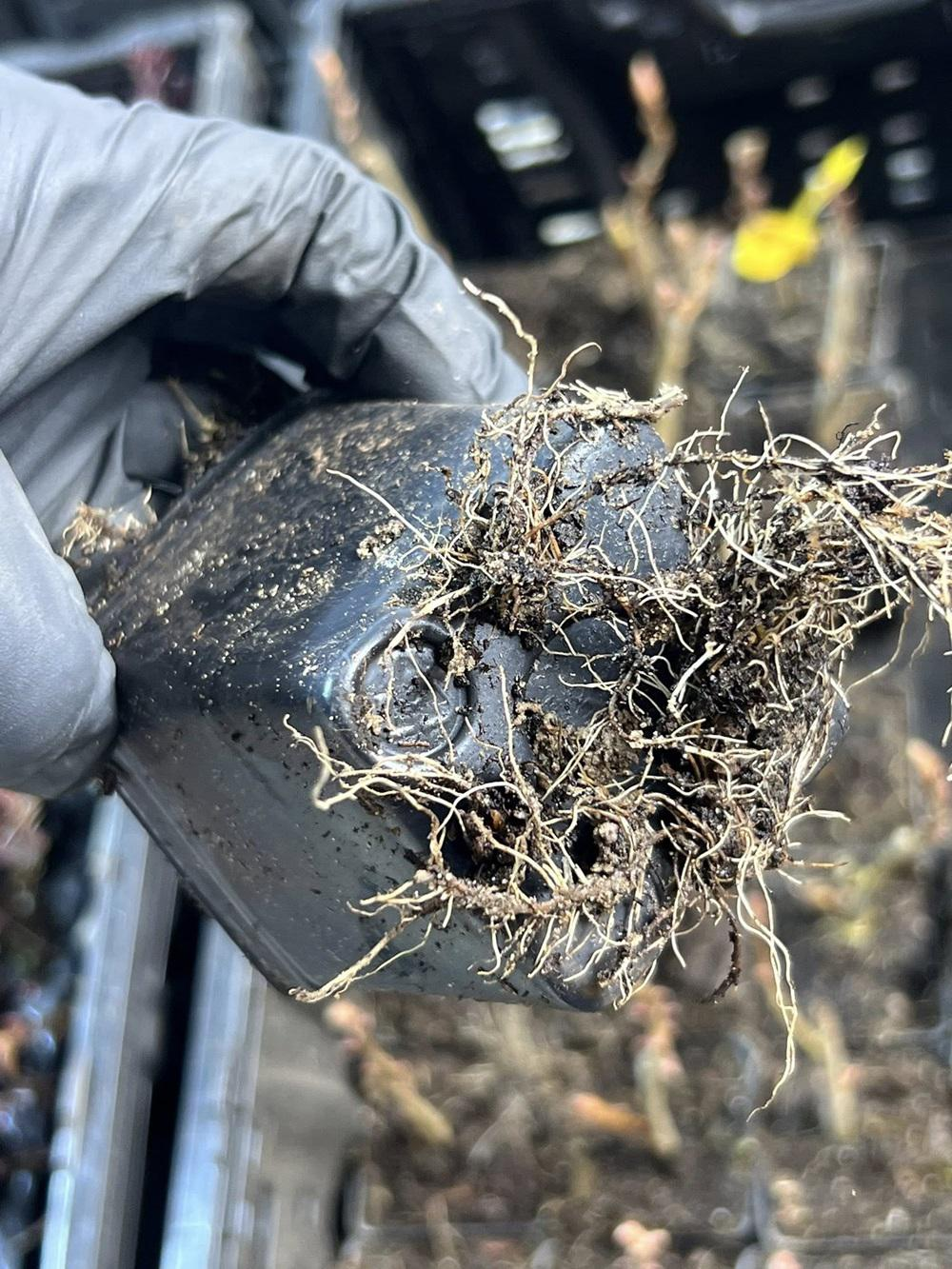
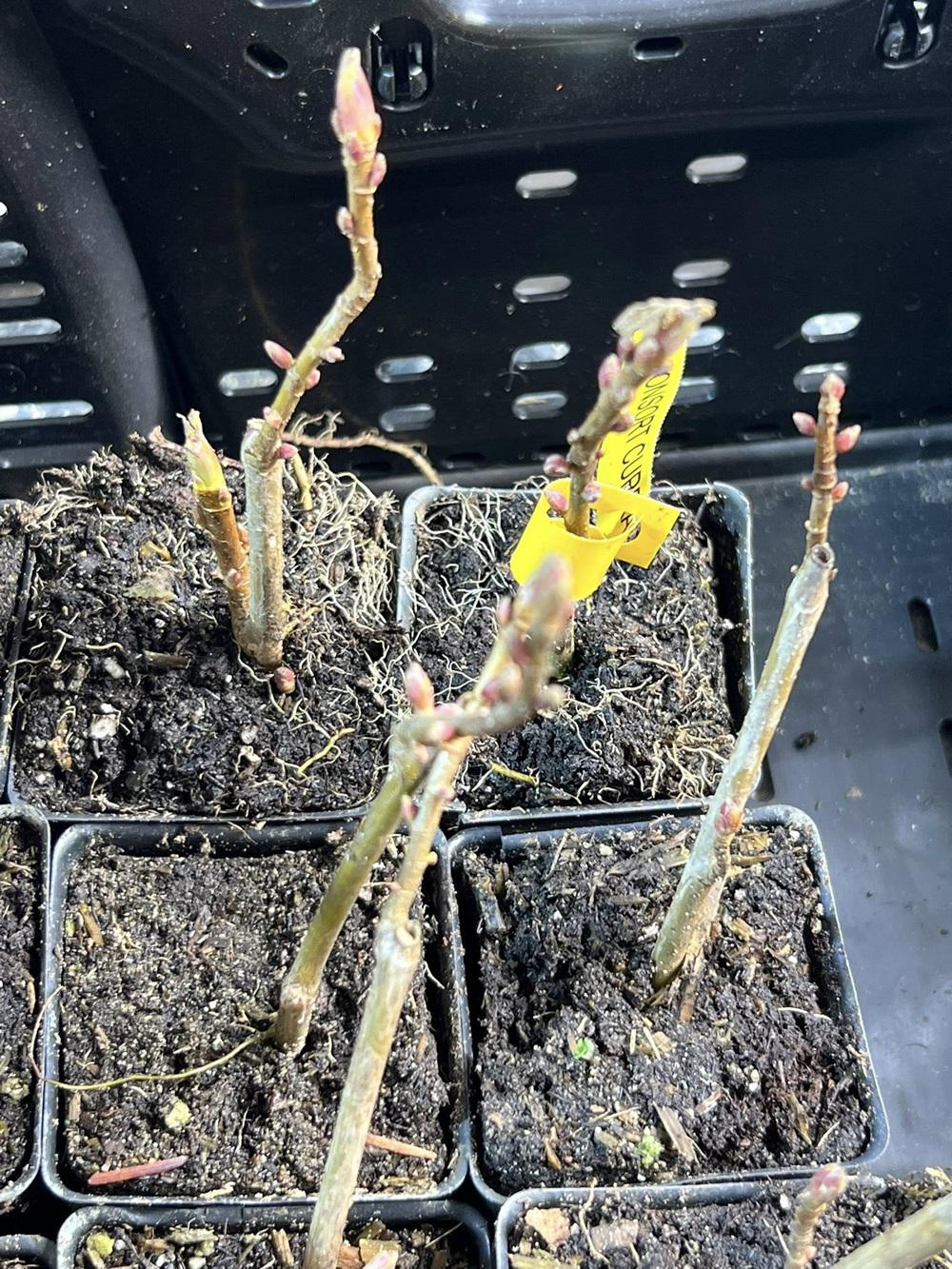
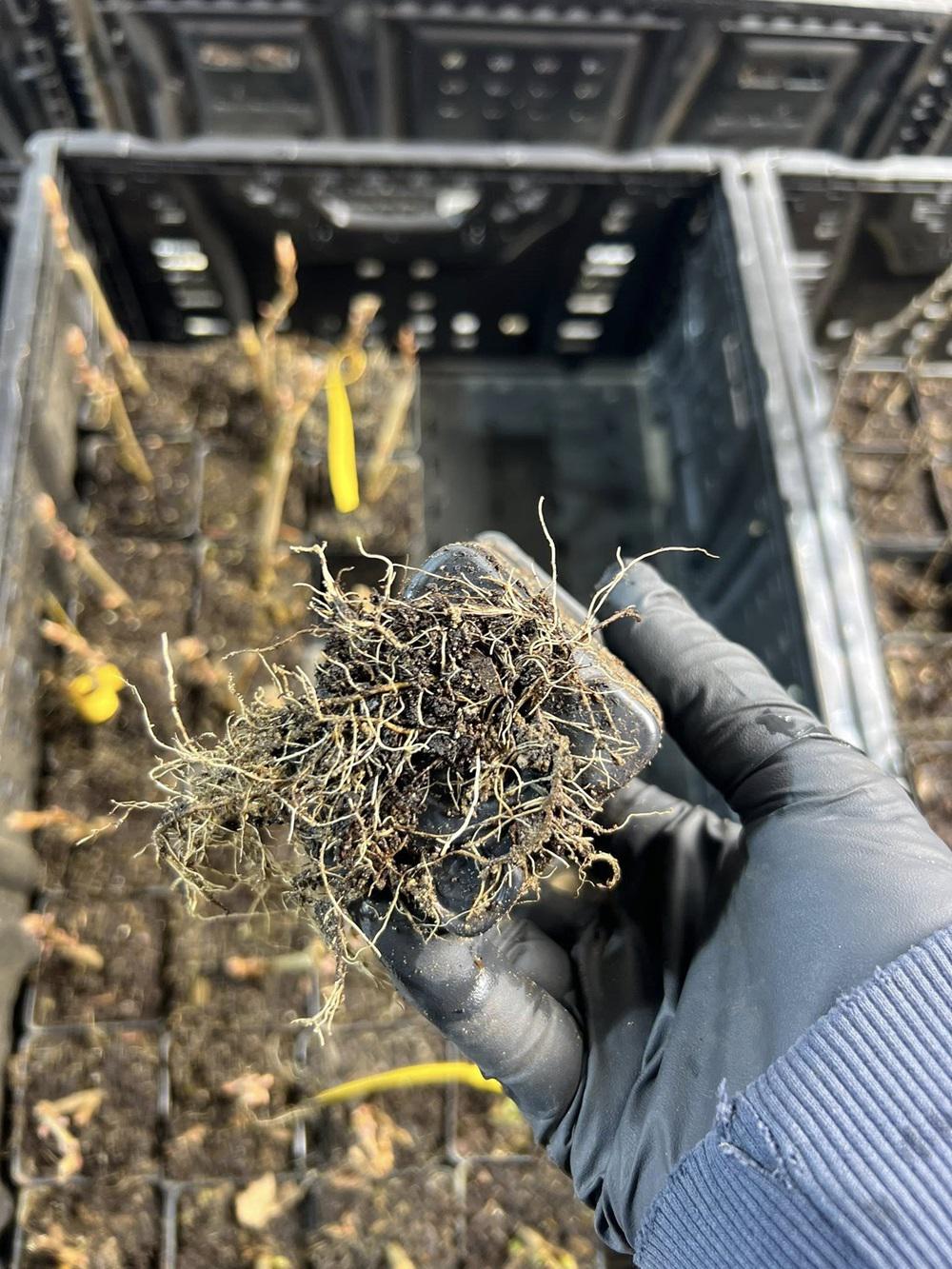
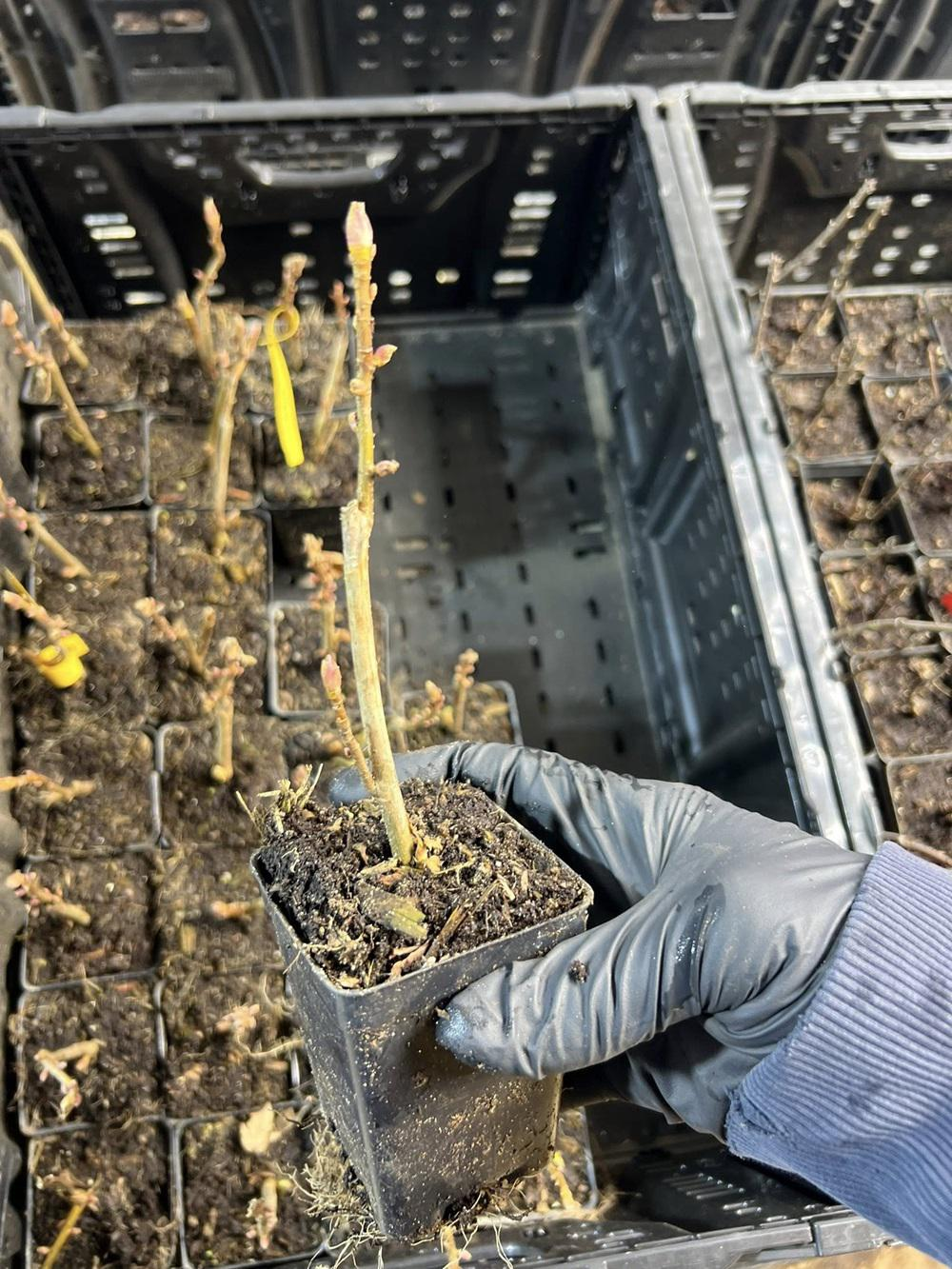

Description
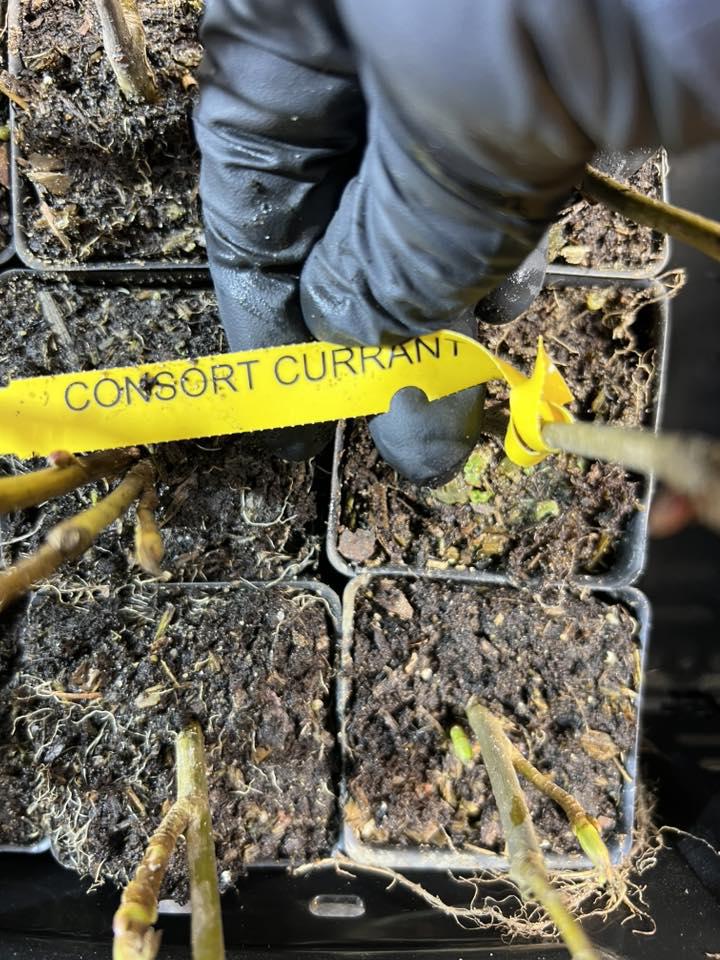
Consort Currant (Black Currant)
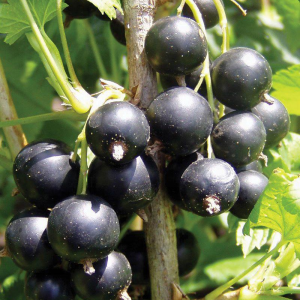
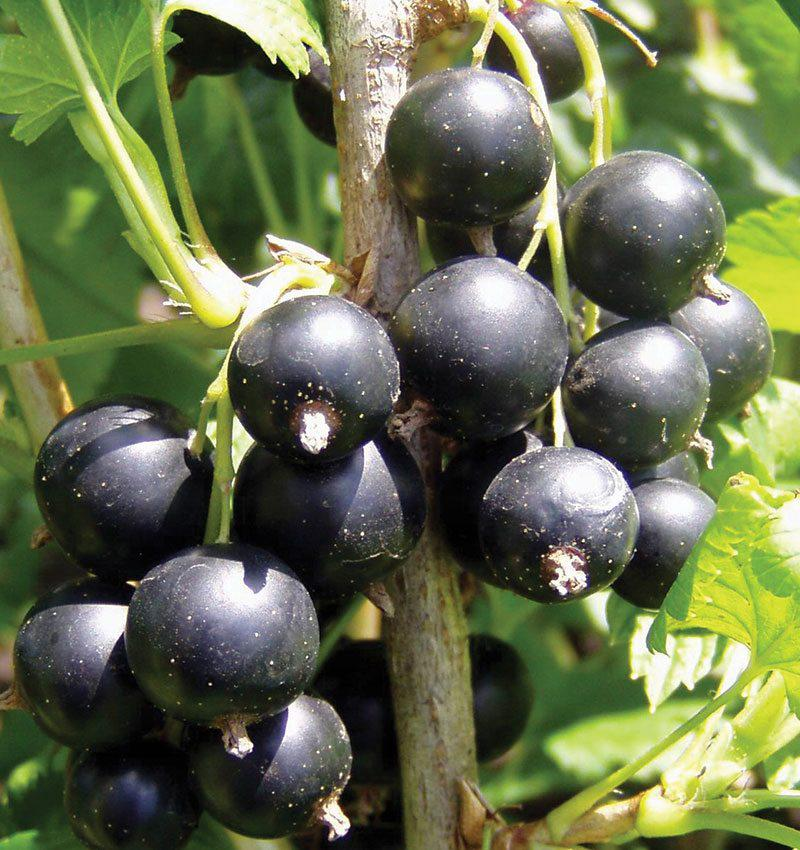
Consort is a black currant variety grown for reliable crops and strong classic currant flavor. It is also widely planted because it was bred with resistance to white pine blister rust, which is the main disease concern historically tied to black currants.
This is a compact, cold-hardy shrub that fits well in small gardens and fruit rows. Berries are best when fully dark and soft, and they are especially good for jam, syrup, juice, and baking.
Plant facts
- Type: Black currant (Ribes nigrum ‘Consort’)
- USDA zones: 3–7 (often successful into zone 8 with afternoon shade and steady moisture)
- Mature height: about 3–5 ft
- Mature width: about 3–5 ft
- Growth habit: multi-stem shrub, upright to gently spreading
- Rust resistance: bred for strong resistance to white pine blister rust
Fruit + flavor
- Berry size: small to medium
- Flavor: bold, tart-sweet, very aromatic “true black currant” taste
- Best uses: jam, jelly, syrup, juice, wine, baking, freezing (less commonly eaten straight unless fully ripe)
- Nutrition note: black currants are known for very high vitamin C content
Fruiting time
- First real crops: typically year 2–3 after planting (depending on plant size and care)
- Harvest season: early to mid-summer in most climates
- Picking window: often 1–2 weeks, usually picked by the cluster once berries are fully black and soften slightly
Yield expectations (per plant)
- Young plant (early bearing): roughly 1–3 lb
- Mature plant (good conditions): commonly 4–8 lb
- High-end potential: up to around 10 lb with ideal sun, moisture, and pruning
Growing preferences
- Sun: full sun to partial shade (afternoon shade helps in hotter areas)
- Soil: well-drained soil with plenty of organic matter
- Moisture: consistent moisture improves berry size and reduces stress
- Spacing: about 4–5 ft between plants for airflow and easier harvest
Pollination + pruning tips
- Pollination: generally self-fertile, but a second currant variety nearby can boost yield in some gardens
- Pruning: fruit is best on younger canes, remove the oldest canes each year and keep a mix of 1–3 year-old wood for steady production
Quick note
-
Local rules: black currant regulations can vary by state or county, so it is worth a quick local check if you are unsure.