
Planting Instructions

  • Choose the location

    • Pick a spot with full sun for best flowering and fruiting (at least 6 hours of direct sun daily).

    • Soil should be well drained and not stay soggy after rain.

  • Prepare the planting hole

    • Dig a hole just a bit wider and as deep as the pot your plant is in.

    • Loosen the soil in the bottom and sides of the hole.

    • If your soil is very poor or heavy, mix a small amount of compost into the backfill soil.

  • Remove the plant from the pot

    • Water the plant in its pot before planting.

    • Gently slide it out of the container, supporting the root ball.

    • Lightly loosen any circling roots with your fingers so they will grow outward.

  • Set the plant

    • Place the plant in the hole so the top of the root ball is level with the surrounding soil.

    • Make sure the shrub is upright and facing the way you like.

  • Backfill and firm

    • Fill around the root ball with the loosened soil.

    • Gently firm the soil with your hands to remove air pockets, but do not pack it hard.

  • Water well

    • Water thoroughly after planting so the soil settles around the roots.

    • Add a bit more soil if the root ball settles and becomes exposed.

  • Mulch

    • Apply 2–3 inches of mulch (such as wood chips or shredded bark) around the plant in a circle.

    • Keep mulch a couple of inches away from the main stems to prevent rot.

  • First-season care

    • Keep the soil evenly moist (not waterlogged) while the plant gets established.

    • Keep weeds and grass cleared from around the shrub so they do not compete for water and nutrients.

Description

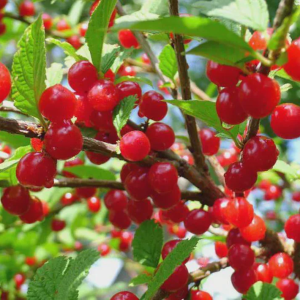
The Cheropugy is a specialized variety of Nanking Cherry (Prunus tomentosa) selected by Czech fruit collector Vojtech Slavetinsky. While often called a “cherry tree,” it is actually a compact, multi-stemmed bush that serves a dual purpose in the landscape: it is a stunning ornamental shrub in the spring and a productive fruit factory in the summer.

This variety is prized for its extreme cold hardiness and its manageable size, making it a perfect option for gardeners with limited space who still want to enjoy a backyard orchard experience without needing a ladder.

Flavor Profile & Uses
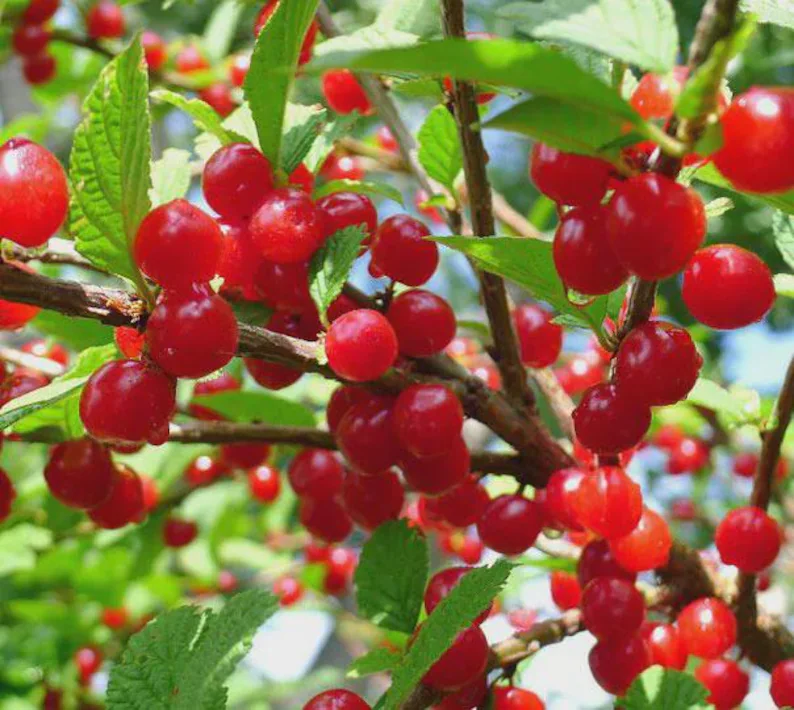
  • Taste: Tangy, tart-sweet flavor. While more tart than a grocery store ‘Bing’ cherry, they are sweeter than standard sour cherries and refreshing to eat fresh when fully ripe.

  • Fruit Size: Small, scarlet-red berries (about half the size of a standard sweet cherry).

  • Kitchen Use: Excellent for fresh eating, jams, jellies, pies, and wine. The fruit has a short shelf life, so it is best enjoyed immediately after picking.

Plant Characteristics
  • Hardiness Zones: 4–8 (Extremely cold hardy).

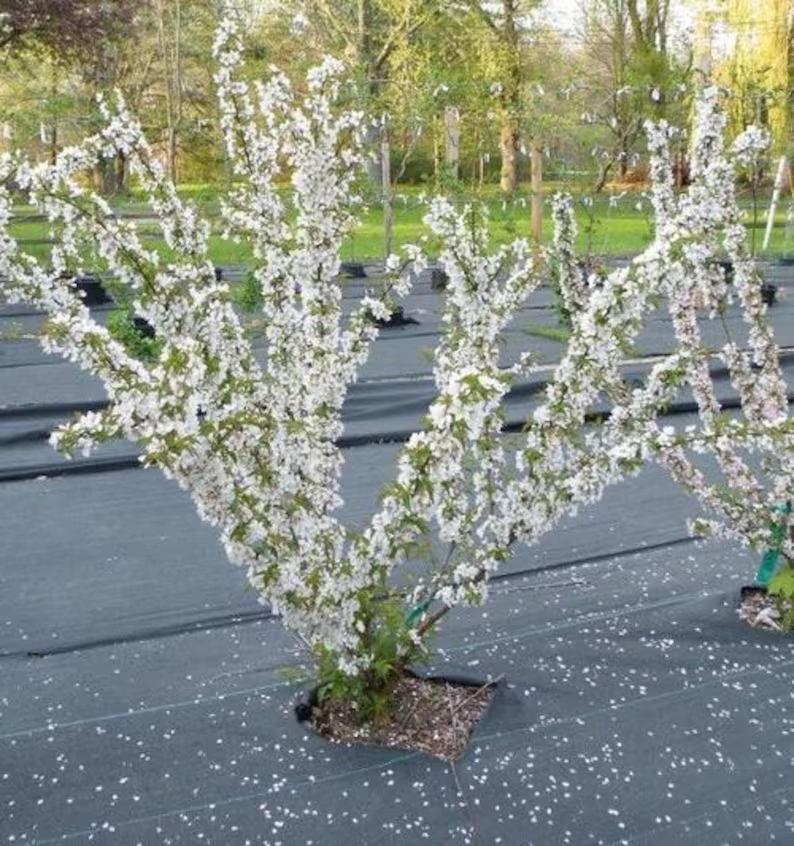
  • Growth Habit: Upright, multi-stemmed shrub. It naturally grows as a dense bush rather than a tree with a single trunk.

  • Mature Height: 5–6 feet tall and 3–4 feet wide.

  • Sun Exposure: Full Sun to Partial Shade (Full sun results in the best flowering and fruiting).

  • Pollination: Requires Cross-Pollination. The Cheropugy is not self-fertile. To get fruit, you must plant it near a different variety of Nanking Cherry (such as a generic white or red seedling Nanking). Two Cheropugy plants cannot pollinate each other.

Growing & Maintenance

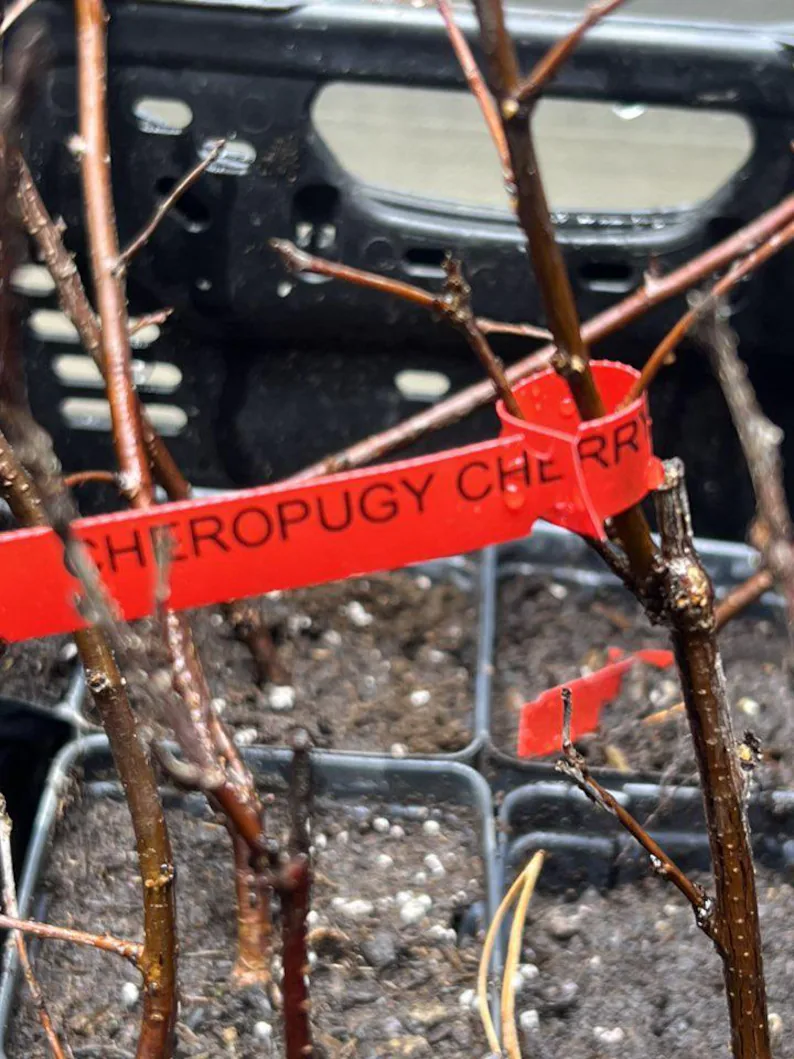
Planting Your Bare Root Bush Soak the roots for a few hours before planting. Space your plants about 6 to 10 feet apart to allow for airflow, or closer (4–5 feet) if you wish to create a dense, fruiting hedge.

Soil Requirements Cheropugy is adaptable and can thrive in a range of soil types, including sandy or loamy soils. It prefers a neutral to slightly alkaline pH but tolerates average garden soil well. Good drainage is critical; these plants do not like “wet feet.”

Watering These bushes are relatively drought-tolerant once established. However, consistent watering during the spring bloom and summer fruit development will prevent the berries from dropping prematurely and ensure they reach full size.

Pruning Pruning is simple and best done in late winter. Focus on removing dead wood and thinning out the center of the bush to allow sunlight to reach the inner branches. Because the plant blooms on old wood (last year’s growth), avoid heavy shearing, or you may cut off the season’s flower buds.

A Note on Aesthetics This is one of the first shrubs to bloom in the spring, covering itself in a cloud of fragrant white-to-pink flowers that attract early pollinators. Even without fruit, it is a valuable landscape plant for its spring beauty and textured foliage.

Customer Reviews

No reviews yet.

Recently Viewed