
Black Mulberry Planting Instructions
How to plant a bare root black mulberry tree
-
Unpack and protect the roots right away
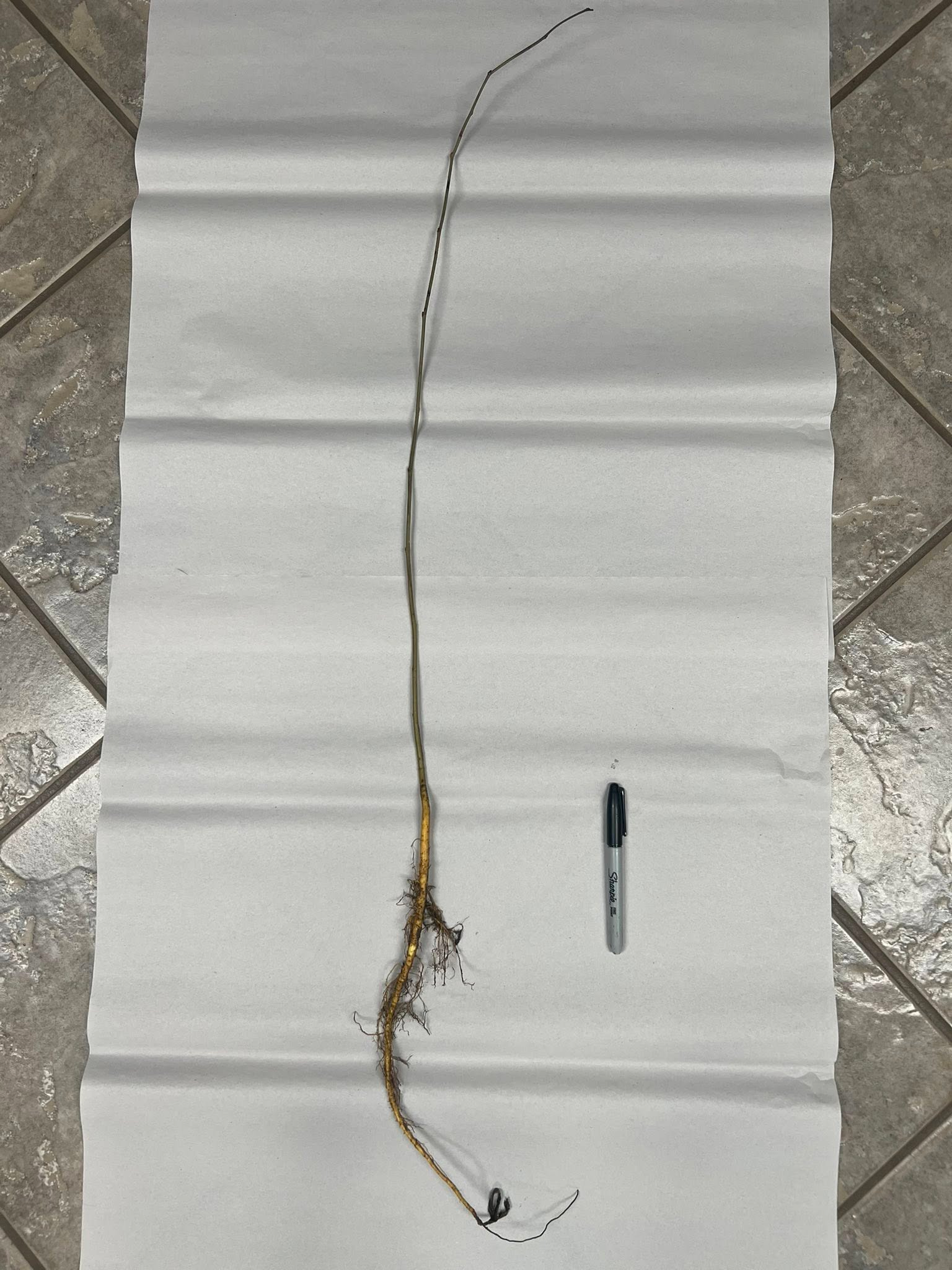
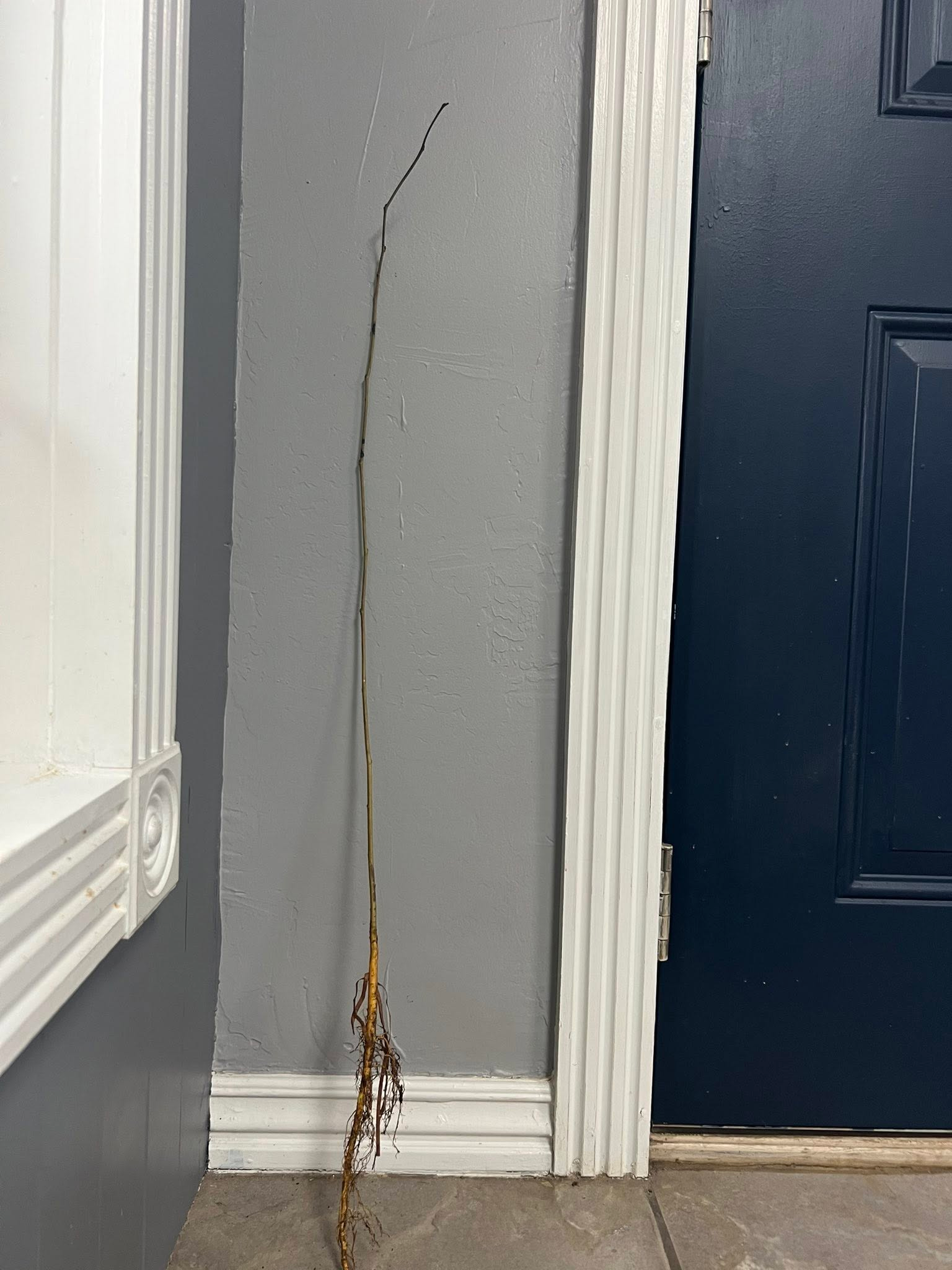
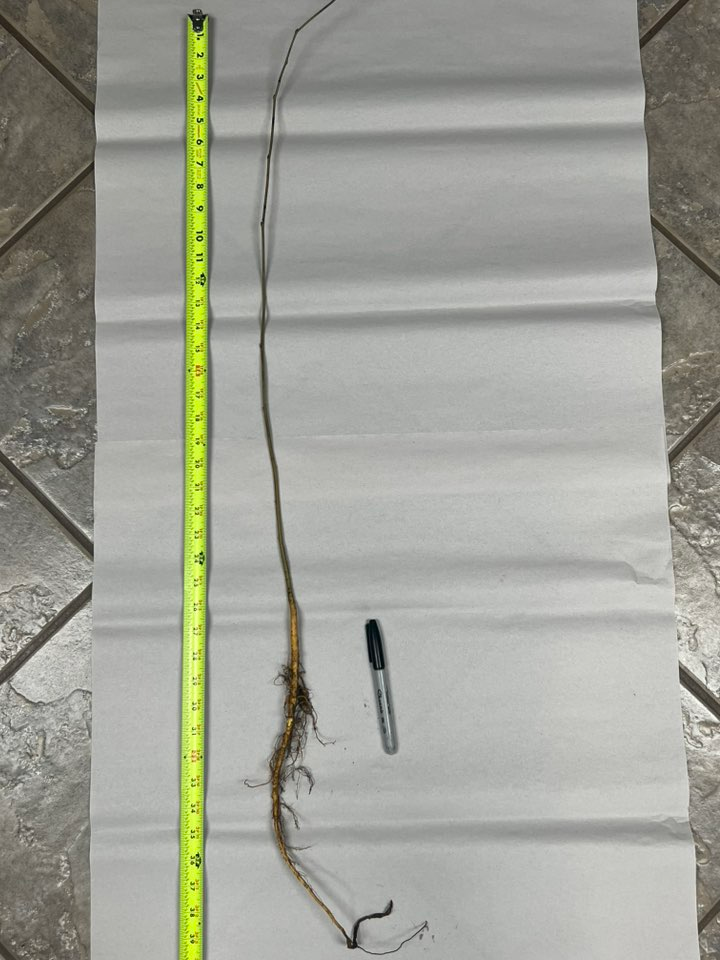
Open the package as soon as it arrives. Keep the roots damp and shaded. If you cannot plant the same day, wrap roots in moist paper and store the tree in a cool place for up to a couple days. If roots look dry, soak them in a bucket of water for 2 to 6 hours before planting. Do not soak overnight. -
Pick the right spot
Choose a sunny location with well-drained soil. Give the tree room to spread. Also consider fruit drop and staining, it is smart to plant away from patios, sidewalks, driveways, and light-colored surfaces. -
Dig the hole
Dig a hole wide enough to spread the roots without bending them, typically 2 to 3 times wider than the root spread. Dig only as deep as needed so the tree will sit at the same depth it grew in the nursery. If you see a soil line on the trunk, that is a good reference. -
Set the tree at the correct depth
Make a small mound of soil in the center of the hole, set the tree on the mound, and fan the roots outward. The root flare (where the trunk widens at the base) should be at or slightly above the surrounding soil level after settling. -
Backfill and water in
Backfill with the native soil you removed, breaking up large clods. Firm the soil gently as you go to remove air pockets. Water slowly and deeply right after planting to settle the soil around the roots. -
Mulch properly
Apply 2 to 4 inches of mulch in a wide circle around the tree to hold moisture and reduce weeds. Keep mulch a few inches away from the trunk to prevent rot. -
Stake only if needed
If your site is windy or the tree feels unstable, stake for the first growing season. Use soft ties and remove stakes after the tree is established so the trunk can strengthen. -
First-year care
Water deeply 1 to 2 times per week during the first 6 to 10 weeks, then adjust based on rainfall and heat. The goal is consistently moist soil, not soggy soil. In the first year, focus on root establishment over heavy growth. Light shaping pruning can be done to remove broken branches or improve structure, but avoid heavy pruning at planting time. -
Fertilizer timing
Do not over-fertilize at planting. If your soil is poor, a light feeding after new growth starts in spring is fine. Too much nitrogen can push leafy growth at the expense of fruiting later.