
Description
Shipping restrictions: Wineberry cannot be shipped to certain states where it is regulated as a prohibited invasive plant. We currently do not ship wineberry to: Connecticut, Delaware, Maine, Massachusetts, New York, Vermont, or Wisconsin.
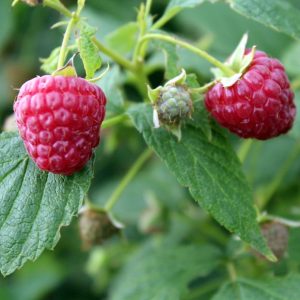
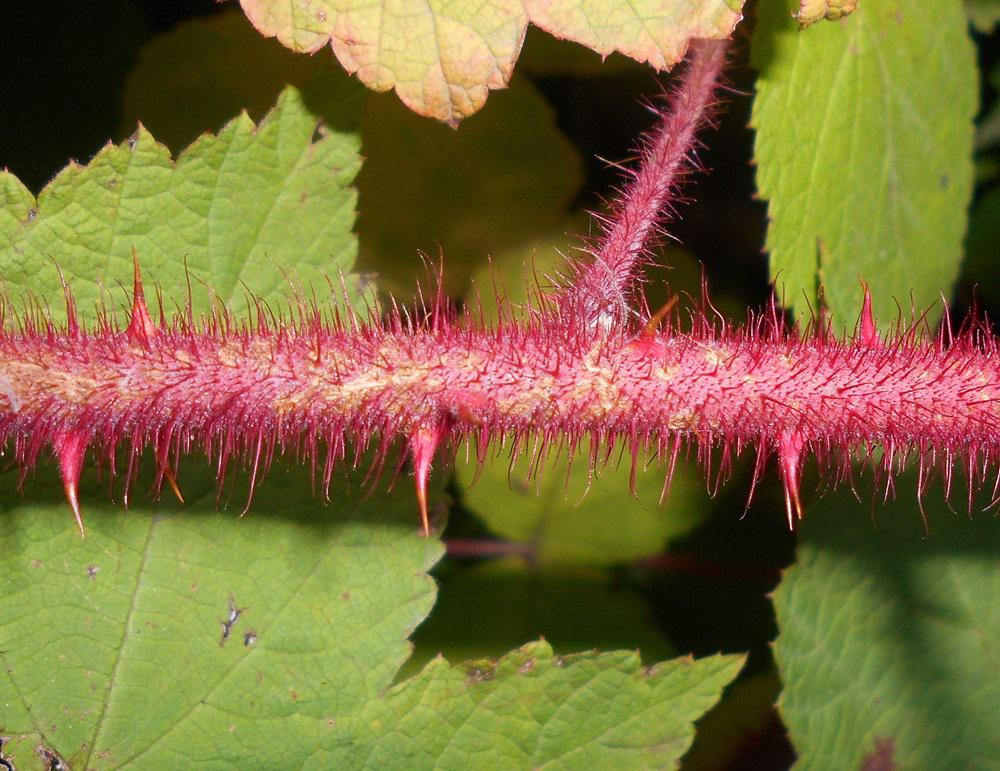
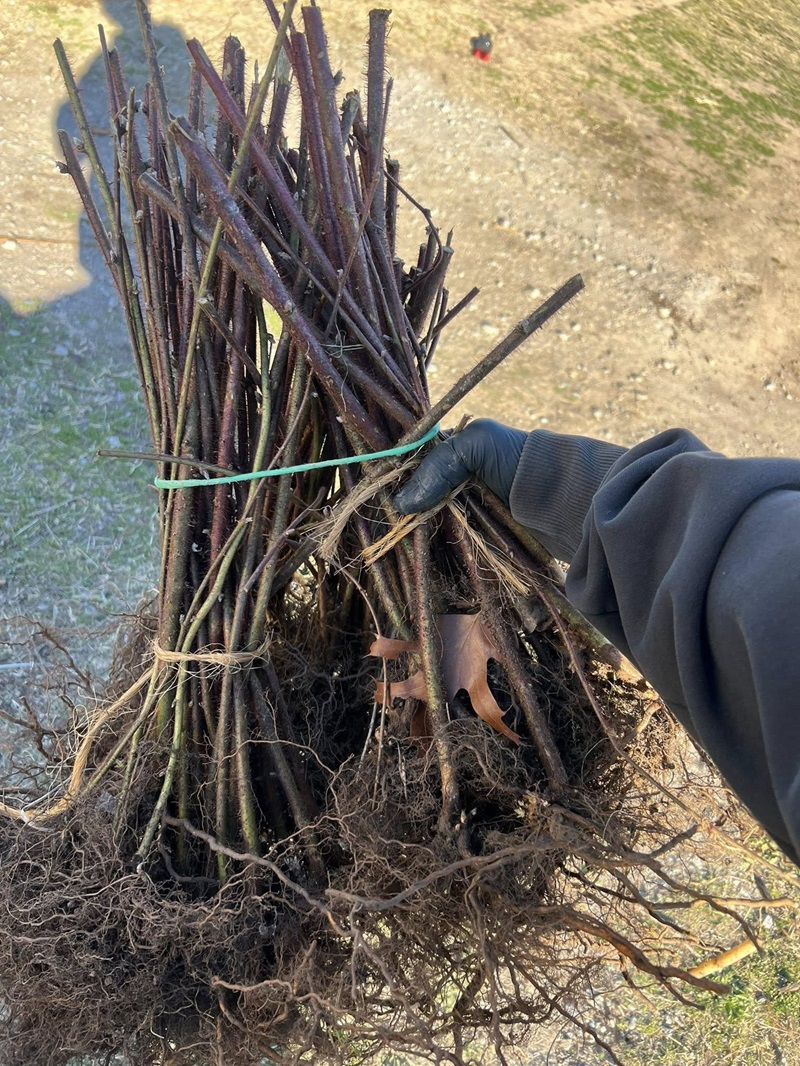
Wineberry (Rubus phoenicolasius) is a vigorous bramble berry that’s valued for its glossy red fruit, fast growth, and ability to produce well with basic care. It’s a great fit if you want a berry plant that fills out quickly, handles a range of conditions, and delivers a steady mid-summer harvest once established.
Wineberry grows best in full sun to partial shade. In hotter areas, a little afternoon shade can help keep plants from stressing and can improve fruit quality. Like most brambles, it prefers well-drained soil with consistent moisture, especially from flowering through harvest. It will tolerate less-than-perfect ground better than many berries, but it performs best in soil that’s not constantly wet and that has been loosened and amended with compost. A light layer of mulch helps hold moisture, suppress weeds, and protect shallow roots from temperature swings.
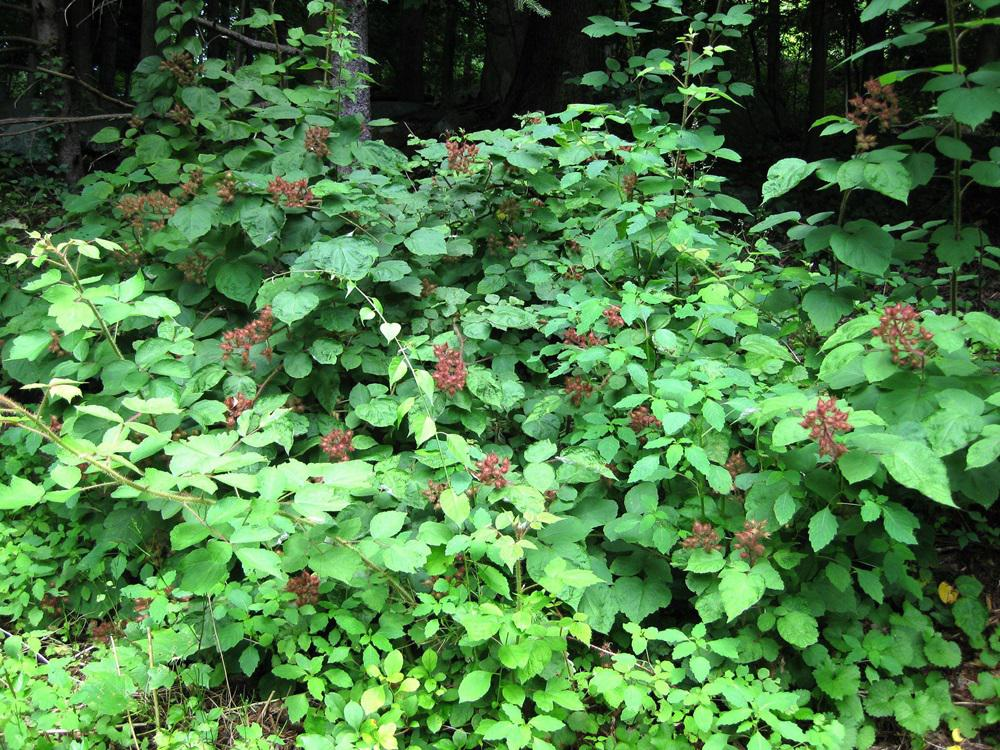
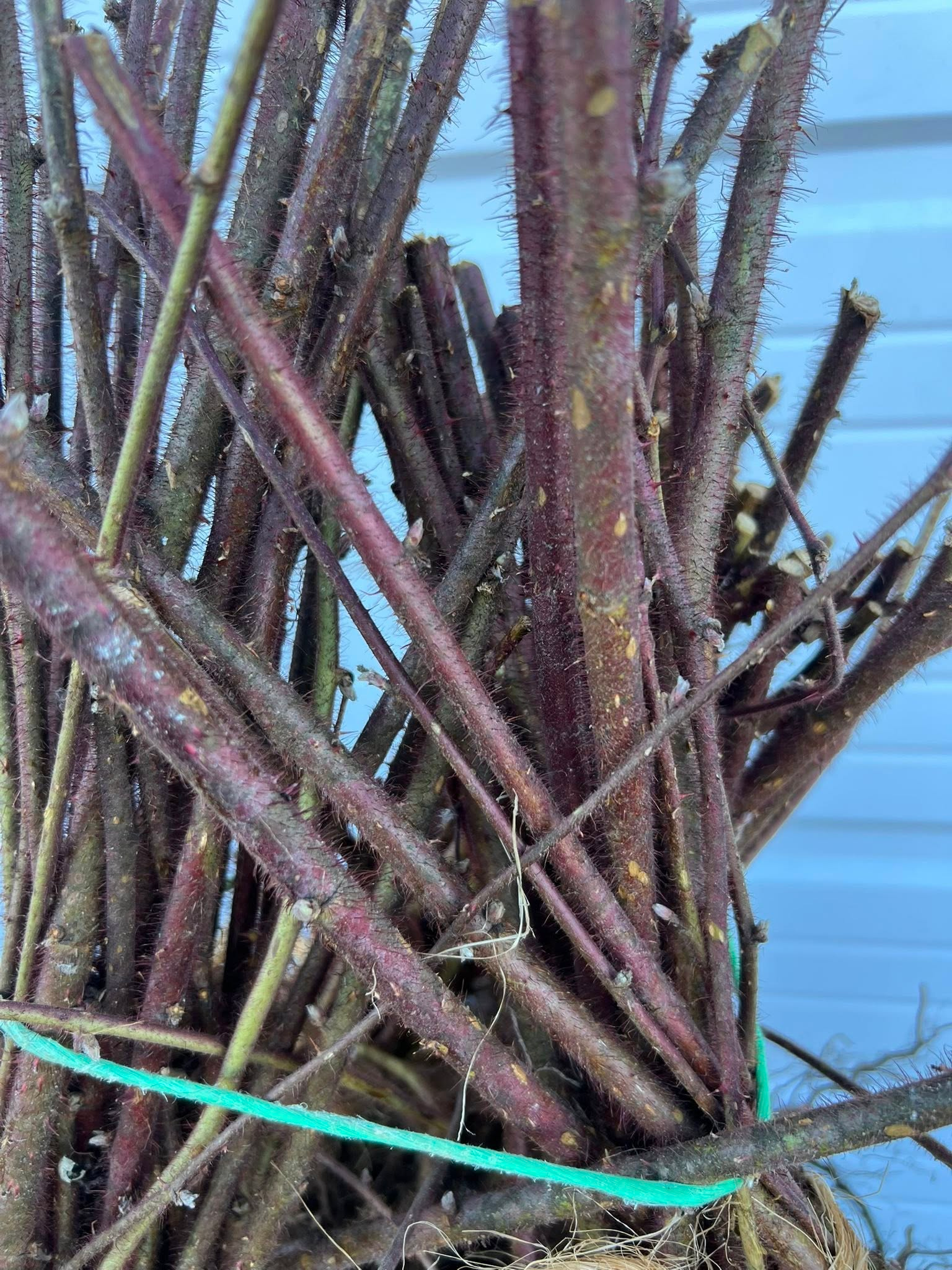
In terms of hardiness, Wineberry generally does well in USDA Zones 4 through 8. In colder zones it’s reliably hardy, and in warmer zones it appreciates some shade and regular watering during heat. Plants grow as arching canes that can be trained on a simple trellis or tied to wires for easier picking. Expect a fairly tall, spreading plant if it’s left unsupported. Like other caneberries, it produces fruit on second-year canes (floricanes). That means the canes grow vegetatively the first year, then flower and fruit the next season. After fruiting, those canes die back and should be pruned out to make room for new growth.
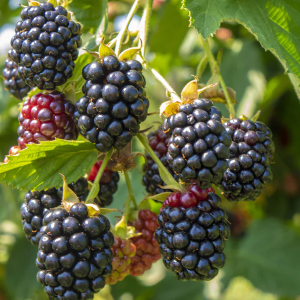
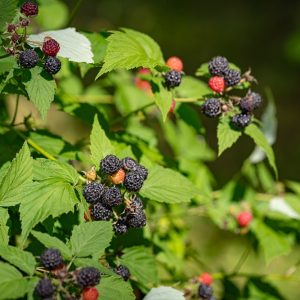
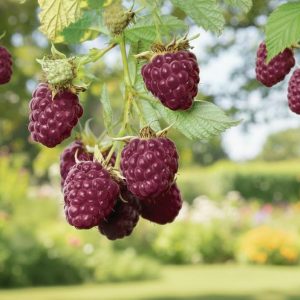
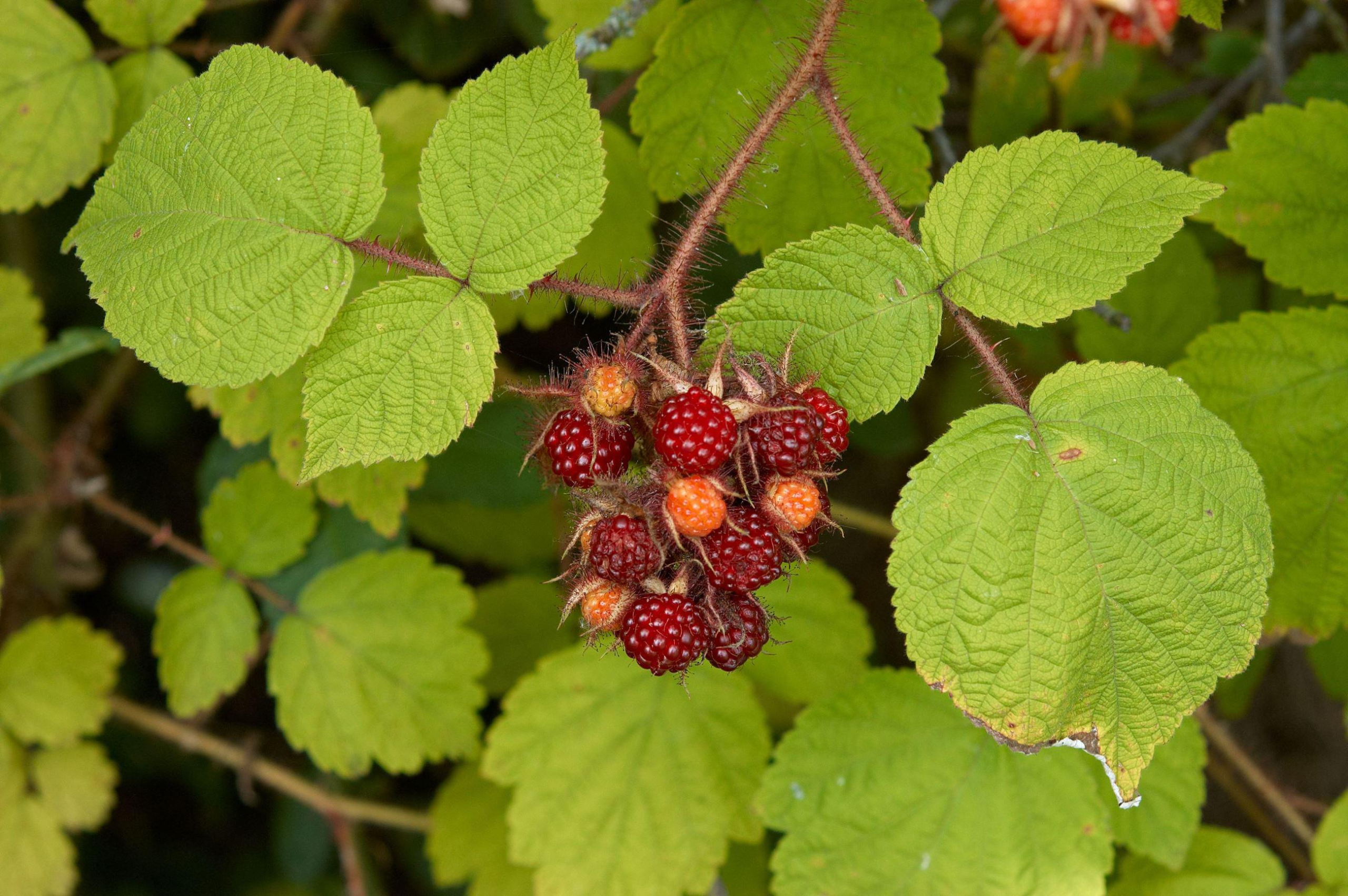
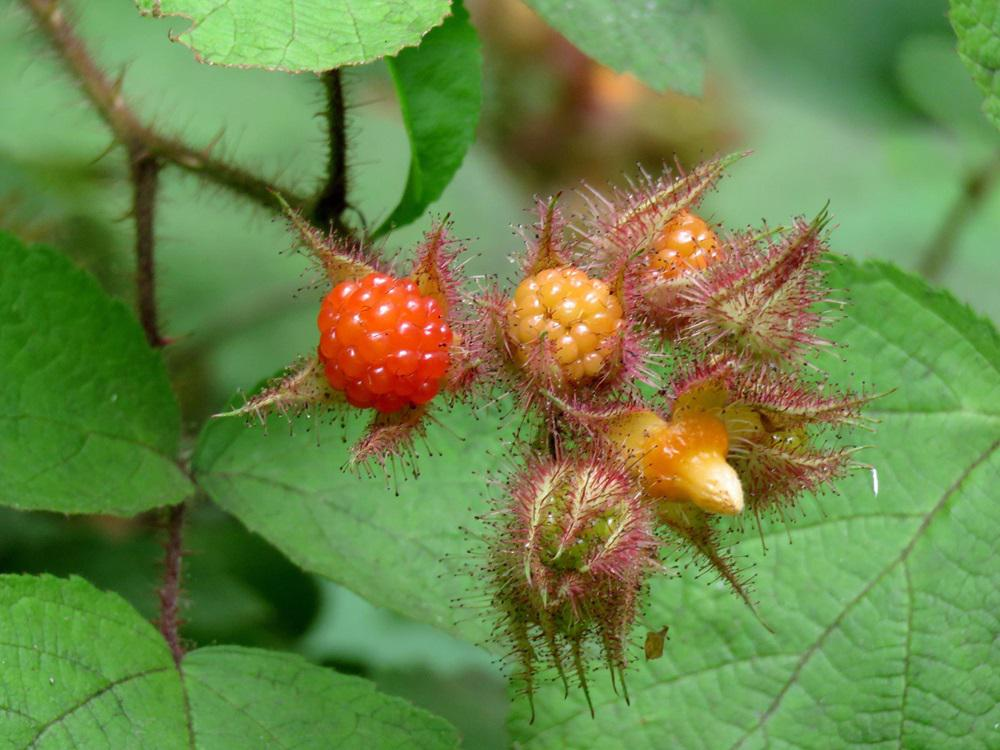
Fruit typically ripens in early to mid-summer, depending on your climate. Wineberries are known for their distinctive “sticky” berry clusters and for the way the developing fruit is covered by a protective, fuzzy calyx that peels back as the berry ripens. The flavor is sweet-tart and very aromatic, often described as a raspberry-like taste with a bit more tang. When fully ripe, the berries are bright red, juicy, and excellent for fresh eating, jams, syrups, pies, and homemade wine or cordials.
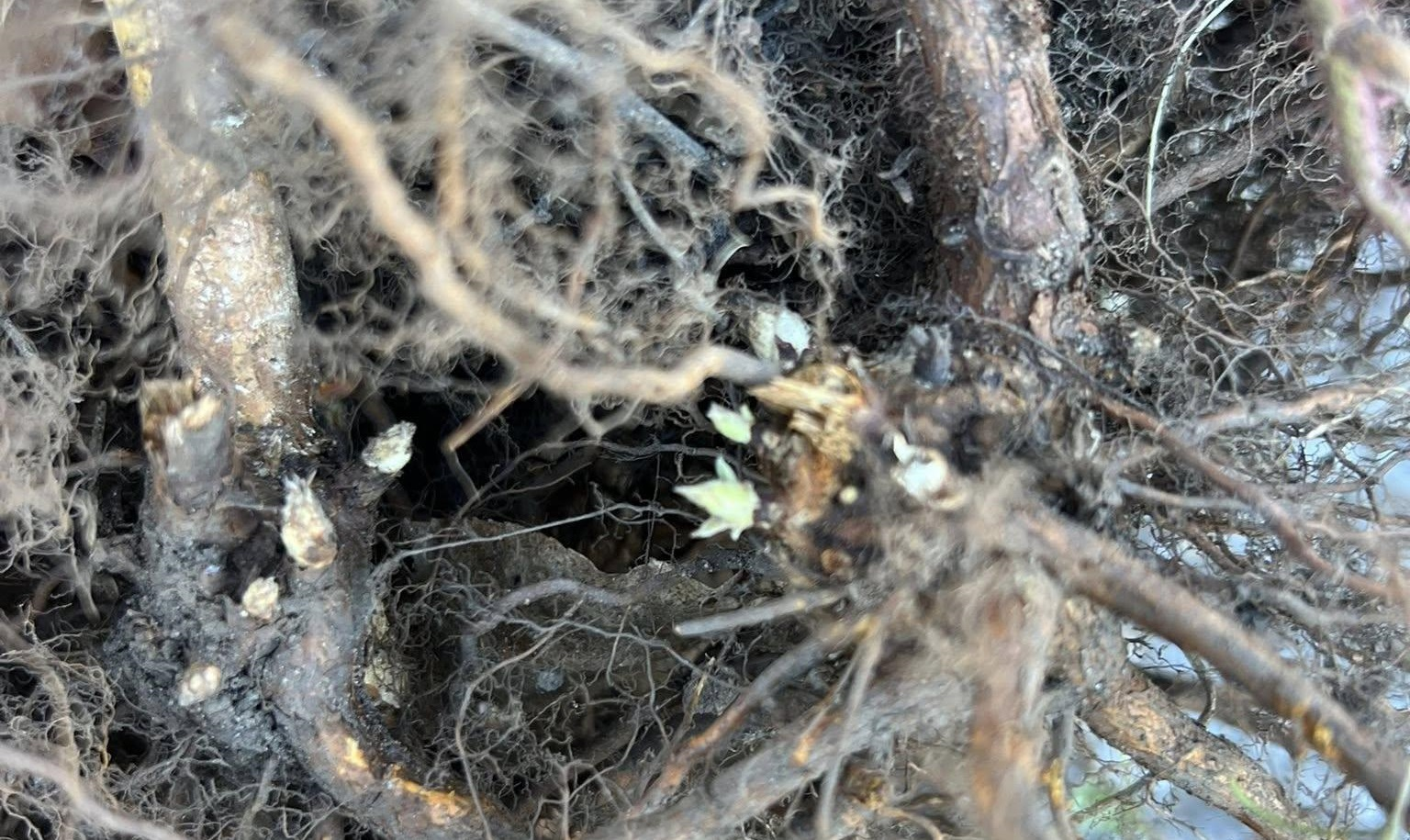
One thing to know up front is that Wineberry can spread aggressively in some regions. It roots where canes touch the ground and can also reseed. If you want to keep it contained, grow it on a trellis, prune annually, and remove any wandering shoots. If you have a naturalized edge, woodland border, or a spot where you want a productive bramble patch, its vigorous habit can be a plus.
Quick Wineberry facts
- USDA zones: 4–8
- Sun needs: Full sun to partial shade (afternoon shade helps in hotter areas)
- Soil: Well-drained, average to rich soil, consistent moisture is best
- Fruiting habit: Summer-bearing, fruits on second-year canes
- Taste: Sweet-tart, raspberry-like, aromatic, juicy
- Growth habit: Vigorous, arching canes, benefits from trellising
- Uses: Fresh eating, jam, baking, syrup, wine-making