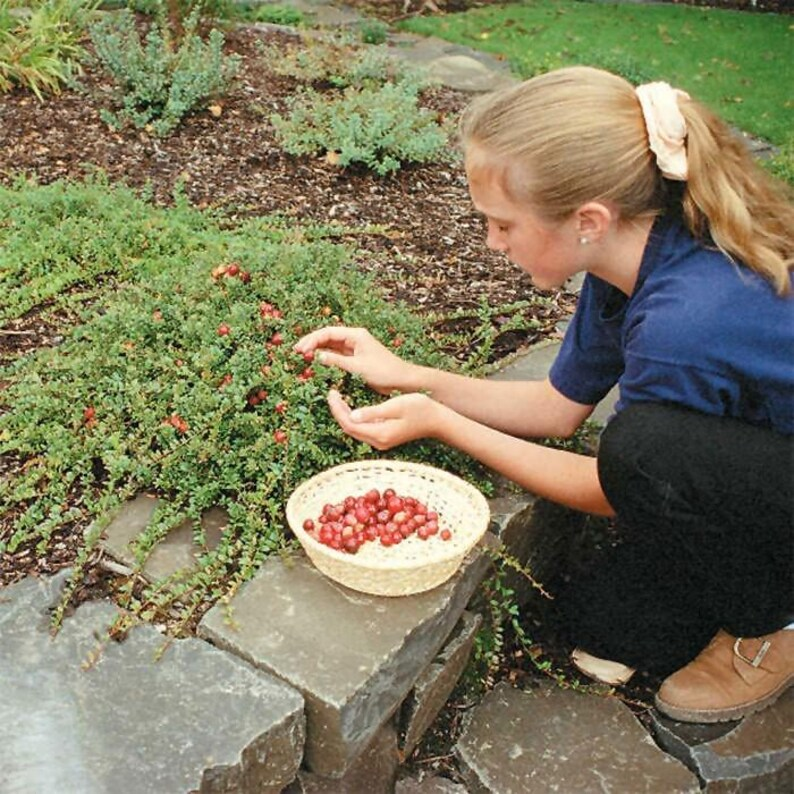

Description
The Stevens Cranberry: An Industry Standard
If you have ever bought a bag of fresh cranberries at the grocery store for Thanksgiving, there is a very good chance you were holding Stevens cranberries.
This variety is not just another berry in the patch. It is a powerhouse cultivar that has dominated the American cranberry industry for decades. For the home grower or the small-scale fruit farmer, understanding the Stevens variety is essential to understanding how modern cranberry farming works.
History and Origin
The Stevens cranberry (Vaccinium macrocarpon ‘Stevens’) is a hybrid variety developed by the United States Department of Agriculture (USDA). It was officially released in 1950, a product of a breeding program designed to create vines that were productive and resistant to specific diseases like false blossom.
It was created by crossing two older varieties: ‘McFarlin’ and ‘Potter’. The goal was to combine the hardiness and quality of its parents into a vine that could withstand the rigors of commercial production while delivering high yields. The experiment was a massive success. Today, Stevens remains one of the most widely planted cultivars in major cranberry-producing regions like Wisconsin, Massachusetts, and Oregon.
Berry Profile
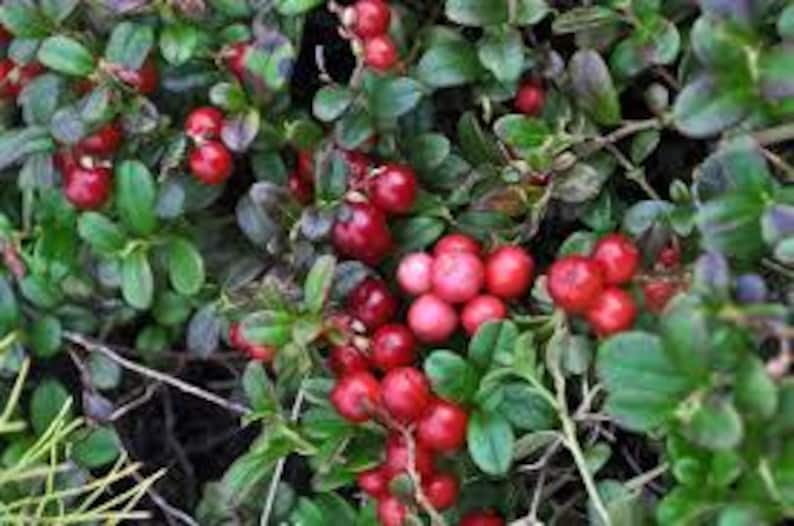
The fruit itself is distinct and easily recognizable.
-
Size: Stevens produces large berries, which makes them efficient to harvest and visually appealing for the fresh market.
-
Color: The berries ripen to a deep, dark red. This high anthocyanin content is desirable for juice production, as it provides that signature rich cranberry color without needing artificial additives.
-
Texture: They are known for being firm. This firmness is a critical trait because it gives the berries excellent “keeping quality,” meaning they have a longer shelf life in fresh storage compared to softer varieties.
-
Flavor: Like almost all cranberries, they are intensely tart and acidic with low sugar content.
Growth Habits
For the grower, the Stevens variety is known for its vigor. It is a perennial, low-growing vine that spreads via runners (stolons) to form a dense mat or “upright” canopy.
Productivity One of the main reasons for its dominance is yield consistency. While some older native varieties were prone to “biennial bearing” (producing a heavy crop one year and a light one the next), Stevens is more reliable year over year when managed correctly.
Mid-Season Ripening Stevens is considered a mid-season variety. In most North American climates, the fruit is ready for harvest from late September through October. This timing is perfect for the holiday fresh market rush.
Growing Requirements
If you are considering planting Stevens cranberries, the requirements are specific but manageable if you have the right conditions.
-
Soil Acidity: Like blueberries, cranberries require acidic soil. The ideal pH range is between 4.0 and 5.5. They thrive in peat or sandy soils that hold moisture but drain well enough to prevent root rot during the growing season.
-
Water: These plants need consistent moisture. Commercial growers often flood their beds for harvest and winter protection, but for home growers, consistent irrigation is usually sufficient.
-
Sun: Full sun is required for maximum fruit production. Shaded vines will grow leaves but few berries.
-
Cold Hardiness: They are extremely cold hardy, suitable for USDA zones 3 through 7. However, the dormant flower buds can be damaged by dry, freezing winds in winter, which is why commercial growers often submerge vines or cover them with mulch during the coldest months.
Culinary and Commercial Uses
Because of their firmness and low pectin content, Stevens cranberries are versatile.
Fresh Market Their large size and ability to stay firm in cold storage make them the top choice for the bags of fresh berries sold in autumn. They hold their shape well when baking in muffins or breads.
Processing The deep red color makes them ideal for juice and sweetened dried cranberries (Craisins). The skin is thick enough to handle mechanical harvesting, which is done by flooding the bog and knocking the berries off the vine so they float to the surface.
Why It Matters
The Stevens cranberry represents a turning point in fruit agriculture. Before its release, growers relied heavily on native selections found in the wild. Stevens proved that selective breeding could drastically improve yield and disease resistance without sacrificing the tart, complex flavor that defines the fruit. Whether you are planning a large Thanksgiving sauce or looking to add a ground cover to your acidic garden soil, Stevens is the reliable standard.
Would you like me to draft a comparison table between Stevens and other popular varieties like ‘Early Black’ or ‘Ben Lear’?