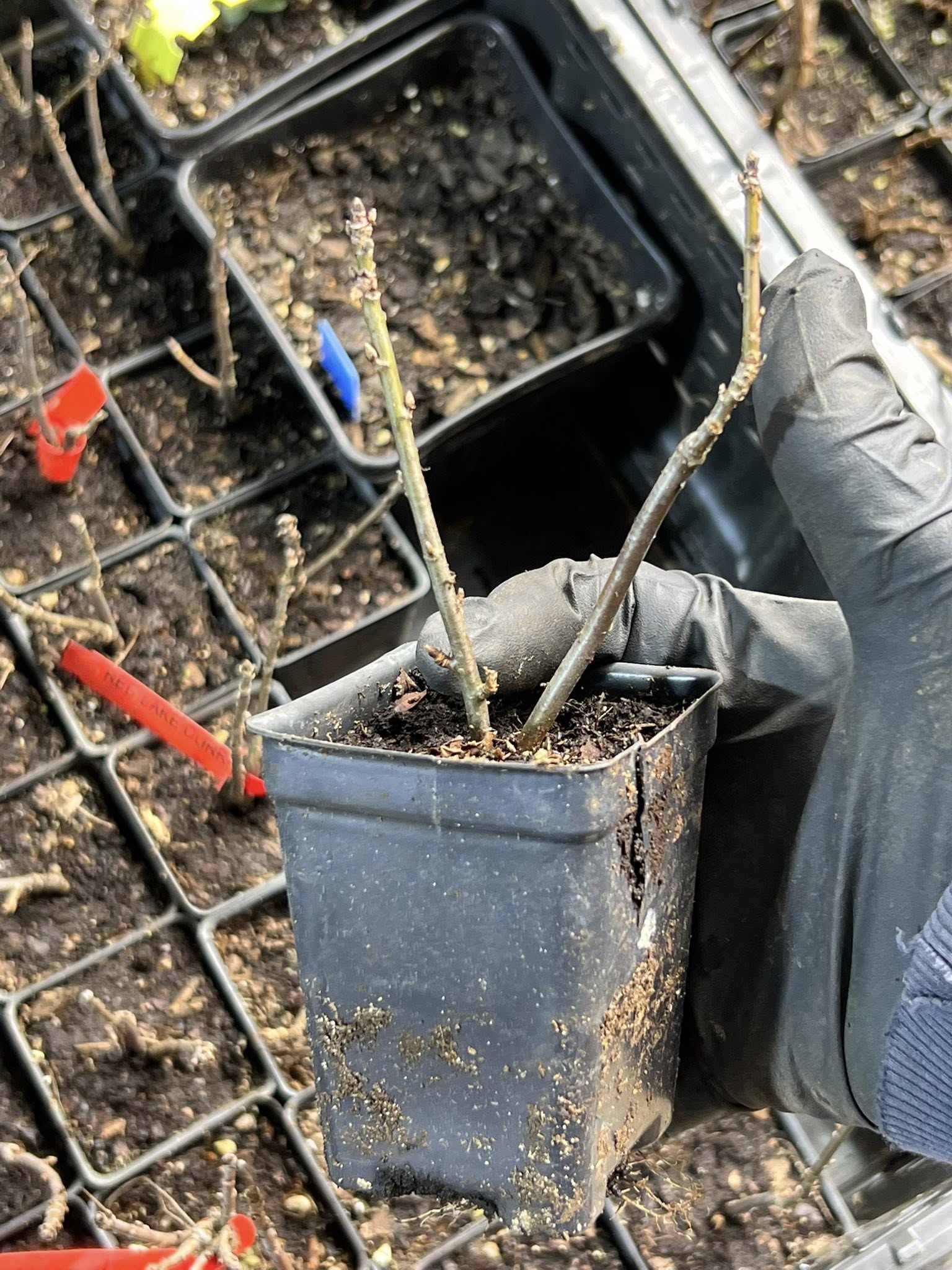
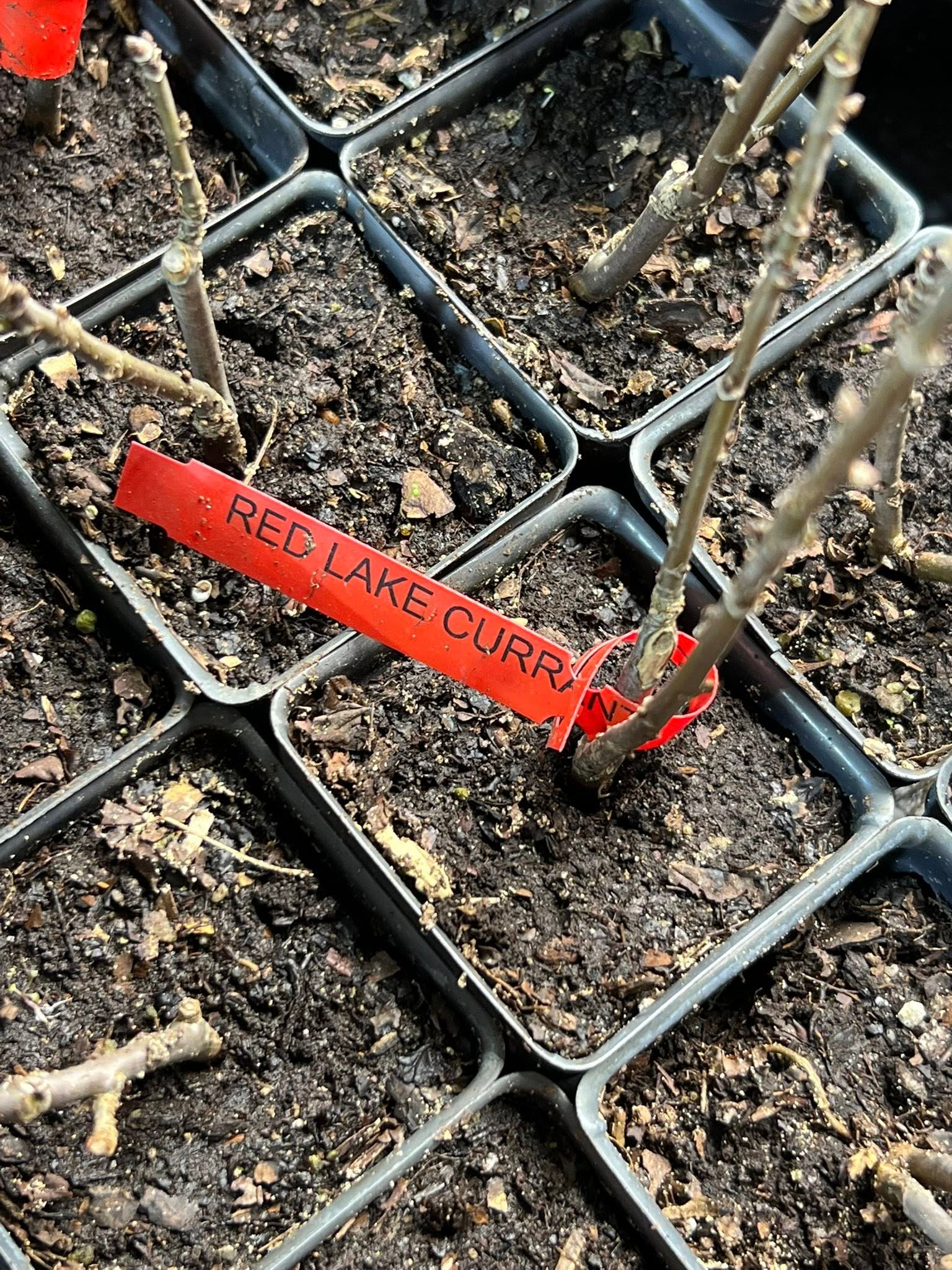

Description
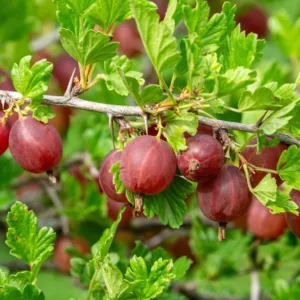
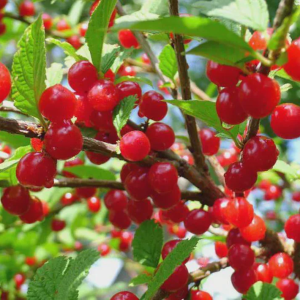
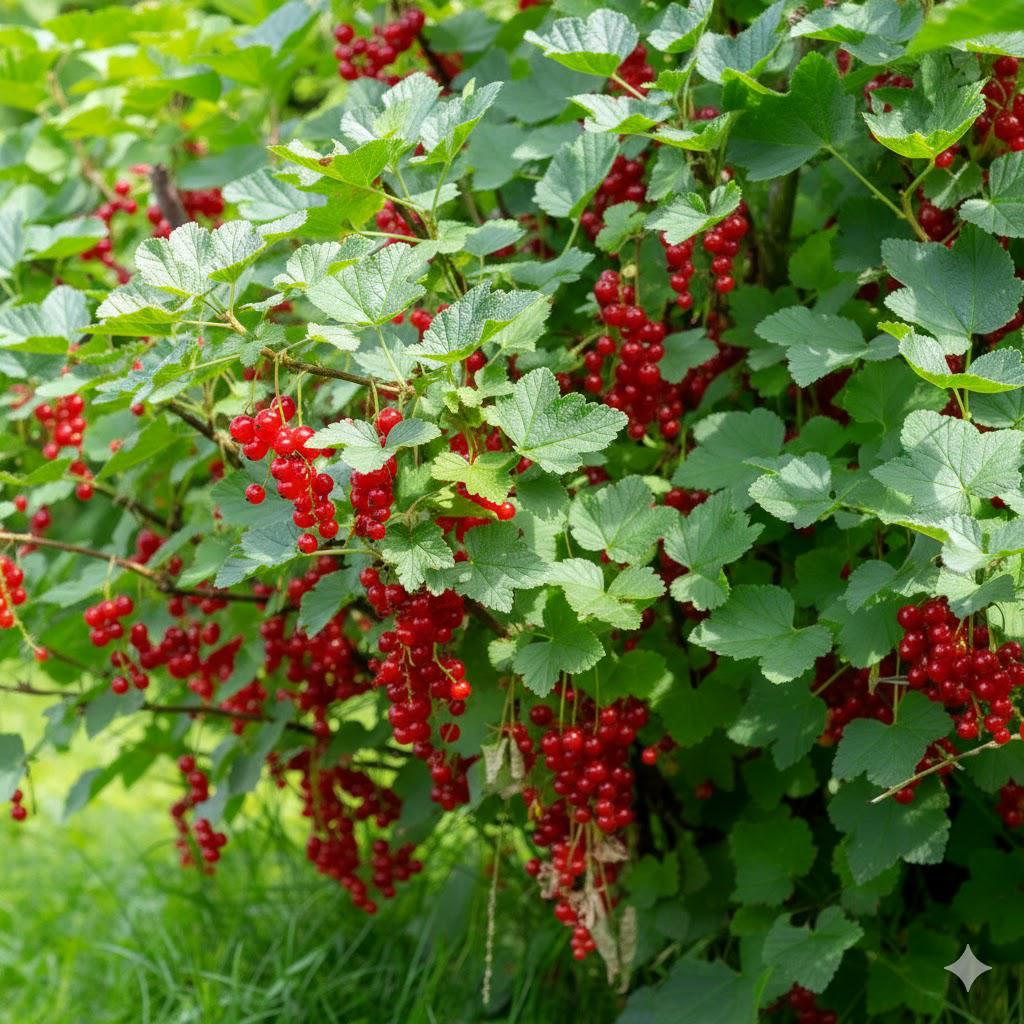
Red Lake is a classic red currant variety grown for heavy clusters of bright red berries and a sharp, tangy flavor that shines in jelly, jam, syrup, and baking. The shrub stays fairly compact and is very cold-hardy, making it a solid pick for northern climates.
Plant facts
- Type: Red currant (Ribes rubrum ‘Red Lake’)
- USDA zones: 3–7 (often succeeds into zone 8 with some afternoon shade and steady moisture)
- Mature height: about 3–5 ft
- Mature width: about 3–5 ft
- Growth habit: multi-stem shrub, upright to slightly spreading
- Pollination: generally self-fertile, but another red currant nearby can increase yield
Fruit + flavor
- Berry color: bright red
- Berry size: small to medium, borne in long clusters (easy to pick by the cluster)
- Flavor: tart-sweet, crisp, “classic red currant” bite
- Best uses: jelly, jam, syrup, juice, baking, freezing (can be eaten fresh if you like tart fruit)
Fruiting time
- Season: early to mid-summer in most climates
- Typical harvest window: often late June through July (varies by location and spring temps)
- How to harvest: pick clusters when berries are fully colored and the flavor has developed, then strip berries from the stems after picking if needed
Yield expectations (per plant)
- Early bearing: usually meaningful crops start around year 2–3
- Mature yield (good conditions): commonly about 6–10 lb per bush
- High-end potential: roughly 10–15 lb per bush with ideal sun, moisture, and pruning
Growing preferences
- Sun: full sun to partial shade (more shade helps in hotter summers)
- Soil: well-drained soil with lots of organic matter
- Moisture: consistent moisture improves berry size and reduces stress
- Spacing: about 4–5 ft between plants for airflow and easier harvest
Pruning notes
- Fruiting wood: best production comes from 2–3 year-old canes
- Simple routine: remove the oldest canes each year and keep a mix of young and mid-aged canes for steady crops
Quick local note
- Currant rules can vary in some areas, so if you have white pines nearby or you are unsure about local restrictions, it’s worth a quick local check before planting.