Description
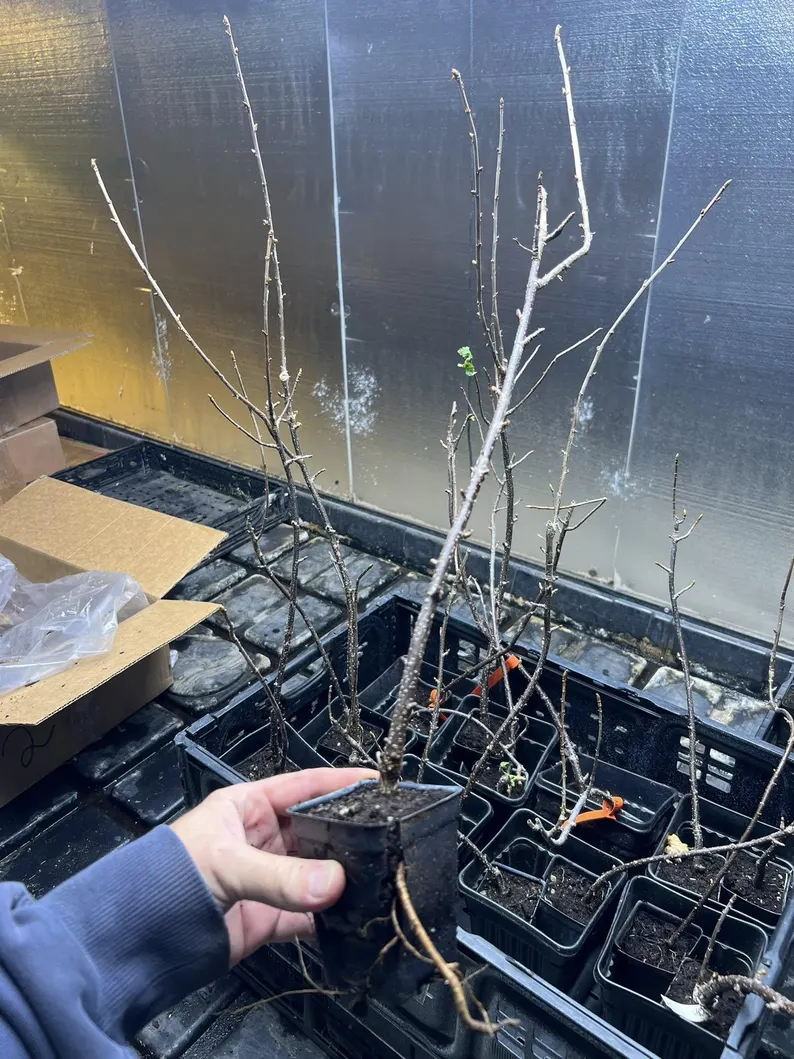
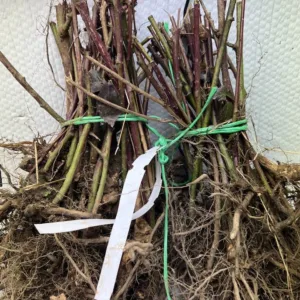
Please Note: Plant will be removed from pot for shipping.
Jostaberry – The Thornless Super-Hybrid
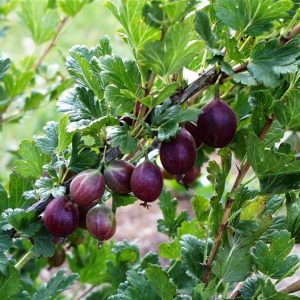
Experience the best of two berry worlds with the Jostaberry. A complex cross between a black currant and a gooseberry, this robust shrub combines the vigorous growth and rich flavor of the currant with the large fruit size of the gooseberry. Best of all, unlike its gooseberry parent, the Jostaberry is completely thornless, making harvesting painless and easy.
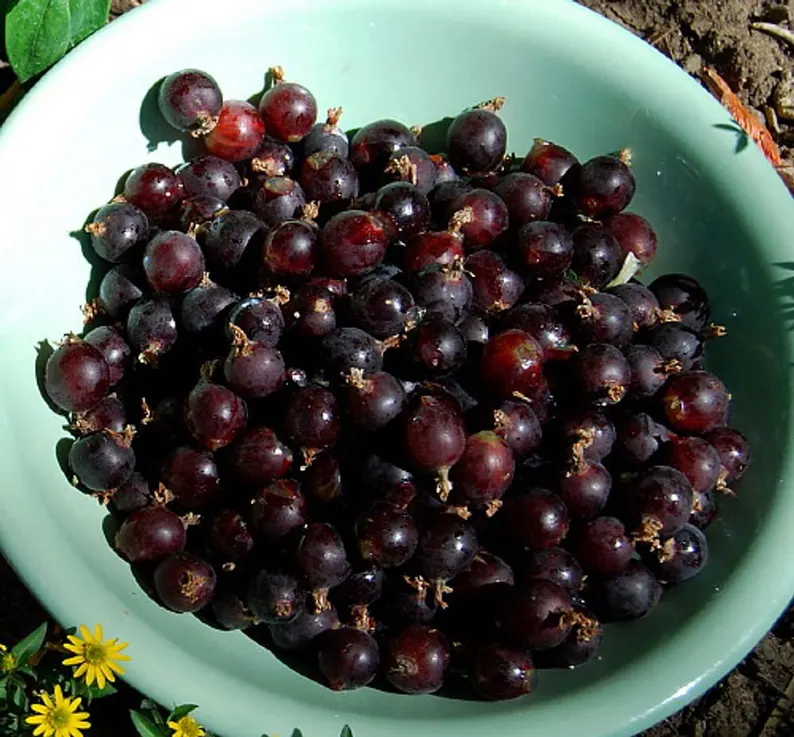
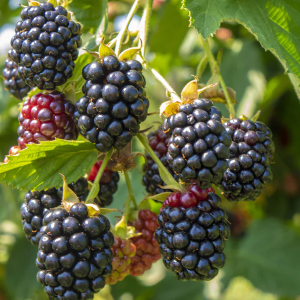
This is a fast-growing, long-lived shrub that is highly resistant to common berry diseases like powdery mildew and pine blister rust. It produces glossy, deep-purple fruit that is loaded with Vitamin C and antioxidants.
Flavor Profile & Uses
-
Taste: A unique tangy-sweet blend. The flavor starts with the tart kick of a gooseberry and finishes with the deep, musky sweetness of a black currant. The sweetness intensifies the longer the fruit stays on the bush.
-
Fruit Size: Large, round berries (larger than currants, slightly smaller than gooseberries).
-
Kitchen Use: Excellent for jams, jellies, pies, and fruit wines. When allowed to fully ripen to black, they are delicious eaten fresh.
Plant Characteristics
-
Hardiness Zones: 3–8 (Extremely cold hardy).
-
Growth Habit: Upright, multi-stemmed shrub. It does not require a trellis but benefits from spacing to allow airflow.
-
Mature Height: 4–6 feet tall and wide.
-
Sun Exposure: Full Sun to Partial Shade (Full sun yields the most fruit).
-
Pollination: Self-fruitful (Single plants will produce fruit, though planting multiple can increase yields).
Growing & Maintenance
Planting Your Bare Root Bush Soak the roots for a few hours before planting. Choose a location with protection from strong winter winds if you live in a very cold climate. Plant the bush slightly deeper than it grew in the nursery to encourage new shoots to emerge from the base.
Soil Requirements Jostaberries prefer cool, moisture-retentive, and well-drained soil rich in organic matter. They thrive in a soil pH between 6.0 and 7.0. Mulching around the base is highly recommended to keep the roots cool and moist.
Watering These plants have moderate water needs but dislike dry soil. Ensure consistent watering during the fruit-forming stage in early summer to prevent the berries from splitting or dropping prematurely.
Pruning Pruning is best done in late winter while the plant is dormant. Remove any broken or crossing branches to open up the center of the bush to sunlight. Jostaberries bear fruit on older wood (2–3 years old), so avoid pruning out all the older canes. Aim to keep a mix of new and old wood for a steady harvest.
Would you like me to create a comparison chart showing the differences between the Austin Dewberry and the Jostaberry for your customers?