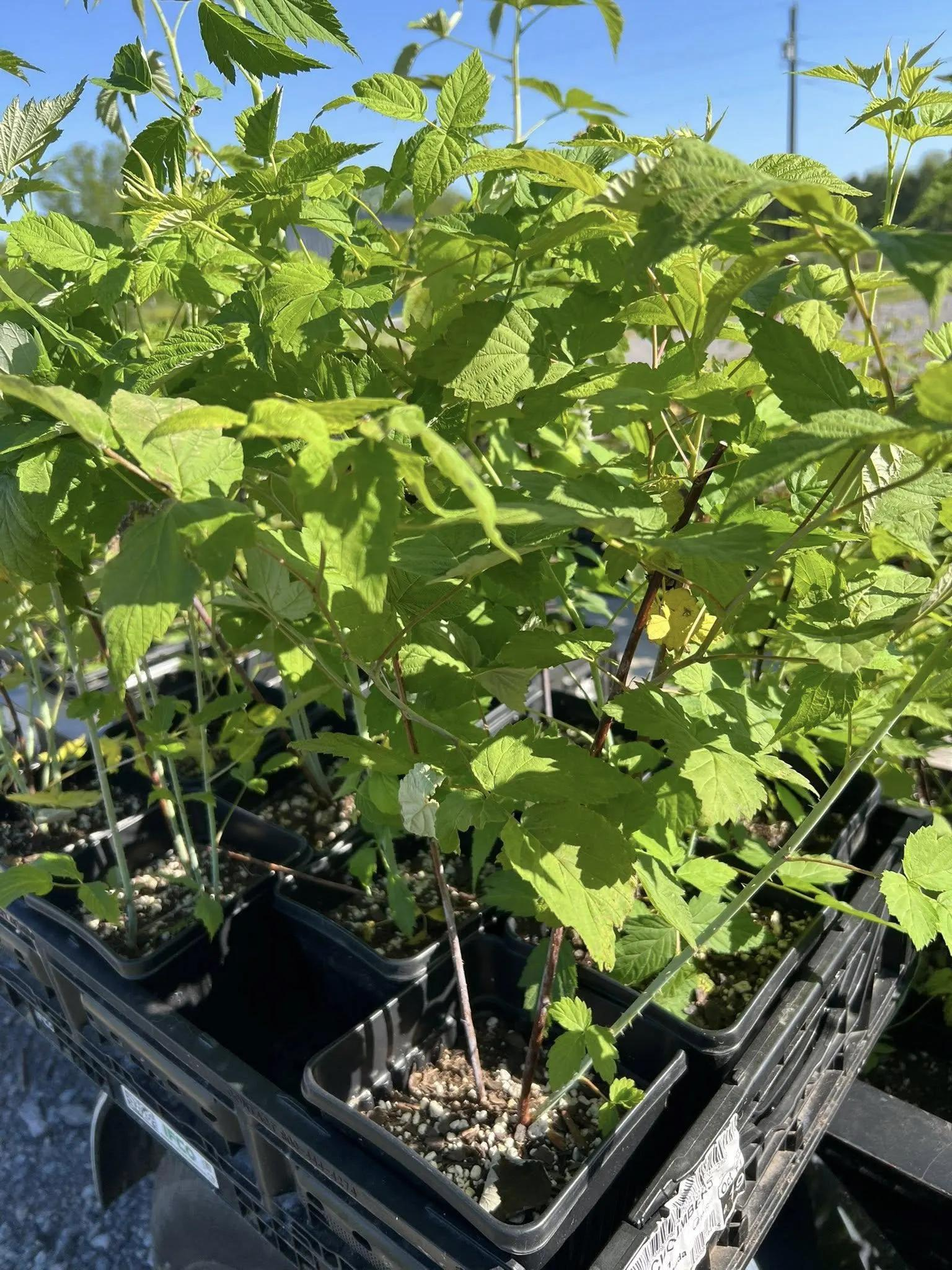

Planting Instructions

  • Choose the right spot

    • Full sun is best (at least 6–8 hours of direct sun per day).

    • Pick a well-drained area and avoid low, soggy spots to prevent root rot.

  • Prepare the soil

    • Loosen the soil 12–18 inches deep and about 2 feet wide.

    • Mix in compost or aged manure to improve drainage and fertility.

    • Aim for slightly acidic soil with a pH around 6.0–6.8 if possible.

  • Spacing your plants

    • Space plants about 2–3 feet apart in the row.

    • Leave 8–10 feet between rows if you are planting more than one row, so you have room to walk and prune.

  • Planting the pot

    • Water the potted plant well before planting.

    • Dig a hole just a bit wider and the same depth as the pot.

    • Gently remove the plant from the pot, loosen any circling roots, and set it in the hole at the same depth it was growing in the container.

    • Backfill with soil, firm it gently around the roots, and water thoroughly.

  • Watering after planting

    • Keep the soil evenly moist, not waterlogged, for the first few weeks while the plant establishes.

    • After that, water deeply during dry spells so the top 1–2 inches of soil does not fully dry out.

  • Mulching

    • Add a 2–3 inch layer of mulch (wood chips, straw, or shredded leaves) around the base.

    • Keep mulch a couple of inches away from the canes to avoid rotting the crown.

    • Mulch helps hold moisture, keeps weeds down, and protects roots.

  • Support and pruning (basic first-year care)

    • Plan for a simple trellis or wire support once the canes grow taller.

    • In the first year, focus on getting the plant established. Remove any weak or damaged growth, but do not over-prune.

    • After the first full season, you can begin regular pruning: remove old canes that have fruited and thin out crowded canes each late winter or early spring.

  • Fertilizing

    • In early spring, apply a balanced fertilizer or compost around the plants, keeping it a few inches away from the canes.

    • Avoid heavy nitrogen, which can cause excessive leafy growth and fewer berries.

Description

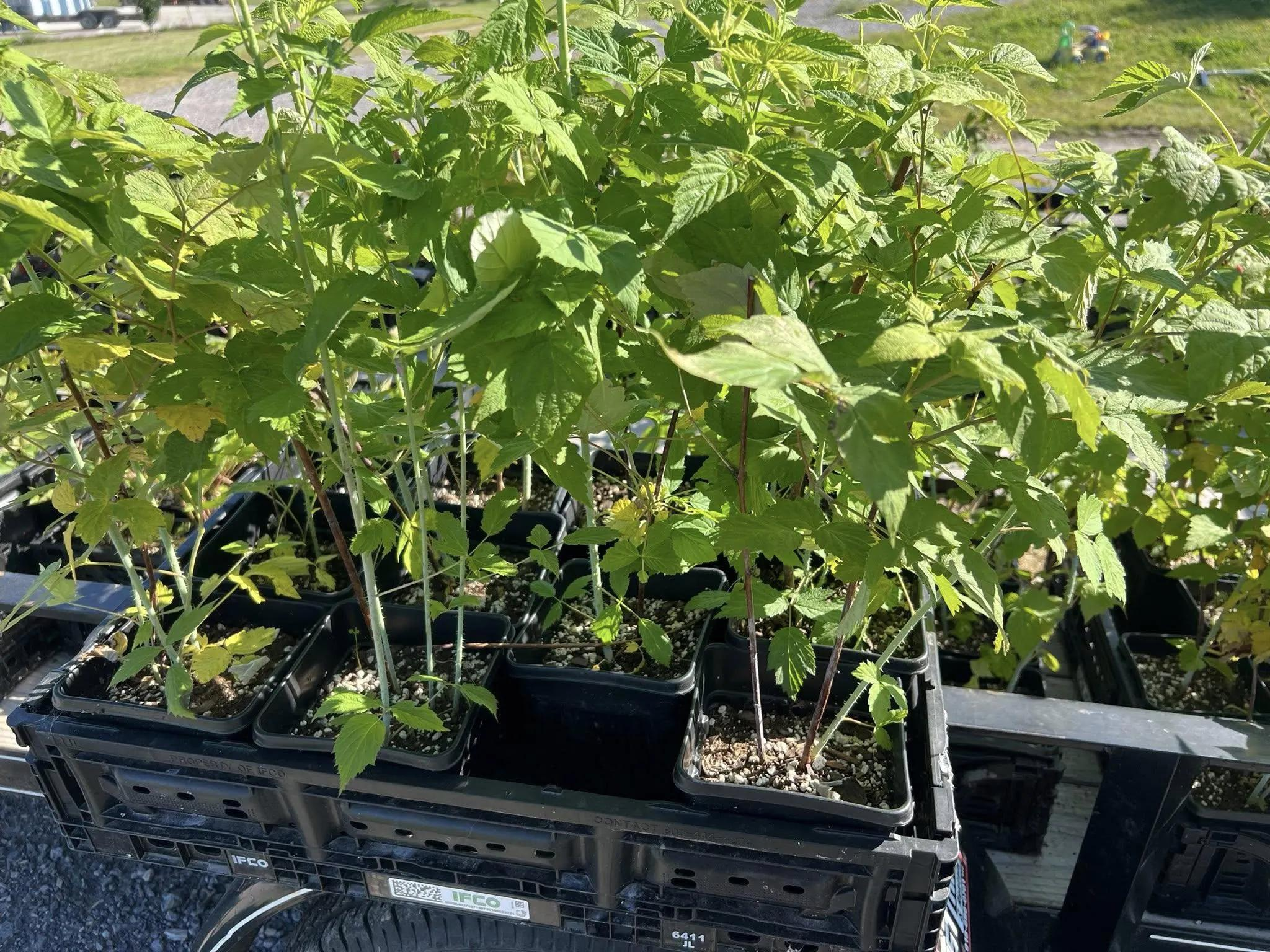
Please Note: Plant will be removed from pot for shipping and placed in plastic bag. 

Cumberland Black Raspberry – Plant Summary

Grow zone & climate:
Cumberland typically grows well in USDA Zones 5 to 8. It prefers areas with cold winters and mild to warm summers. In hotter parts of Zone 8, it will do best with some afternoon shade and consistent moisture so the canes and fruit do not stress or sunscald.

Plant size & growth habit:
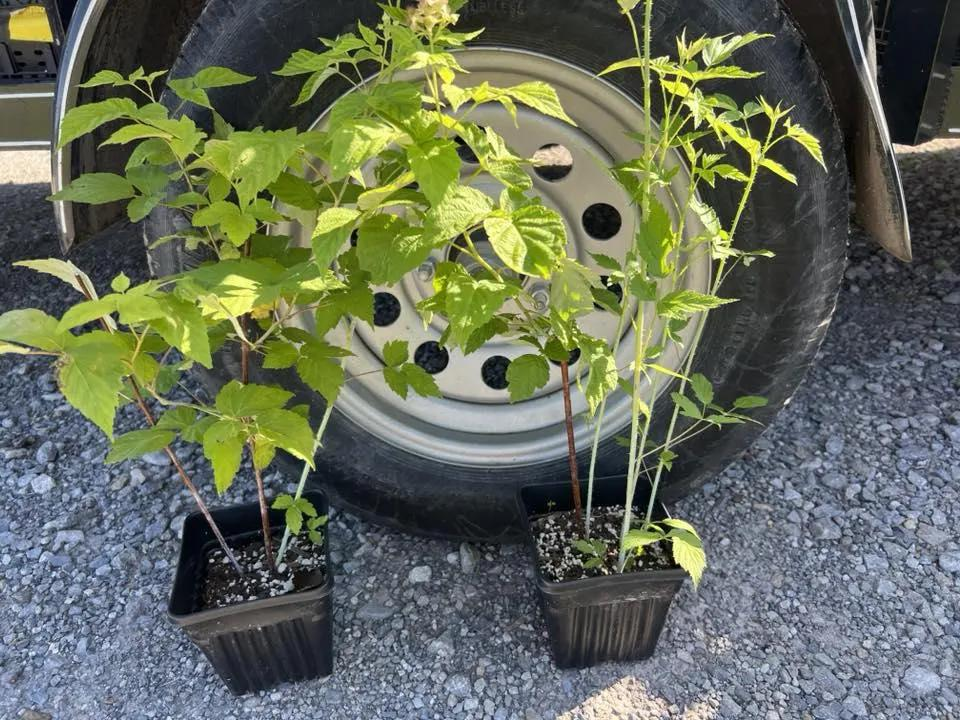
Cumberland is a vigorous, summer-bearing black raspberry. Plants send up upright to arching canes that usually reach 4 to 6 feet tall, sometimes longer if not pruned. Canes emerge from the crown as primocanes (first-year canes), grow all season, then become floricanes (second-year canes) that carry fruit the following year. It tends to form a dense hedge over time if not thinned, so annual pruning and training are important.

Canes & thorns:
The canes are sturdy, often bluish to purplish with a waxy coating, and have sharp thorns along their length. They respond well to being tied to a trellis or wire, which helps keep the canes off the ground, improves airflow, and makes harvest easier.

Fruiting habit & timing:
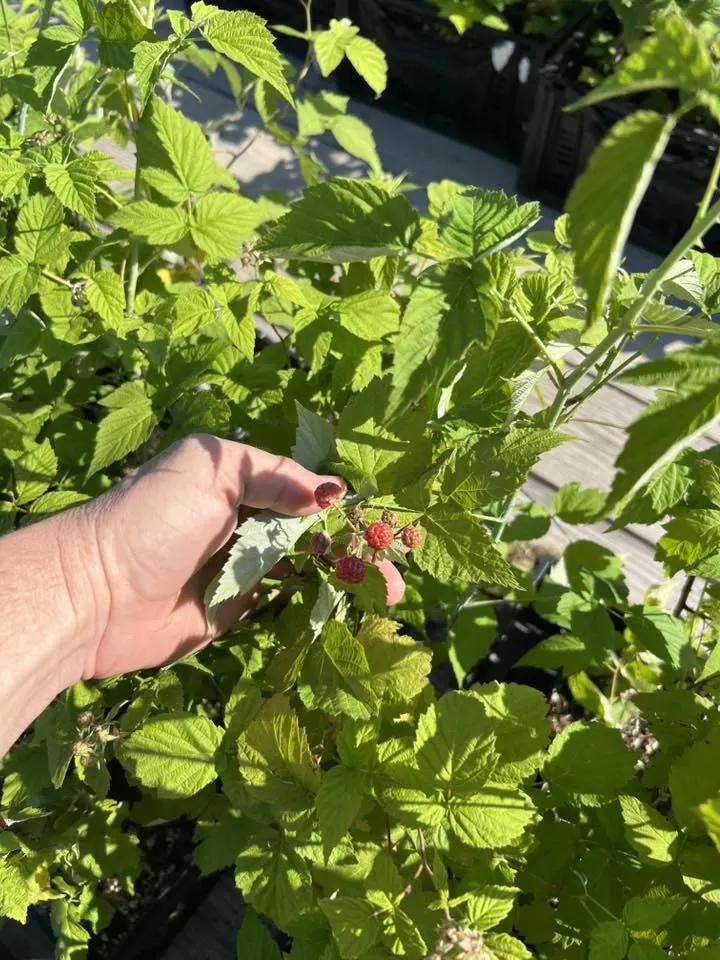
Cumberland is a summer-bearing (floricane) variety, not everbearing. You get one main crop per year from the second-year canes. In most climates, harvest runs from early to mid-summer (often June into early July, depending on location). Berries form in clusters along the upper portions of the canes.

Fruit characteristics:
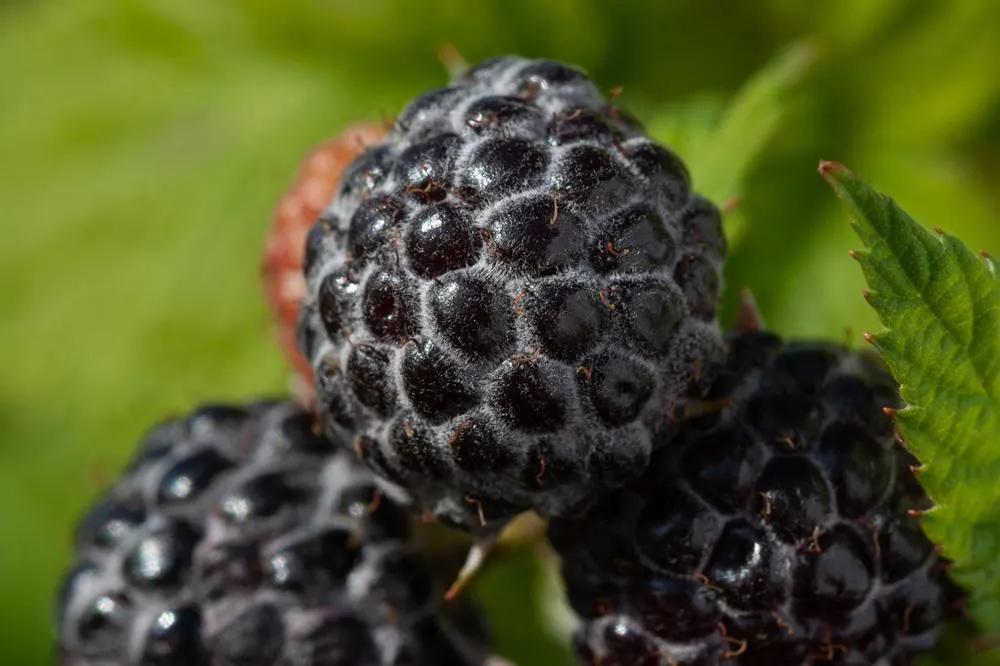
The berries are black when ripe, medium-sized, and detach cleanly from the core like other raspberries. Fruit has a rich, classic black raspberry flavor: sweet, aromatic, and slightly tangy, excellent for fresh eating, jam, jelly, pies, wine, and freezing. Berries are fairly firm and hold up better than some softer dessert types.

Soil & site preferences:
Cumberland likes well-drained, fertile soil with plenty of organic matter. A slightly acidic pH (around 6.0–6.8) is ideal. It needs full sun for best yields and flavor, though in very hot areas a bit of late-day shade can help. Avoid low, wet spots where cold air and water can sit, as that increases disease pressure and root problems.

Spacing & planting habit:
Plants are usually spaced 2–3 feet apart in the row, with 8–10 feet between rows if you are doing multiple rows. Cumberland spreads primarily by new canes from the crown and tip-layering, so it can slowly expand its patch over time if tips are allowed to touch the ground and root.

Pruning & training:
Good pruning is key with Cumberland:

  • Summer (tip pruning): When new primocanes reach about 30–36 inches, the tips are often cut off to encourage branching.

  • Late winter/early spring: Remove all old floricanes that fruited the previous summer, thin remaining canes to a manageable number per plant (often 4–6 strong canes), and shorten lateral branches to improve fruit size and make picking easier.

  • A two-wire trellis or similar support helps keep canes upright and organized.

Disease & hardiness notes:
Cumberland is generally cold hardy within its zone range and is considered a reliable, tough variety. As with most raspberries, it can be susceptible to common bramble diseases (like cane blights and root rots) if grown in poorly drained soil or crowded, humid conditions. Good spacing, air circulation, and crop rotation away from old bramble ground help keep it healthy.

Customer Reviews

No reviews yet.