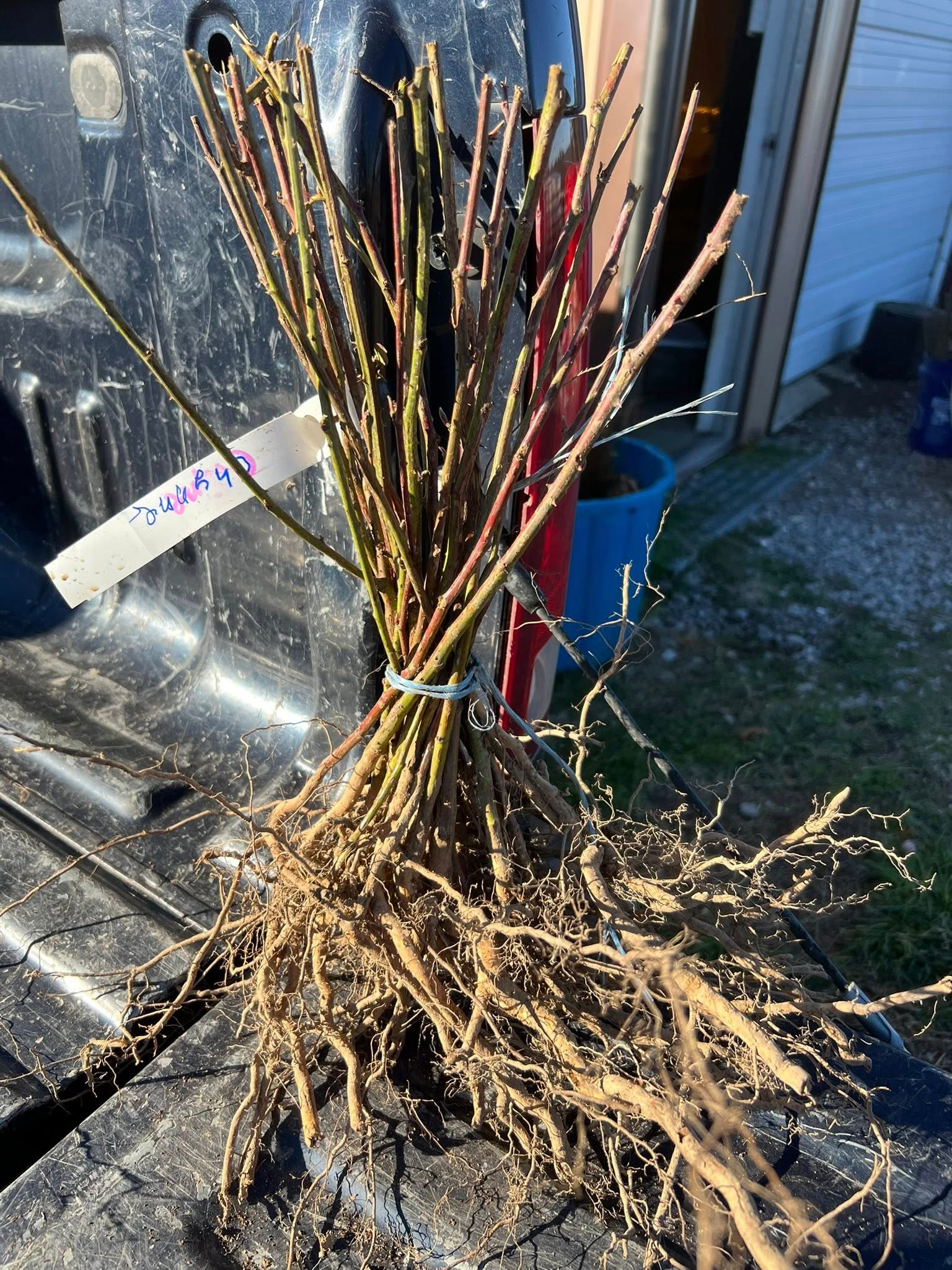
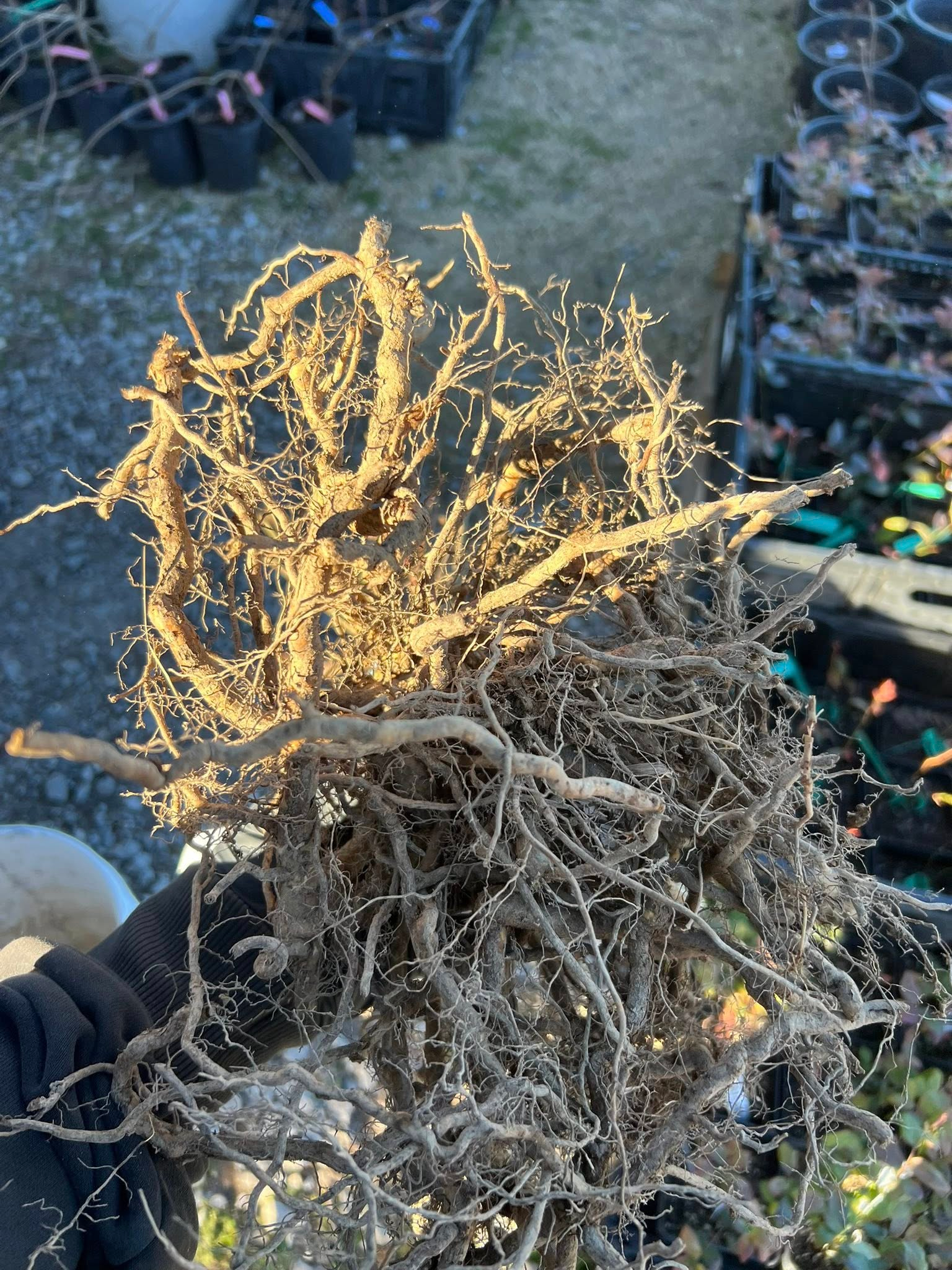
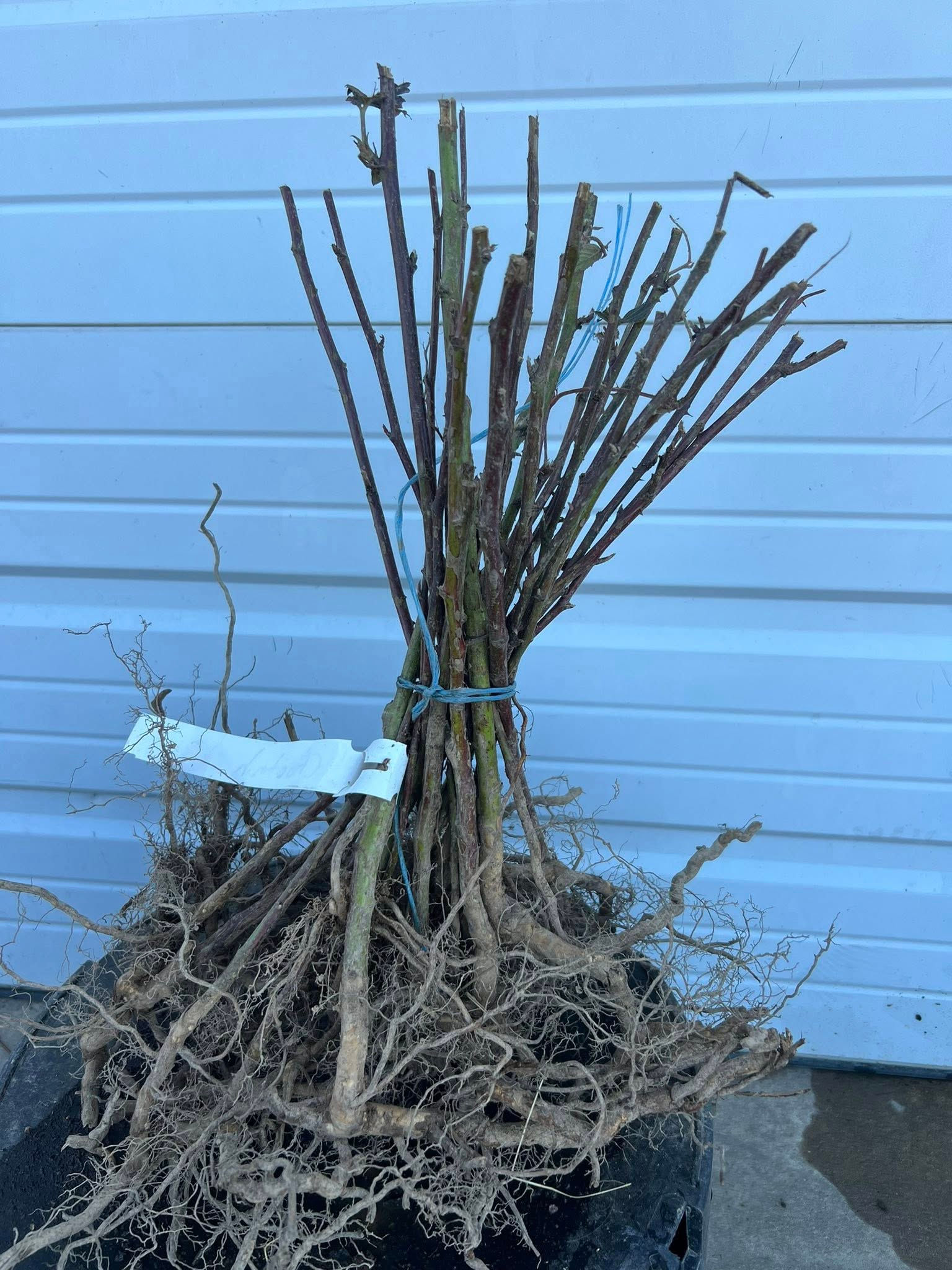

Description
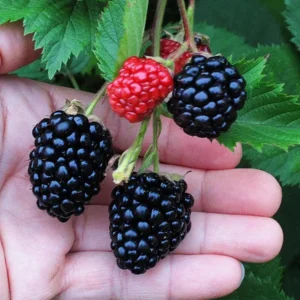
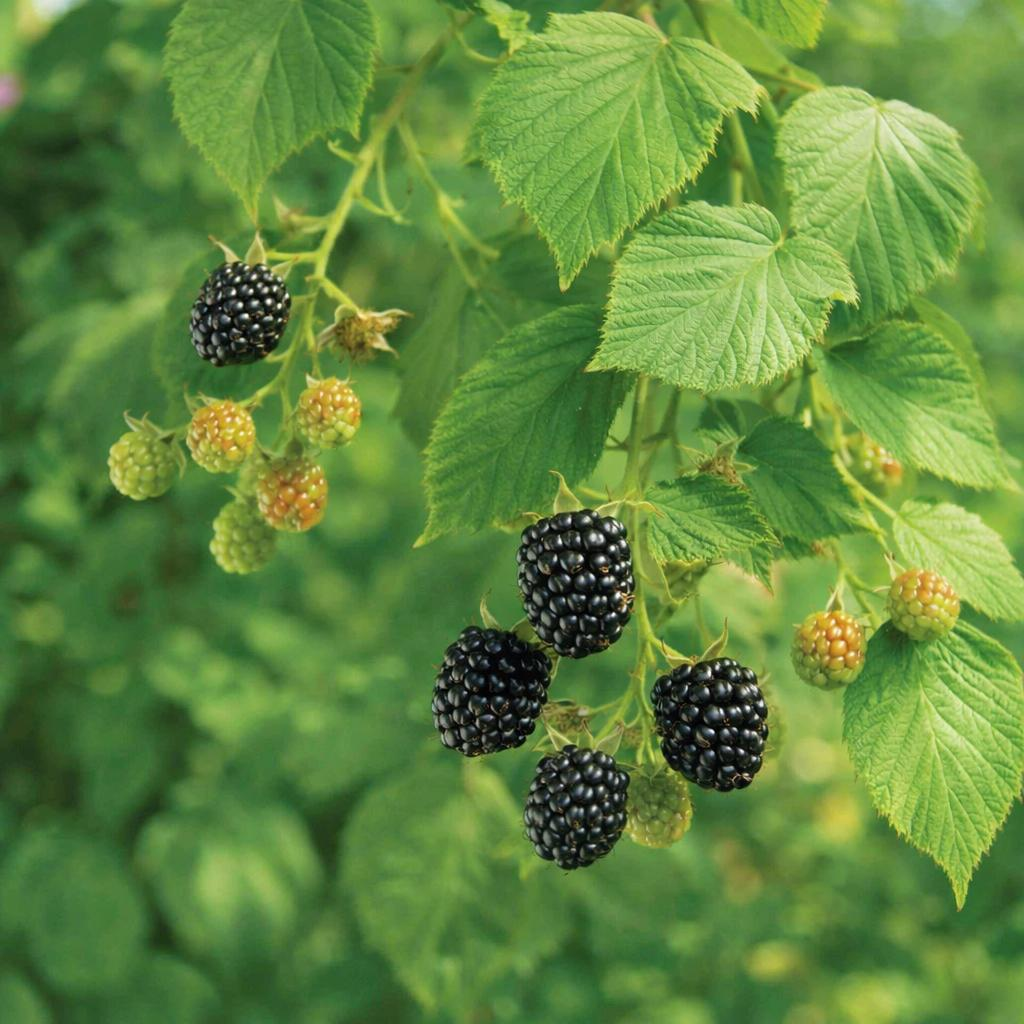
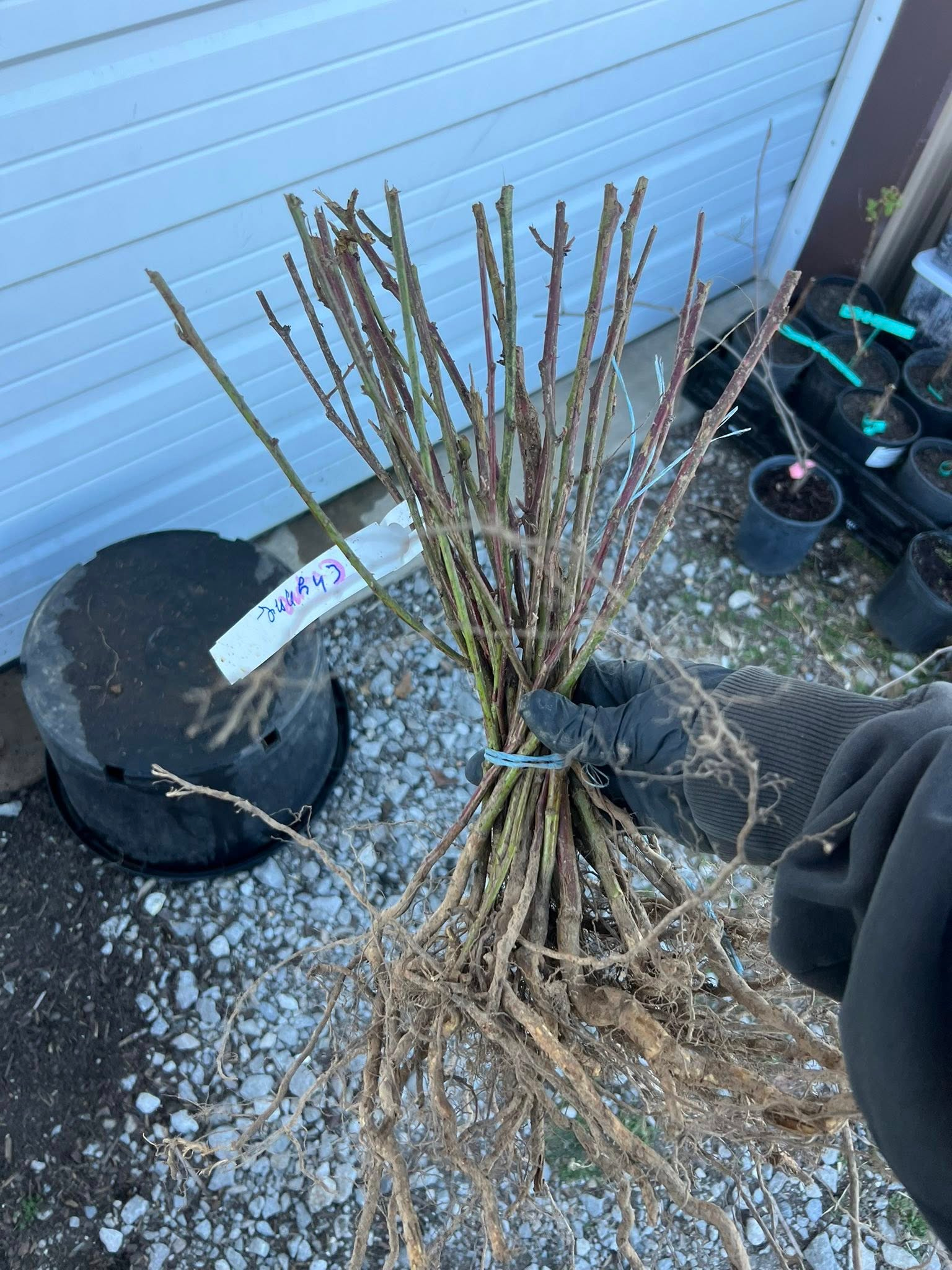
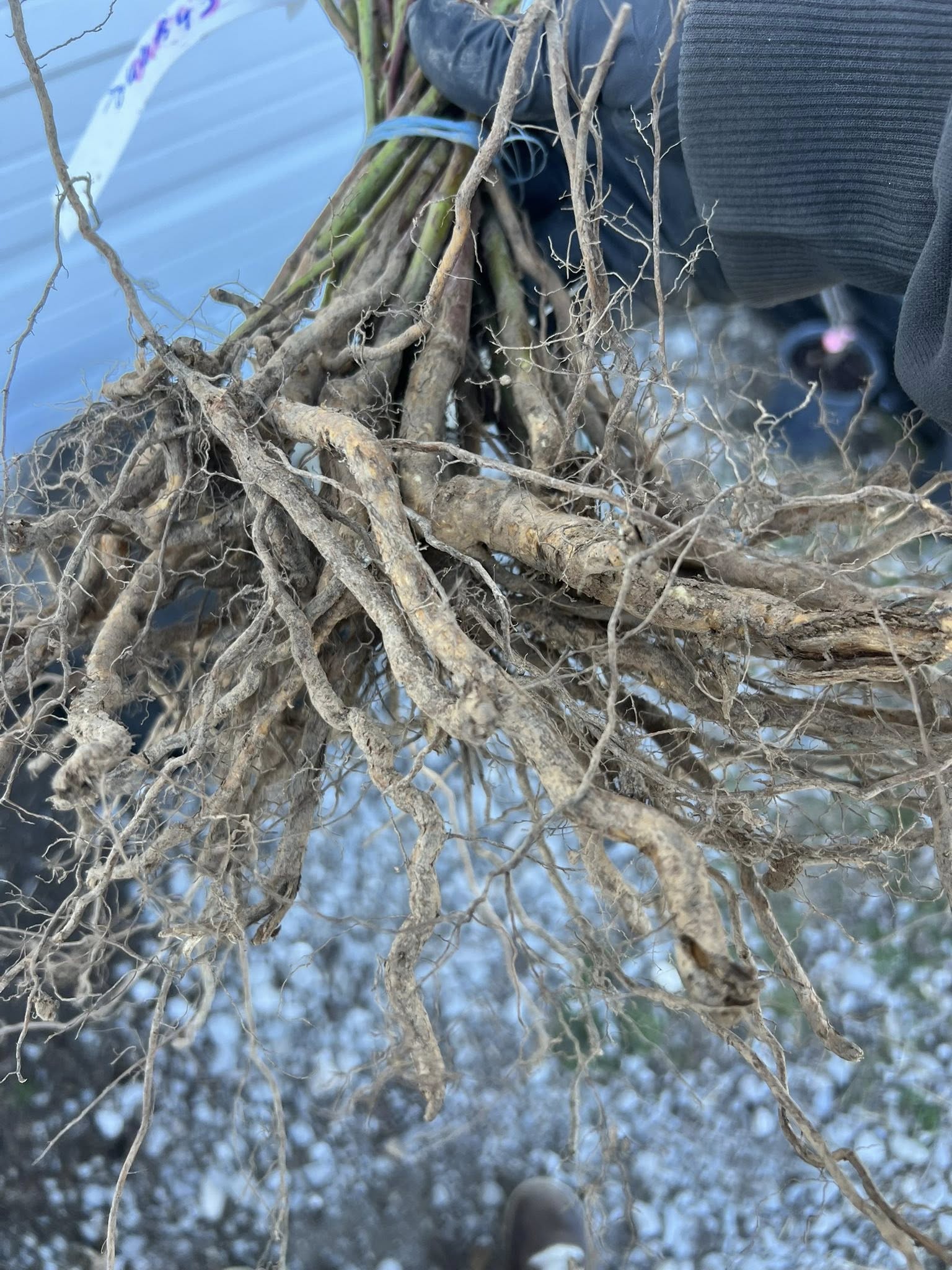
Cheyenne blackberry (Rubus fruticosus) is a thorny, upright blackberry variety that’s known for reliable production, good flavor, and strong performance in a wide range of backyards. It’s a solid pick if you want a traditional blackberry patch that comes back every year and fills out into a productive row once established.
Grow zone: USDA Zones 5–9 (often grown in 4 with winter protection)
Growth habit: Upright, thorny canes that benefit from support or light trellising
Mature size: Typically about 4–6 ft tall, with a similar spread depending on pruning and spacing
Environment preferences
- Sun: Full sun is best (6–8+ hours daily) for the strongest cane growth and sweetest fruit
- Soil: Well-drained soil is key, blackberry roots dislike staying soggy
- Soil pH: Slightly acidic to near neutral, about 5.5–7.0
- Water: Regular moisture helps size up berries, especially during flowering and fruit fill, but avoid waterlogged ground
- Heat tolerance: Handles summer heat well when watered consistently
- Cold tolerance: Fairly hardy, but colder-zone growers may want to mulch heavily in winter
Fruiting habits
- Type: Floricane-fruiting (fruits on second-year canes)
- Harvest season: Early to mid-summer in most climates
- Timeline: Year 1 grows primocanes (no fruit), year 2 those canes become floricanes and fruit, then they die back after harvest
- Productivity: Generally heavy bearing once mature, especially with good pruning and sun
Fruit characteristics
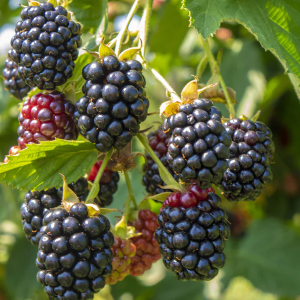
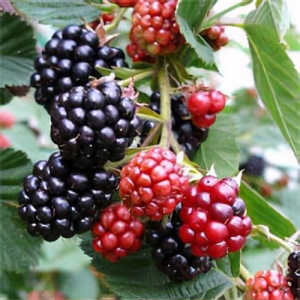
- Berry size: Medium to large
- Flavor: Classic sweet-tart blackberry taste, usually best when fully black and slightly soft
- Texture: Juicy, with good eating quality for fresh snacking
- Use: Great for fresh eating, jam, syrup, baking, and freezing
- Ripening note: Berries sweeten most at full ripeness, pick when deep black and they release easily
Basic care notes
- Space plants about 3–5 ft apart (wider spacing makes harvesting easier on thorny canes)
- Add mulch to conserve moisture and reduce weeds
- Prune out spent floricanes right after harvest (they won’t fruit again)
- Tip-prune or shorten primocanes to encourage branching and a sturdier plant
- Because it’s thorny, gloves make harvesting a lot more pleasant