Dewberry Planting Instructions
Choose the right spot
- Full sun is best (6 to 8+ hours).
- Pick well-drained soil. Avoid low spots that stay wet.
- Plan for a trailing plant that wants to spread, so give it room or plan to trellis it.
Prep the bed
- Clear weeds and grass in at least a 2 to 3 foot circle (or a full row strip).
- Loosen soil 10 to 12 inches deep.
- If your soil is heavy clay, plant on a slight mound or raised row to improve drainage.
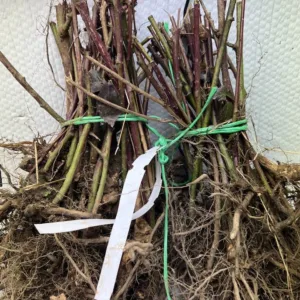
Soak the bare roots
- Soak roots in a bucket of water for 1 to 2 hours before planting.
- Do not soak overnight.
Trim and reduce stress
- Clip off any broken root tips.
- If there is a long cane attached, cut it back to about 6 to 10 inches.
Dig the hole and set depth
- Dig a hole wide enough to spread roots without bending them (usually 8 to 12 inches wide).
- Make a small mound of soil in the bottom and drape roots over it.
- Set the crown at soil level (same depth it was grown at). Do not bury it deep.
Backfill correctly
- Refill with the native soil you dug out.
- Firm gently with your hands as you go to remove big air pockets, but do not pack it hard.
Water in thoroughly
- Water slowly until the soil is soaked several inches deep.
- Water again 2 to 3 days later if it is dry.
Mulch
- Apply 2 to 3 inches of mulch to hold moisture and suppress weeds.
- Keep mulch 2 inches away from the crown to prevent rot.
Spacing and support
- Space plants about 3 to 5 feet apart.
- Dewberries are trailing, so the “best” setup is usually a low trellis (posts with 2 wires, roughly 18 to 24 inches and 36 to 42 inches high) to keep canes off the ground and fruit cleaner.
First-month care
- Keep soil evenly moist, not soggy.
- Water when the top 1 to 2 inches of soil are dry.
First-year pruning and training
- Let new canes grow and start training them along the wire.
- If canes get long and floppy, lightly tip the ends to encourage branching (do not overdo it in year one).
Next-year pruning rule
- It fruits on second-year canes. After harvest, cut the canes that fruited down to the ground, and keep the new canes for next season.
Description
Austin Dewberry (Bare Root)
The “Early Bird” of the Berry Patch
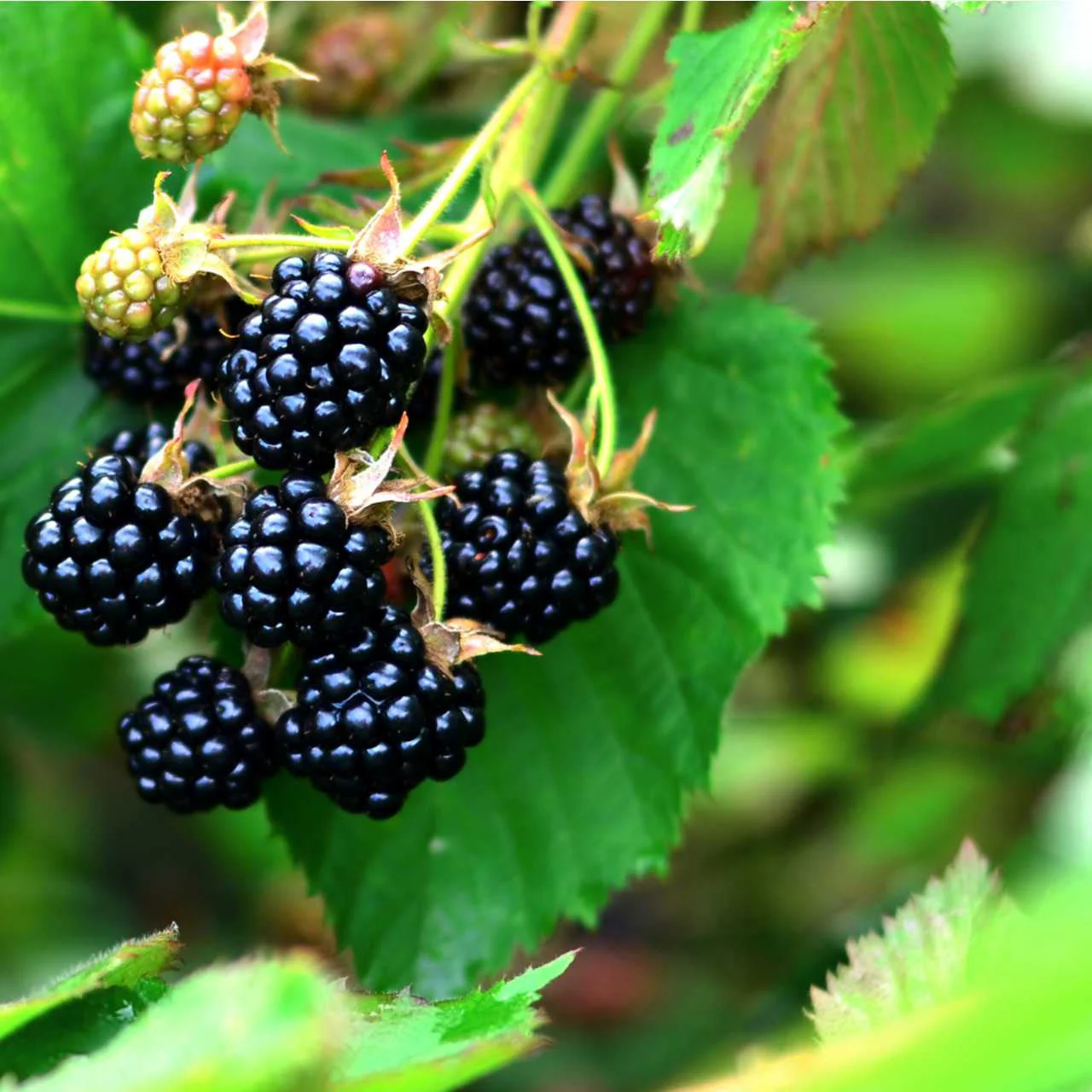
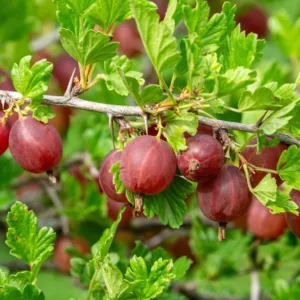
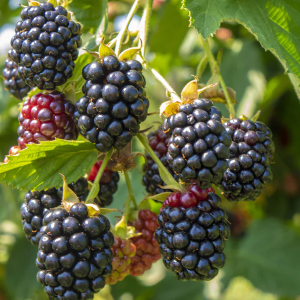
Get a head start on your summer harvest with the Austin Dewberry. Known for ripening 7 to 10 days earlier than standard blackberries, this vigorous trailing vine produces an abundance of large, deep purple-black fruit with a flavor profile that balances sweetness with a classic tart kick.
Often described as a “trailing blackberry,” the Austin Dewberry offers the best of both worlds: the rich, complex flavor of a wild berry with the productivity of a cultivated variety. It is an excellent choice for home gardeners looking for a heat-tolerant, self-fertile fruit crop that thrives in warmer climates.
Flavor Profile & Uses
-
Taste: Sweet, juicy, and slightly tart.
-
Fruit Size: Large, glossy, dark purple to black berries.
-
Kitchen Use: Perfect for fresh eating right off the vine, or for use in cobblers, pies, jams, and jellies.
Plant Characteristics
-
Hardiness Zones: 6–9 (Highly heat tolerant; requires protection in zones colder than 6).
-
Growth Habit: Trailing vine. Unlike upright blackberries, the Austin Dewberry grows along the ground and requires a trellis, fence, or wire support to keep fruit clean and easy to pick.
-
Mature Height: Vines can trail 4–8 feet long; plant height depends on trellising.
-
Sun Exposure: Full Sun (preferred for maximum fruit production) to Partial Shade.
-
Pollination: Self-fruitful (you only need one plant to get fruit).
Growing & Maintenance
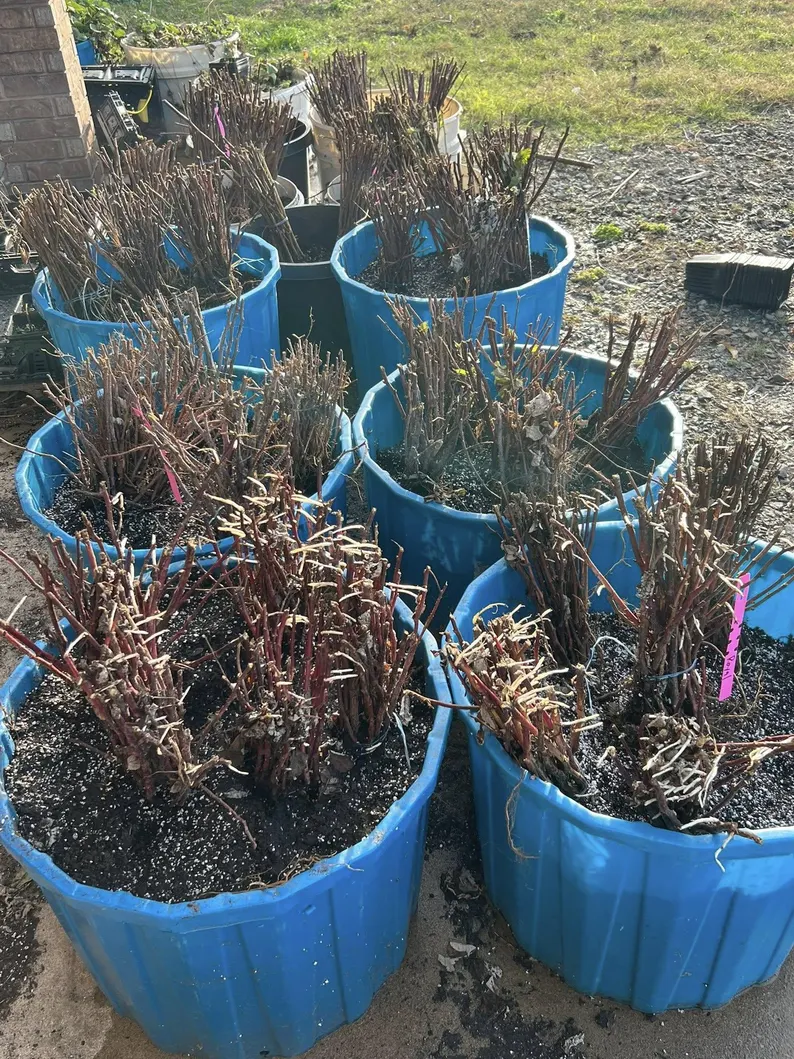
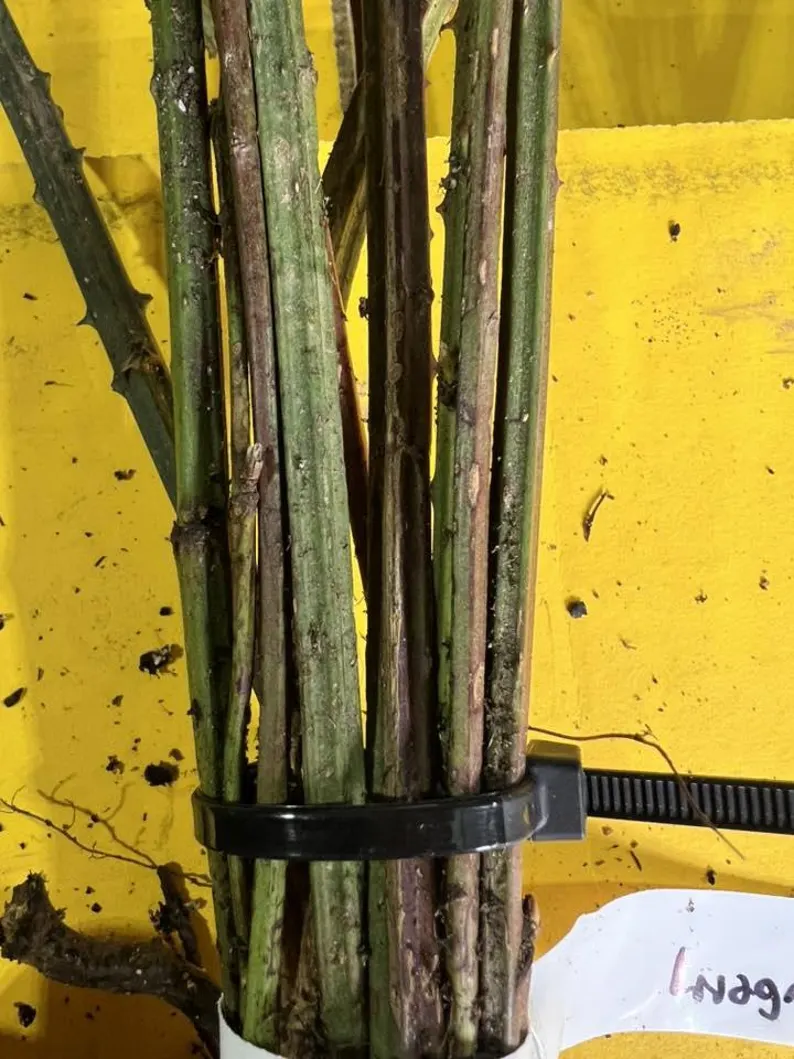
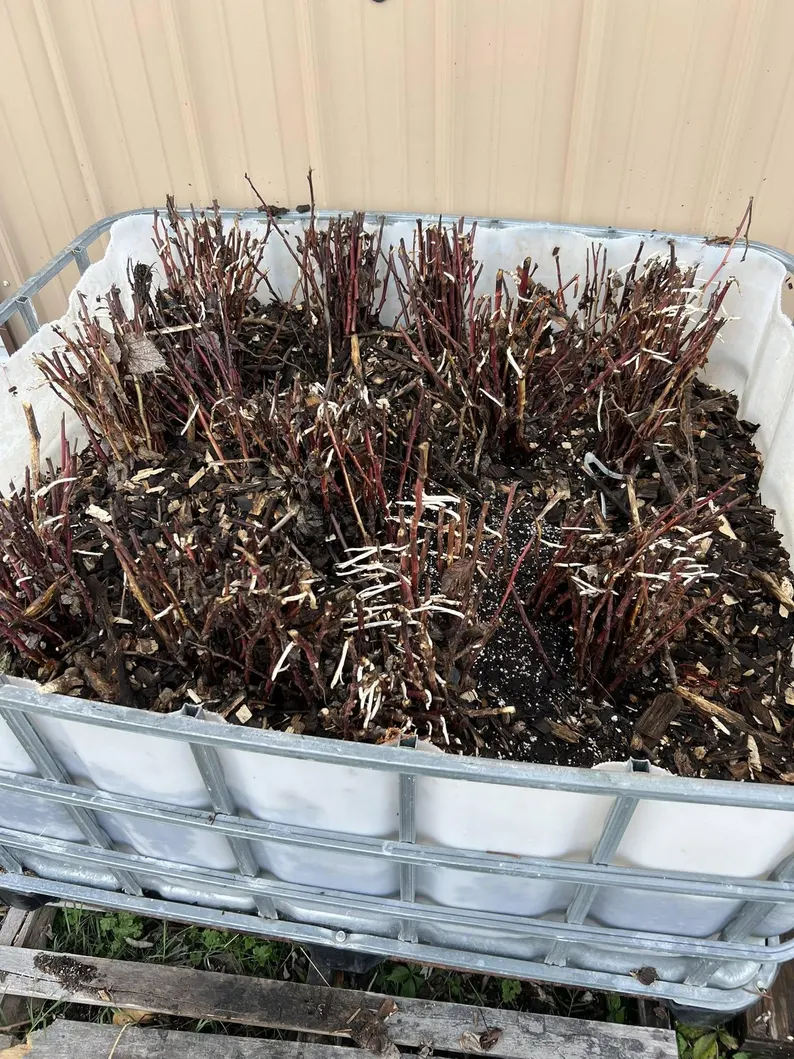
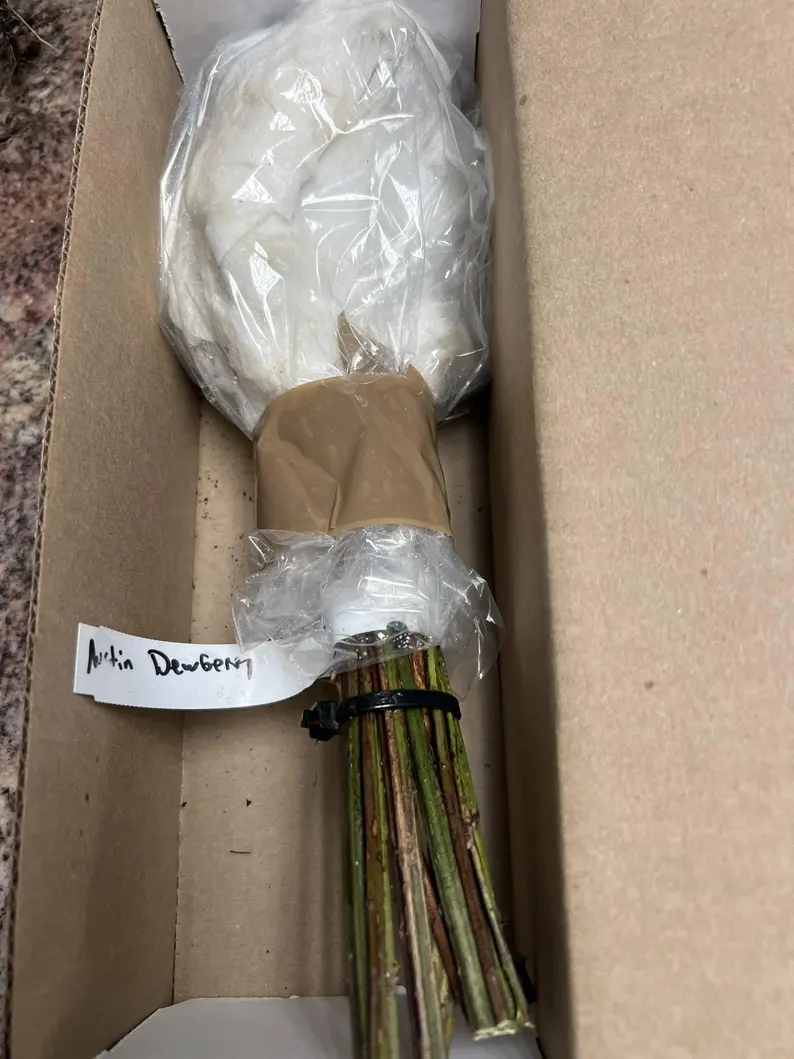
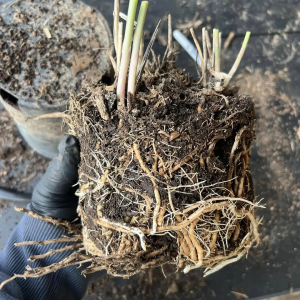
Planting Your Bare Root Bush Upon arrival, soak the roots of your bare root plant in water for 1–2 hours before planting to rehydrate them. Dig a hole wide enough to spread the roots out comfortably without bending them. Plant the crown (where roots meet the stem) just at the soil surface.
Soil Requirements This variety is adaptable but performs best in well-drained, sandy loam soil with a slightly acidic to neutral pH (6.0–7.0). If you have heavy clay soil, amend it with organic matter to improve drainage.
Watering Keep the soil consistently moist but not waterlogged, especially during the first growing season as the root system establishes. Once established, Austin Dewberries have moderate drought tolerance, though regular watering during fruit development ensures larger berries.
Pruning & Trellising Because this is a trailing variety, support is essential. Train the new canes up a trellis or along a fence wire. After harvest, prune out the old canes that just produced fruit (floricanes) to the ground, leaving the new green canes (primocanes) to produce next year’s crop.
Would you like me to write a short “Frequently Asked Questions” section to include on the product page as well?







Maureen (Etsy.com) –
Beautiful and healthy well rooted
Meagan –
Plants arrived in great condition
Teresa (Etsy.com) –
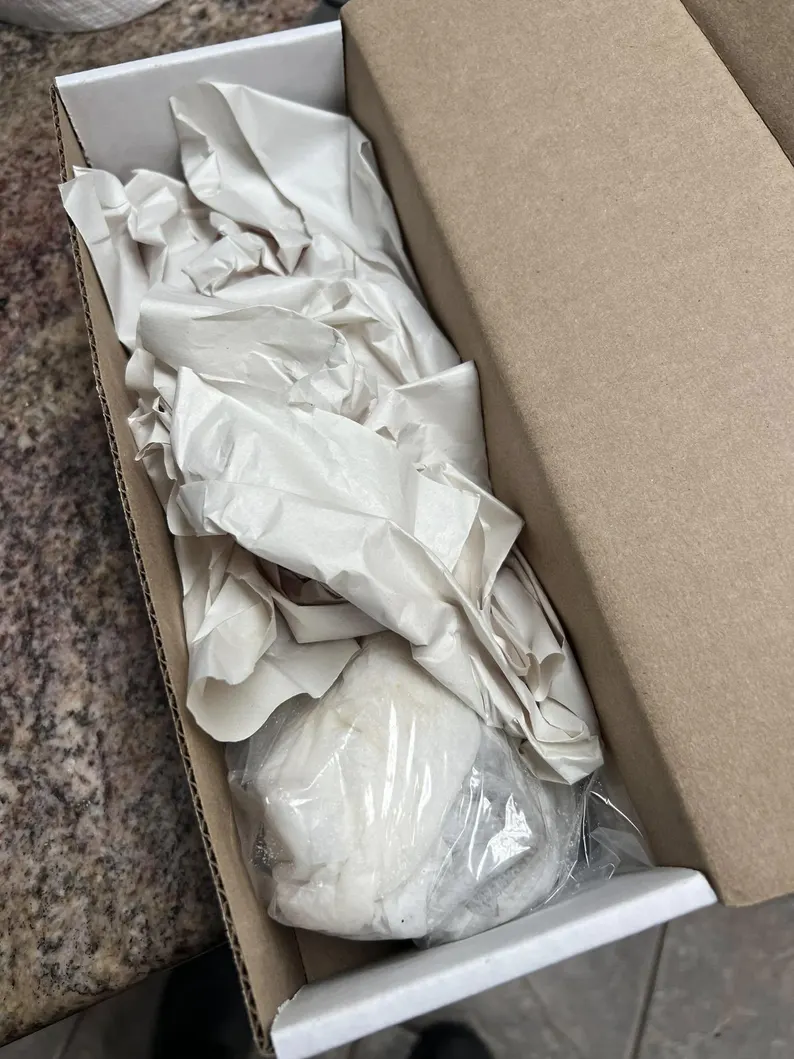
Looking forward to seeing this shrub grow and develop. Love dewberries! Arrived well-packaged in great condition.
atxangel (Etsy.com) –
Thank you for the quick and great service!
Kelly (Etsy.com) –
This item was a good size. Bare root bundle that you soak to wake up before planting. I didn’t have luck with mine staying alive, but the plants were healthy.