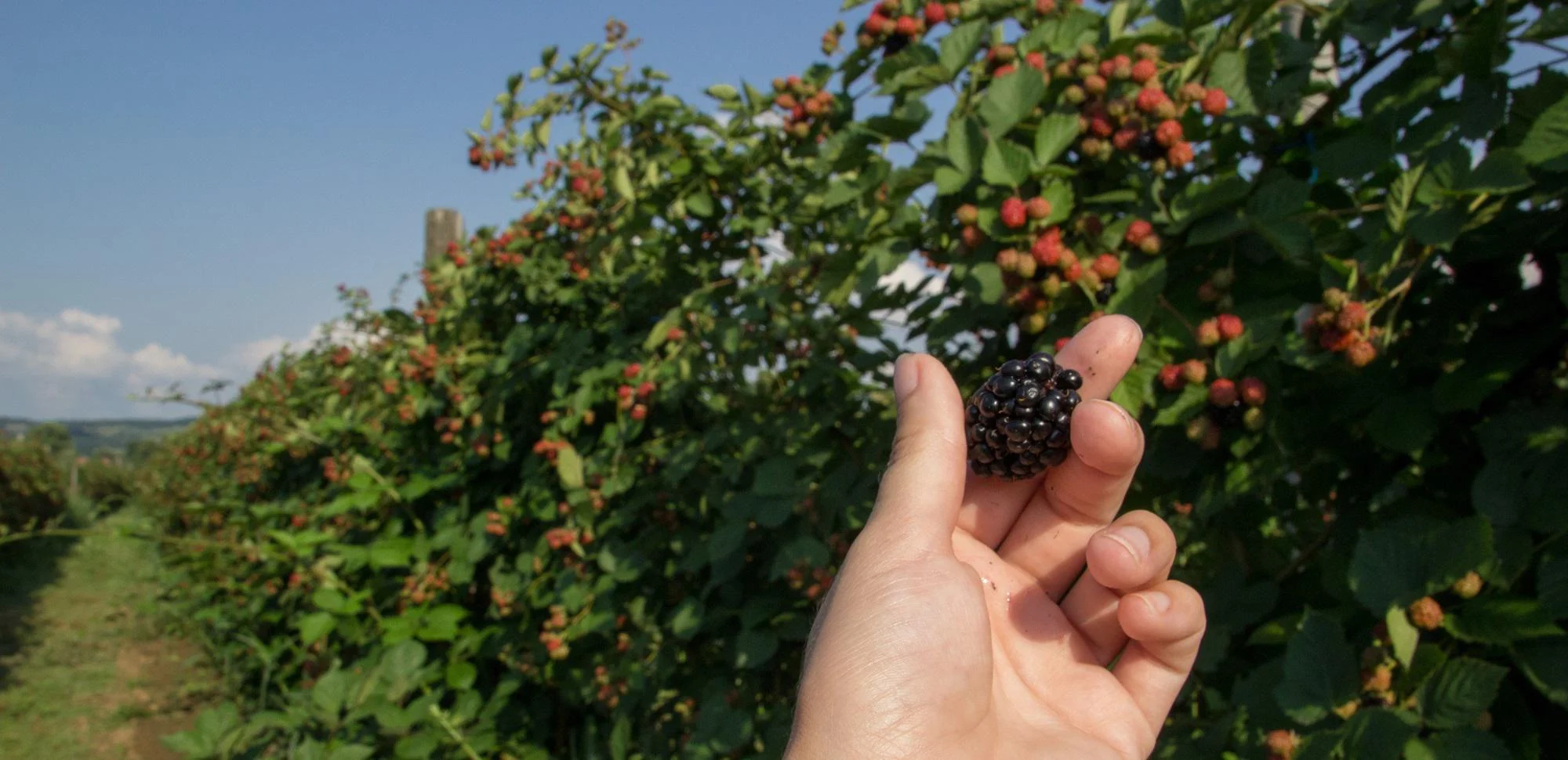
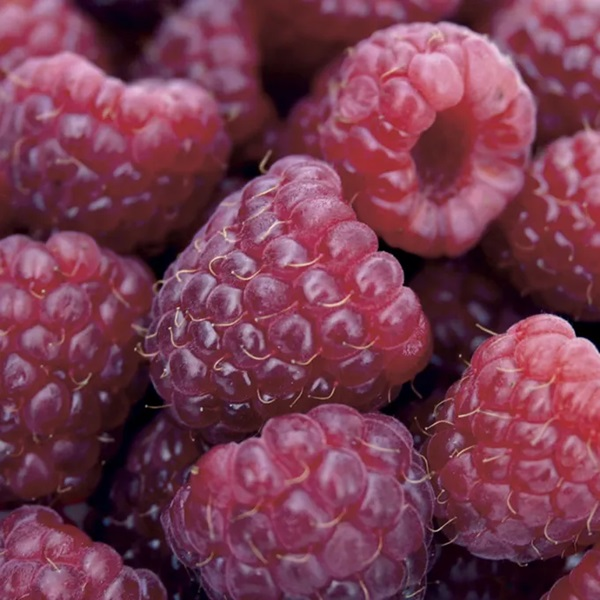
What exactly are purple raspberries?
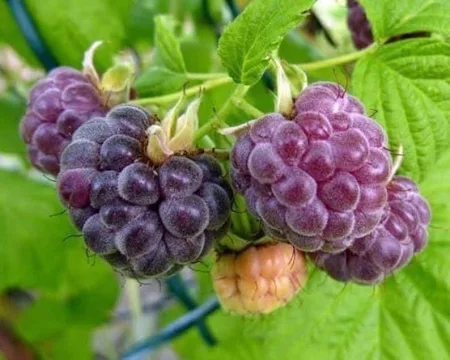
Purple raspberries are generally a hybrid between red and black raspberries, and they tend to land right between the two in both flavor and growth habit.
From a care and training standpoint, purple raspberries are usually handled more like black raspberries than like typical red raspberries, especially when it comes to training and pruning.
One practical difference you can plan around is spread. Red and yellow raspberries commonly push up new canes from buds on the roots and can “walk” outward over time, while black and purple types generally do not spread the same way.
Quick traits to know before choosing a variety
- Cane life cycle: Raspberry canes are biennial. First-year canes are primocanes, second-year canes are floricanes, and floricanes die after fruiting.
- Seasonality: Many common purple cultivars are late-season summer bearers.
- Spacing note (important): Extension guidance commonly recommends not planting black or purple raspberries near red raspberries because reds can carry latent virus infections that may spread to black or purple types.
Which variety should you choose?
If you already know what you want to do with the fruit (fresh eating vs baking vs preserves) and what kind of planting space you have (row vs small bed vs container), picking a purple raspberry gets much easier. Here is a fast way to choose using the same varieties in your comparison table.
Pick based on your main goal
- Fresh eating, sweet and mild: Royalty
- Pies and baking, tart and tangy fruit: Brandywine
- Jams and jellies, classic “processing” direction: Sodus
- Easy picking (thornless): Glencoe
- Containers or you want very dark fruit color: Crimson Night
Two tie breakers that help people decide quickly
- Thorns vs thornless: If “no thorns” is non-negotiable, that alone can point you to Glencoe (your table lists it as thornless).
- Flavor changes with ripeness (Royalty): Royalty can be picked earlier when red for a more “red raspberry” direction, or left to darken for a more “black raspberry” direction.
Quick Shopping
Purple Raspberry Variety Comparison
| Variety | Best For | Flavor | Thorns? | Zone | Shop |
|---|---|---|---|---|---|
| Royalty | Fresh Eating | Sweet & Mild | Yes | 4-8 | FruitBushes.com |
| Brandywine | Pies & Baking | Tart & Tangy | Yes | 4-8 | TyTy Nursery |
| Sodus | Jams & Jellies | Tangy & Rich | Yes | 4-8 | Unavailable Online |
| Glencoe | Easy Picking | Intense & Sweet | No | 4-8 | BerriesUnlimited.com |
| Crimson Night | Containers / Dark Color | Sweet & Savory | Yes | 4-8 | Gurney’s |
Purple Raspberry Profiles:
-
- Royalty Raspberry – A vigorous, summer-bearing raspberry bush with sturdy, arching canes and good disease resistance, well suited for home gardens in cooler climates. The fruit is large, deep purple when fully ripe, very sweet with a mild, almost grape-like raspberry flavor that works well for fresh eating, jam, or freezing.
- Brandywine Raspberry – A robust and upright plant with strong, spreading canes that can reach substantial height and benefit from trellising, typically producing a heavy crop during mid-Summer. The berries are medium to large, dusky purple, and more tart than Royalty, offering rich, complex flavor that shines in jams, jellies, and wine.
- Glencoe Raspberry – This is my personal favorite of the bunch, it’s a compact thornless bush with semi-arching canes, good vigor, and a reasonable growth habit that fits well in smaller gardens or container plantings. Its fruit is small to medium, dark purple, and intensely flavored with a rich, sweet-tart profile ideal for fresh snacking and specialty desserts.
- Crimson Night Raspberry – A strongly upright, summer-bearing plant with sturdy canes and a somewhat compact habit, often noted for good productivity and attractive foliage in the row. The berries are firm, very dark red to nearly black, glossy, and strongly flavored, with a rich, sweet-tart taste that holds up well for fresh eating, freezing, and preserves.
- Sodus Raspberry – An older, vigorous cultivar with tall, somewhat sprawling canes that may require support and is primarily found in heritage or breeding collections rather than modern production fields. Its fruit is typically medium-sized and purple-toned, offering a classic, moderately tart raspberry flavor that is best used for processing into jams, jellies, and baked goods.